Some perennials ask for a lot. Catmint doesn’t. Put it in a sunny spot with decent drainage, give it a haircut in midsummer, and it blooms for weeks. That’s most of the job.
This guide covers catmint care the way we’d explain it across the counter at KD Nursery in Clarence, including where to plant it and when to cut it back. We also cover what deer and bees will do around it. It’s written for Western New York gardeners in Zone 6 who want color that holds up through our winters.
Why Catmint Thrives in Western New York Gardens
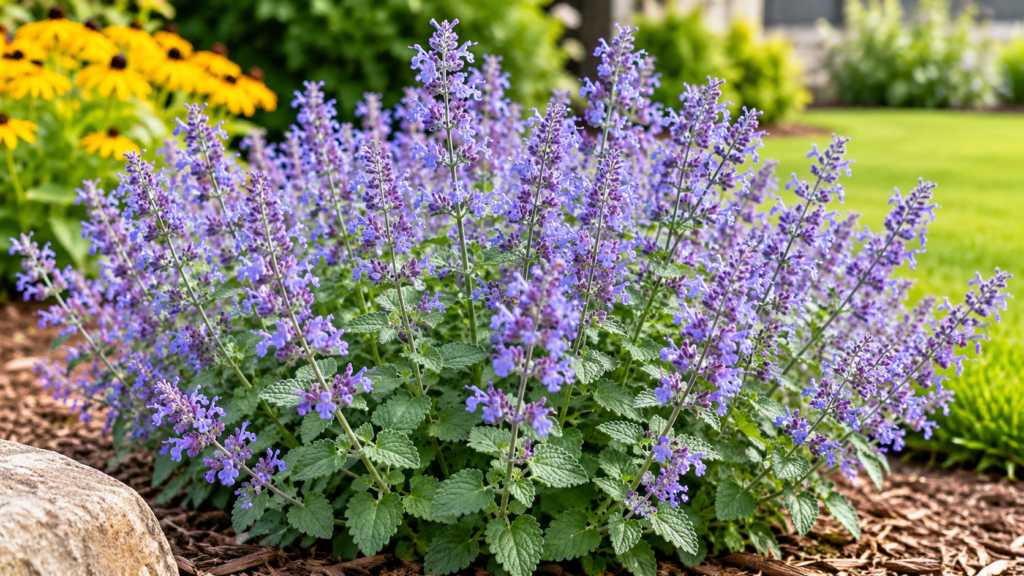
Catmint belongs to the mint family, and its genus name is Nepeta. The leaves are soft, gray-green, and fragrant when you brush them. The flowers come in spikes of lavender-blue, and they cover the plant in late spring.
Most catmints are hardy in roughly Zones 3 to 8, so a Zone 6 yard in Amherst, Clarence, or Orchard Park is well inside the comfort range. Cold isn’t the problem here. Lake-effect snow actually works as insulation. What catches people out is wet soil in winter and spring, because our heavy clay holds water around the roots. Get the drainage right and the plant does the rest. It also handles dry spells once it’s established, which suits the hot, patchy stretches we get in July and August.
Best Catmint Varieties for Zone 6, Including Purrsian Blue
Catmint isn’t a single plant. Several cultivars are sold, and they differ in size and habit. Low, mounding types work as edging along a walkway. Taller ones such as ‘Six Hills Giant’ make a loose, airy backdrop. ‘Walker’s Low’ has been popular for years and was named Perennial Plant of the Year in 2007.
Purrsian Blue catmint is a cultivar of Nepeta × faassenii with blue-violet flowers, and you’ll find it at many garden centers. Mature size varies from one cultivar to the next, so read the plant tag and plan your spacing from that. Basic nepeta care is the same whichever one you pick. Sun, drainage, and one good shearing each summer are what matter most. If you’re not sure which type fits your bed, bring a photo and the measurements, and we can help you choose.
How to Plant Catmint in Buffalo-Area Soil and Sun
If you want to know how to grow catmint successfully, start with the planting hole. Spring is the easiest time, once the ground is workable and the last hard frost has passed. In our area that usually means mid to late May. Early fall also works, as long as you plant at least six weeks before the ground freezes so the roots can settle in.
Choose a spot with at least six hours of direct sun. Part shade tends to make catmint floppy and thin. Dig the hole about twice as wide as the pot and the same depth, and set the plant so the crown sits level with the soil. Burying the crown invites rot.
If your soil is heavy clay, mix in compost to loosen it, or plant on a slight mound so water drains away from the roots. Spacing is usually 18 to 24 inches, but check the tag for your cultivar. Water deeply after planting, then keep it moist through the first summer if the rain doesn’t cooperate. Skip rich fertilizer. Too much feeding gives you leafy, flopping growth and fewer flowers.
Sun, Soil, and Watering Needs for Healthy Catmint
Think of catmint as a plant that does best with a little neglect. Full sun and well-drained soil are the two things it insists on. It’s tolerant of average garden soil and doesn’t need much feeding. A light layer of compost in spring is plenty.
Watering is where gardeners overdo it. Established plants cope with dry weather well, so water only during long dry spells. Soggy soil causes root rot, and root rot is the main reason catmint dies in our region. If you’re unsure about your soil, a soil test helps, and Cornell Cooperative Extension of Erie County can point you toward testing options.
When and How to Prune Catmint for a Second Bloom
This is the step that makes the biggest difference. The first wave of flowers usually peaks in June. When the blooms start to fade and the plant looks tired, shear it back by about one-third to one-half. Hedge shears work fine.
It looks harsh for a week or two. Then fresh, tidy foliage fills in, and a second round of flowers follows, often lasting into the fall. In a long, warm summer, a second light shearing can keep it going. Plants that never get cut tend to open up in the middle and look ragged by August.
In spring, cut the old stems down to a few inches once new growth appears at the base. We like to leave the old foliage standing through winter, since it helps protect the crown. Good catmint care really comes down to this yearly rhythm of one midsummer shear and one spring cleanup.
Winter Care and Dividing Catmint Every Few Years
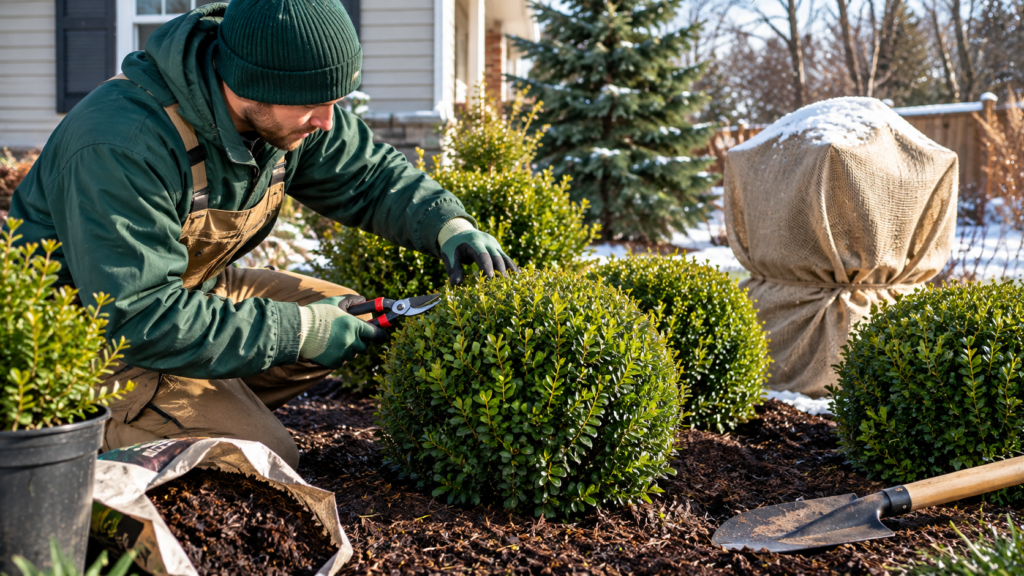
You don’t need to do much for winter. Leave the plant in place, and let snow cover it. The thing to watch is standing water around the crown during thaws, which is another reason drainage matters so much.
Every three to five years, catmint may start dying out in the center. That’s your cue to divide it. Do it in early spring as new growth starts. Dig up the clump, split it with a sharp spade, and replant the healthy outer sections at the same depth. You’ll end up with extra plants for other beds or for a neighbor.
Catmint for Pollinators: Bees and Butterflies in Your Garden
Bees love catmint. Bumblebees and honeybees work the flower spikes all day, and butterflies stop by too. Because shearing and reblooming stretch the flowering season, the plant offers nectar over a long window.
If you want to keep pollinators coming, avoid spraying insecticides on or near plants in bloom. Catmint rarely has pest problems anyway, so there’s seldom a reason to. A few catmint plants near a vegetable bed are a quiet way to bring in the bees that help with squash and berries. We see this in gardens around Western New York every summer.
Is Catmint Deer and Rabbit Resistant? What to Expect
Catmint is one of the more reliable deer resistant perennials for our area. The aromatic oils in the leaves put off deer and rabbits, so they usually leave it alone. That makes it a good choice along wooded edges and open lots in Clarence and the surrounding towns, where deer travel through.
A word of caution, though. Deer resistant doesn’t mean deer proof. A hungry deer in late winter will nibble nearly anything, and new plants are more tempting in their first season. If pressure is high, protect young plants with netting until they get established.
Cats are a different story. Garden catmint has milder effects on cats than true catnip, but some cats still like to roll in it. A small wire cage over a new plant helps until it’s sturdy enough to take a few flops.
Best Companion Plants to Grow With Catmint
Catmint plays well with others. The cool blue-violet color pairs nicely with pink or white roses, and gardeners have used that combination for generations. Yellow coneflowers and black-eyed Susans make a lively contrast. Silver foliage such as lamb’s ear adds texture, and ornamental grasses give height and movement behind it.
For a low-maintenance bed, you can combine catmint with other plants that deer tend to avoid, like Russian sage and yarrow. Place Purrsian Blue catmint or any similar variety toward the front of a border where its mounding shape can soften hard edges. Pick companions that like the same conditions, which means sun and good drainage, and your watering stays simple.
Best Evergreen Shrubs for Year-Round Color in Zone 6 Gardens
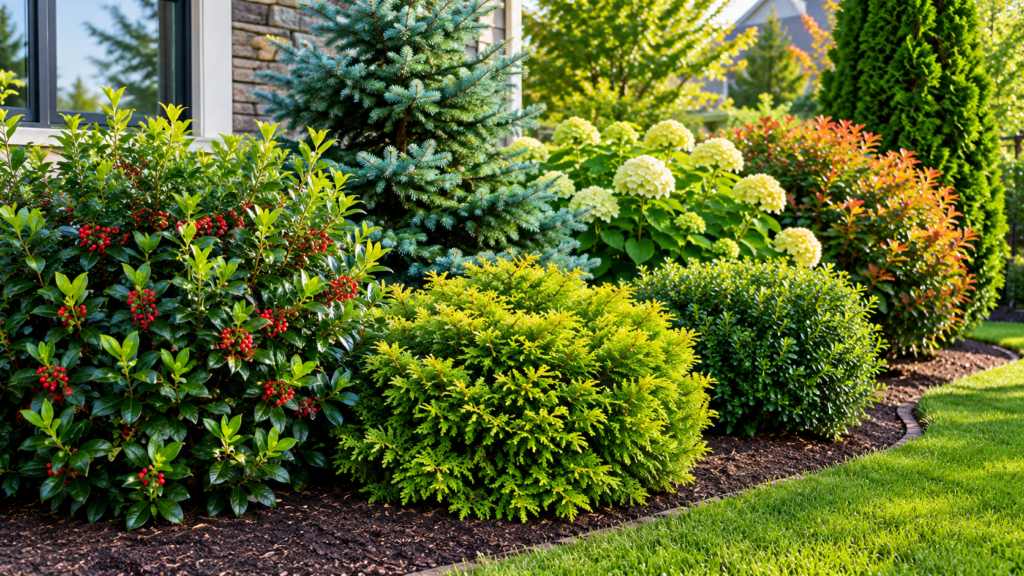
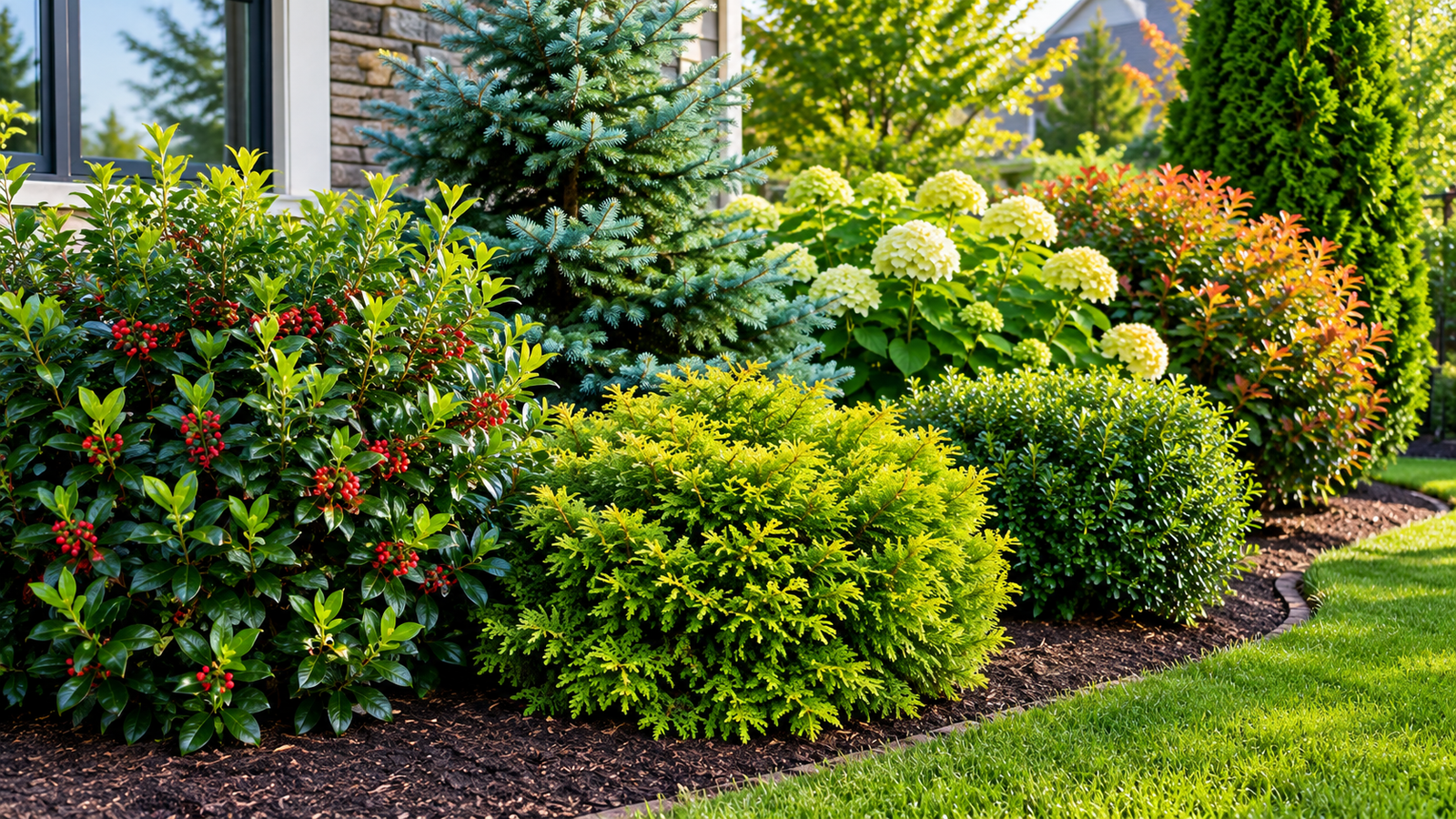
A Western New York yard in February can look pretty bare. Snow covers the beds, the maples stand empty, and everything fades to gray and white. Then you notice the one corner that still looks alive, with deep green leaves poking through the drifts. That is the job of an evergreen shrub. If you are trying to choose the best evergreen shrubs zone 6 gardeners can count on, this guide is for you.We will cover our top picks, how to use them along your foundation, how to care for them through our long winters, and what each one offers across the seasons. We have planted, pruned, and sometimes lost shrubs in this region, so we will tell you what works and what does not. Take your time with it. A shrub is a long-term decision, and a little planning now saves a lot of replanting later.
Continue Reading →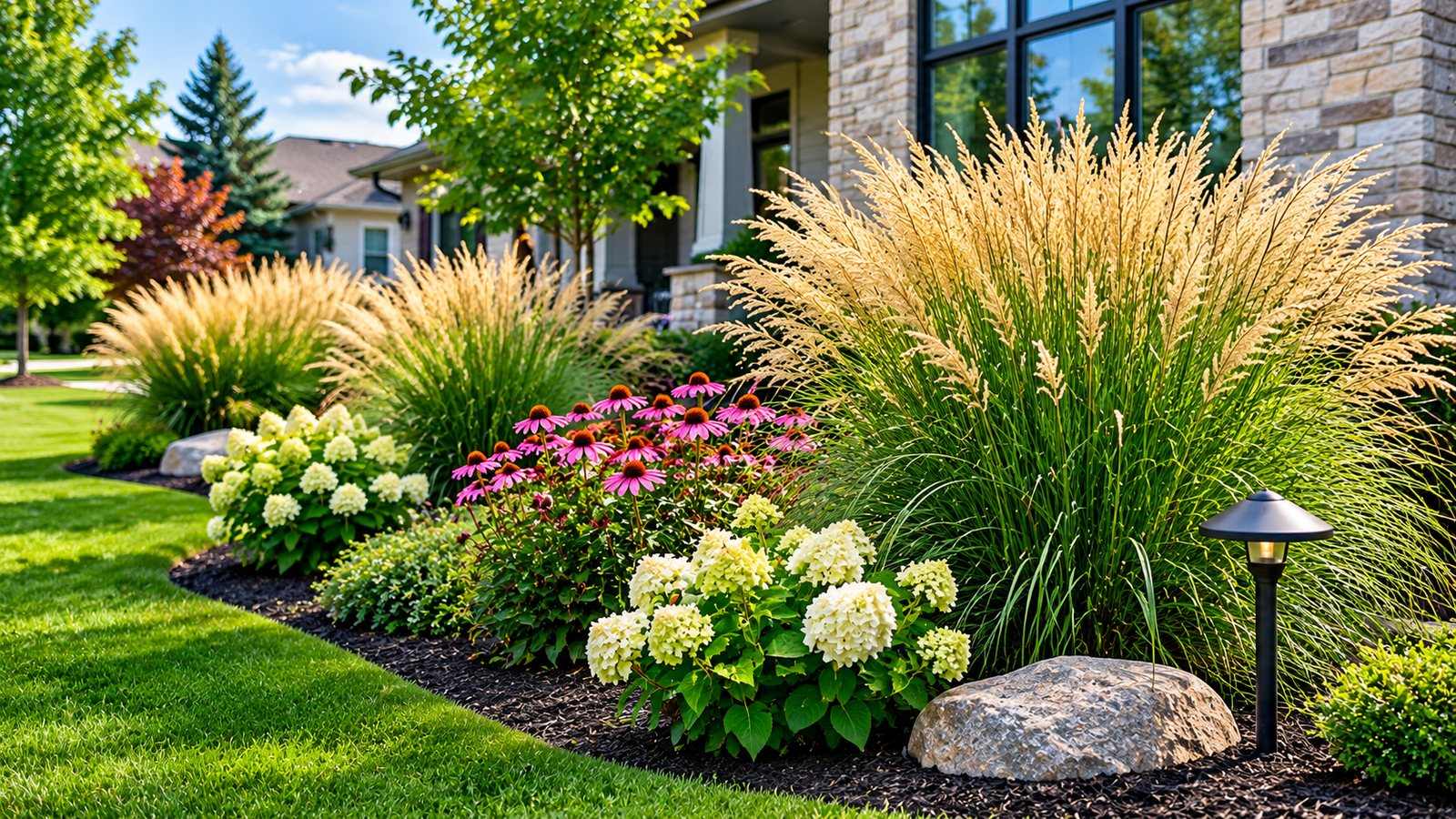
Ornamental Grasses for Buffalo Landscapes: Types, Planting & Care
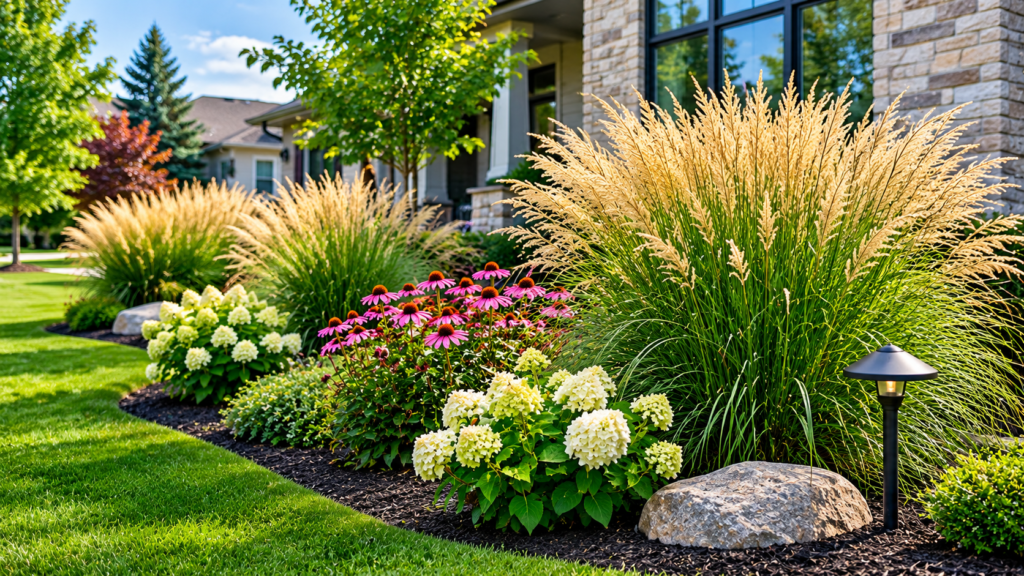
Walk through any well-planned Buffalo yard in late September, and you’ll see it: tall, feathery plumes catching the wind while everything else in the bed starts winding down for the season. That’s ornamental grass doing what it does best.If you’ve been eyeing your front bed thinking it needs more movement, more texture, or honestly just less maintenance, ornamental grasses for landscaping might be the answer you haven’t tried yet.
Continue Reading →Common Catmint Problems and Simple Fixes
Floppy growth in the center usually means too much shade or too much fertilizer. Cut it back and move on. Yellowing leaves and a mushy base point to wet soil, and the fix is better drainage, not more watering. In humid summers, leaf spot or powdery mildew can show up. Good spacing and airflow help.
Aphids appear now and then and are usually washed off with a hose. Overall, catmint is a low-fuss plant, and most issues trace back to water or sun.
Frequently Asked Questions
How much sun does catmint need?
Catmint does best in full sun, which means about six or more hours of direct light daily. It will grow in part shade, but plants tend to get leggy, flop open, and produce fewer flowers than ones planted in a bright spot.
When should I cut back catmint?
Shear it back by one-third to one-half after the first flush of blooms fades, usually in late June or July. Cut old stems down to a few inches in early spring when new growth appears at the base.
Is catmint deer resistant?
Mostly, yes. Its strong scent keeps deer and rabbits away in most gardens. No plant is completely deer proof, though. Hungry deer may sample young plants, so protect new plantings during their first season if you have heavy deer pressure.
Will catmint spread or take over my garden?
Most garden catmints form clumps and spread slowly. Some types can self-seed a little. Shearing after bloom limits seed production, and dividing every few years keeps plants in bounds. Check the tag for the cultivar you buy.
Does catmint come back every year in Buffalo?
Yes. Catmint is a perennial and is hardy in Zone 6, so it returns each spring. The main risk is wet, poorly drained soil in winter, which can rot the roots, so plant where water drains away.
Is catmint the same as catnip?
No. They’re related plants in the same genus, but true catnip has stronger effects on cats. Garden catmint is grown mainly for its flowers and foliage. Some cats still enjoy it, but many ignore it.
Can I grow catmint in a container?
Yes, in summer, with good drainage holes. Winter is trickier, since roots in pots freeze harder than roots in the ground. In Zone 6, planting in the ground is safer, or you can shelter the container over winter.