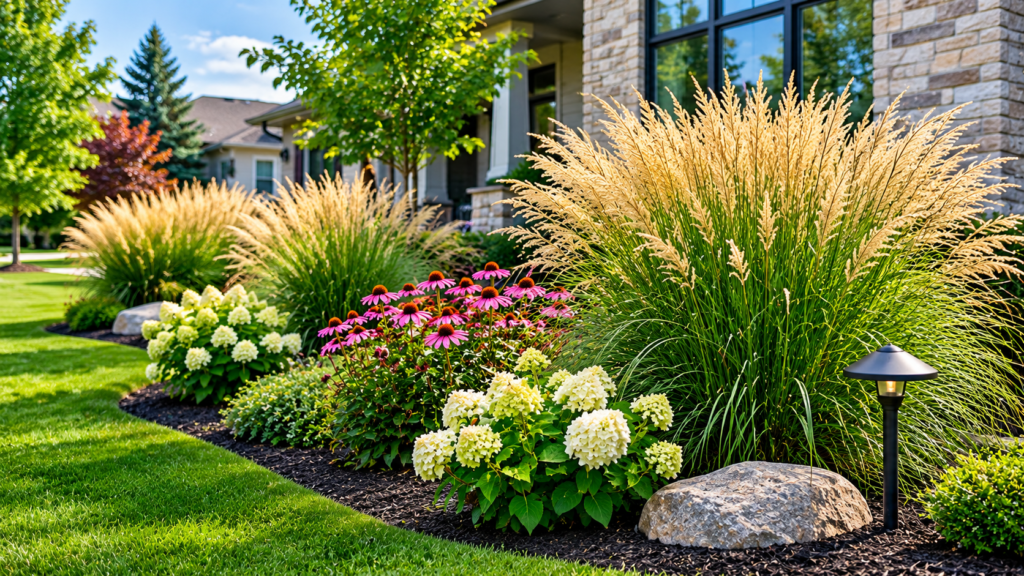
Walk through any well-planned Buffalo yard in late September, and you’ll see it: tall, feathery plumes catching the wind while everything else in the bed starts winding down for the season. That’s ornamental grass doing what it does best.
If you’ve been eyeing your front bed thinking it needs more movement, more texture, or honestly just less maintenance, ornamental grasses for landscaping might be the answer you haven’t tried yet.
This guide covers what actually grows well here in Zone 6, how to plant and care for it, and when to cut it back so it comes back strong next spring. No jargon, no upsell: just what we’d tell a customer standing in front of our own beds.
Quick Answer
Ornamental grasses for landscaping thrive in Western New York’s Zone 6 climate when planted in spring or early fall, given full sun, and left standing through winter for structure and bird habitat. Popular choices include Miscanthus, Feather Reed Grass, and Little Bluestem. Cut back in late winter or early spring, before new growth starts, not in fall.
Why Ornamental Grasses Work So Well Here
Buffalo gardens deal with a specific set of challenges: clay-heavy soil in some neighborhoods, sandy patches in others, harsh winter winds off the lake, and a growing season that’s shorter than gardeners in warmer zones get to work with.
Ornamental grasses handle all of it better than most perennials. Once established, wide varieties tolerate drought, don’t need heavy feeding, and actually look better with a bit of neglect than with fussing.
They also solve a real design problem. Most flowering perennials peak for a few weeks and then sit there doing nothing. Grasses build all season, peak in fall when everything else is fading, and hold their structure through winter. That’s three seasons of interest from one plant, which is hard to beat.
Best Ornamental Grasses for Zone 6 Landscapes
Not every grass sold at a big box store is suited to our winters, so it helps to know what’s proven itself here.
Miscanthus sinensis (Maiden Grass). This is the classic choice, and for good reason. It grows 4 to 7 feet tall depending on variety, produces coppery plumes by late summer, and handles our winters without issue. Miscanthus care is fairly low-effort once established: full sun, average soil, and a spring cutback is really all it needs. Varieties like ‘Morning Light’ and ‘Gracillimus’ are reliable performers in this region.
Karl Foerster Feather Reed Grass. Upright, narrow, and almost architectural in how straight it grows. It’s one of the earliest grasses to put up seed heads, often by June, and holds its shape through snow without flopping over. Great for anyone who wants structure without sprawl.
Little Bluestem. A native prairie grass that’s been getting more attention lately, and deservedly so. It stays compact, turns a striking blue-green through summer and rust-orange in fall, and supports local pollinators and birds better than most non-native options.
Switchgrass (Panicum virgatum). Another native option, tougher than it looks, and tolerant of wetter soil than most grasses can handle. Good for spots near downspouts or low areas that stay damp after storms.
Fountain Grass (Pennisetum). Softer, more arching habit with fuzzy seed heads. Worth noting that some fountain grass varieties are treated as annuals this far north since they’re not reliably hardy through a tough Zone 6 winter: check the tag before assuming it’ll return.
If you’re only picking one, Miscanthus and Feather Reed Grass are the two most forgiving starting points for someone new to growing ornamental grass in this climate.
Planting Ornamental Grasses: Timing and Technique
Spring planting, roughly April through May once the ground has thawed and warmed, gives grasses a full season to establish roots before winter. Early fall planting works too, ideally by mid-September, so roots have time to settle before the ground freezes. Planting too late in fall risks the plant going into winter without enough root development, which can mean losses.
Most ornamental grasses want full sun: six hours minimum, though a few, like certain sedges, tolerate partial shade. Soil doesn’t need to be perfect. Most established grasses handle average to poor soil better than rich, heavily amended beds, which can actually cause floppy, overgrown growth in some varieties.
Space plants according to their mature spread, not their size at purchase. A gallon-pot Miscanthus looks small now but will fill a 4-to-5-foot circle within two or three seasons. Crowding grasses too close together means fighting for space and airflow later, which invites fungal issues in humid Buffalo summers.
Water consistently through the first season while roots establish. After that, most ornamental grasses only need supplemental watering during extended dry stretches.
Cutting Back: Timing Matters More Than People Think
This is where a lot of homeowners get it wrong, understandably. The instinct is to tidy up the yard in October along with everything else.
But cutting back grasses in fall removes the exact structure that makes them valuable through winter: the seed heads feed birds, the stems catch snow in a way that looks good, and the standing growth actually protects the crown of the plant from harsh freeze-thaw cycles.
The better approach: leave grasses standing through winter and cut them back in late February through March, before new green growth starts emerging from the base. Cut Miscanthus and similar clumping grasses down to about 4 to 6 inches above the ground. Waiting too long into spring, after new shoots have started, makes the job messier and risks damaging new growth.
A hedge trimmer or loppers works fine for most home-sized clumps. For anyone dealing with a large, well-established Miscanthus that’s grown dense over several years, this can be more physical work than it looks; the base gets fibrous and tough over time.
Design Uses: Getting the Most Out of Grasses in a Bed
Ornamental grasses do a few design jobs particularly well. Taller varieties like Miscanthus work as a seasonal privacy screen or backdrop for a perennial bed, filling in height that shrubs take years to provide. Mid-height grasses like Feather Reed Grass read well as vertical accents mixed among lower perennials, breaking up flat, uniform plantings.
Shorter grasses, like Little Bluestem, work along borders or in mass plantings where their movement and color shift through the season become the main feature rather than a supporting one. Grasses also pair naturally with native perennials and pollinator gardens, since many are host plants or food sources for local wildlife, something more property owners in the area are asking about specifically.
One thing worth mentioning: ornamental grasses look genuinely better in groupings of three or more of the same variety rather than scattered single specimens. A lone grass clump in an otherwise mixed bed tends to look like an afterthought; a cluster reads as intentional.
General Care Through the Seasons
Once established, ornamental grass care is fairly hands-off compared to most perennials. A light application of balanced fertilizer in spring is usually enough; too much nitrogen tends to produce weak, floppy growth rather than sturdy stems.
Division becomes necessary every 3 to 5 years for most clumping varieties, once the center of the clump starts thinning or dying out, which is a normal part of the plant’s life cycle rather than a sign of a problem.
Watch for slow green-up in spring: grasses are often the last plants in a bed to show new growth, sometimes not until mid-to-late May here. That delay makes people nervous, but it’s typical, not a sign of dieback, unless the crown itself feels soft or hollow when checked.
At KD Nursery, we’ve seen how easily ornamental grasses can be mistaken for dead plants in early spring. Wide varieties simply take longer to emerge, so it’s worth checking their condition before deciding to remove them.
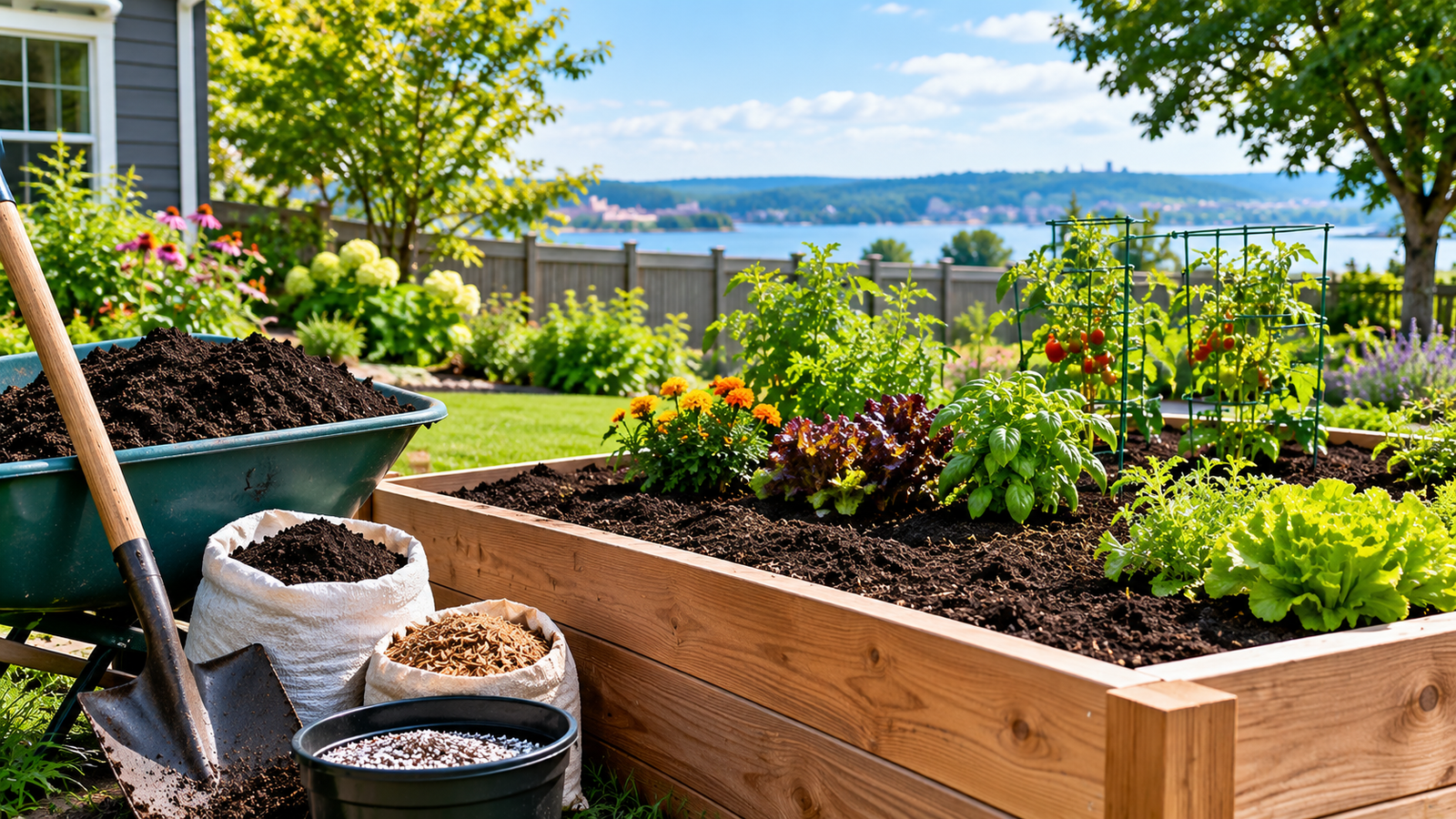
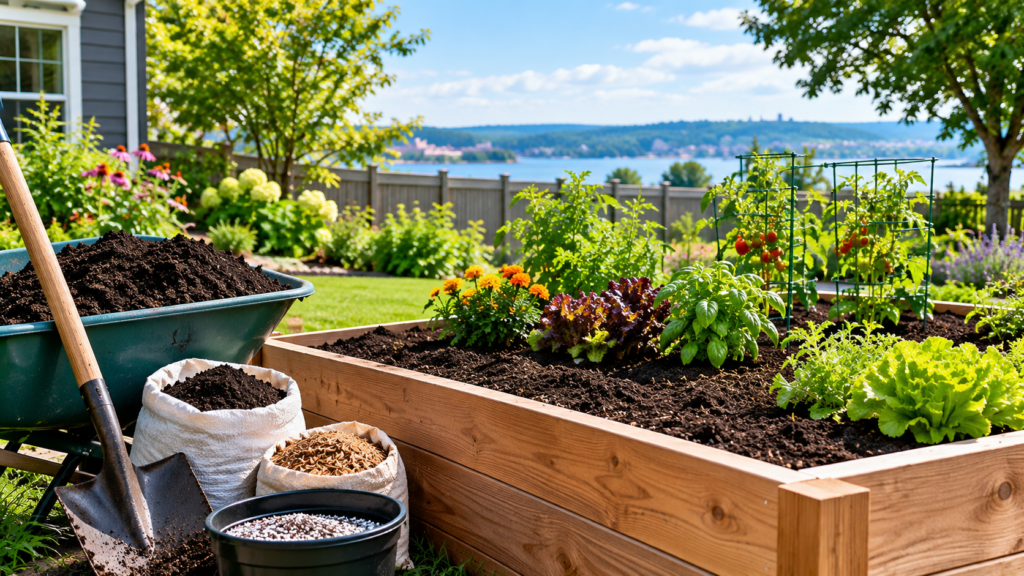
Choosing the Right Soil for Raised Garden Beds in Western New York
Healthy raised garden beds start with a growing medium that supports strong roots, balanced moisture, good drainage, and steady nutrient availability. Learn how topsoil, compost, and quality garden soil work together to create suitable conditions for vegetables, herbs, and flowers. Explore important factors such as soil texture, organic matter, bed depth, and drainage when preparing a new garden. In Buffalo and throughout Western New York, choosing the right soil blend can help manage seasonal rainfall and changing temperatures while supporting healthy plant development. Discover practical soil preparation tips to help you build a productive garden and maintain your planting beds throughout the growing season.
Continue Reading →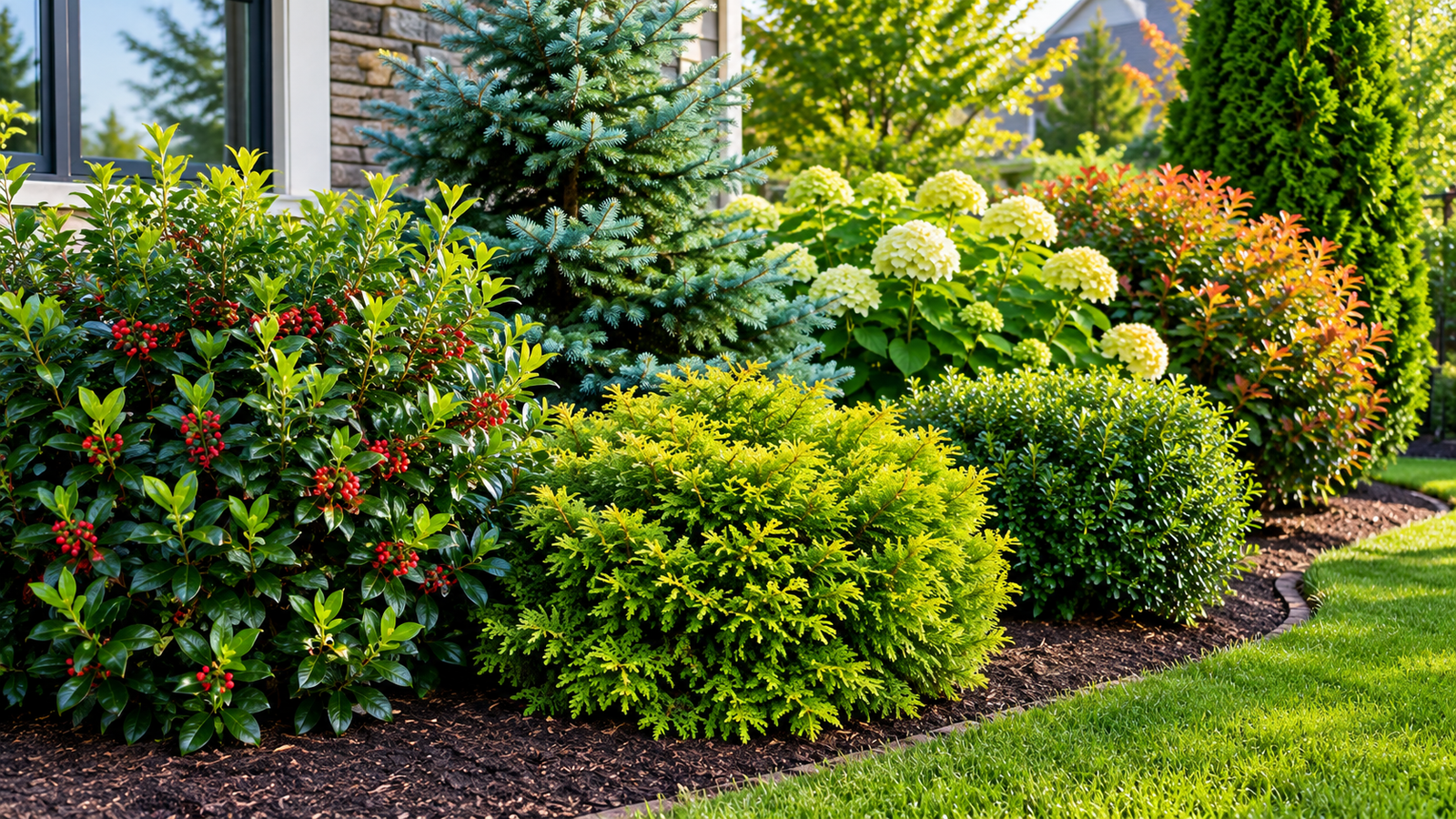
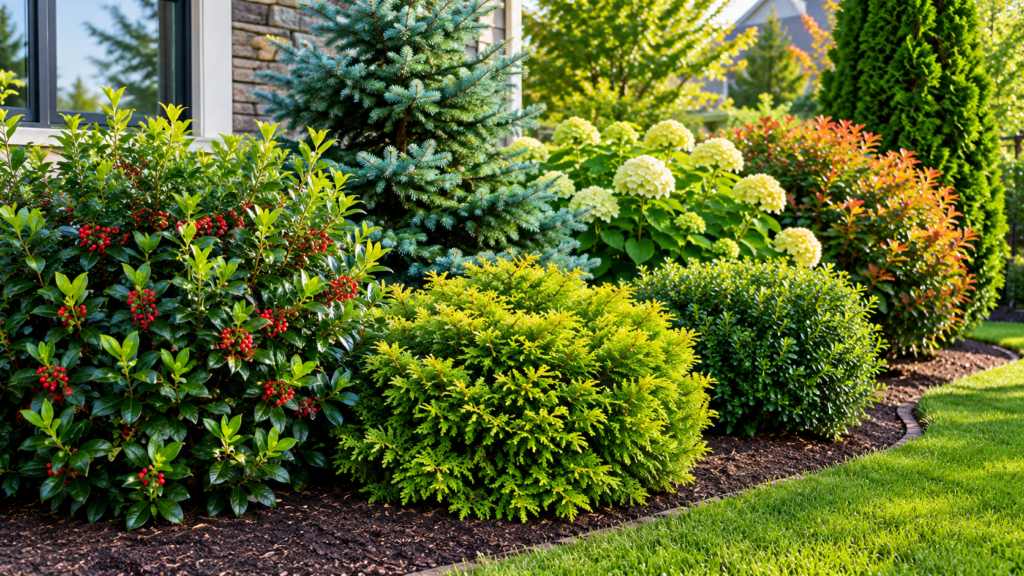
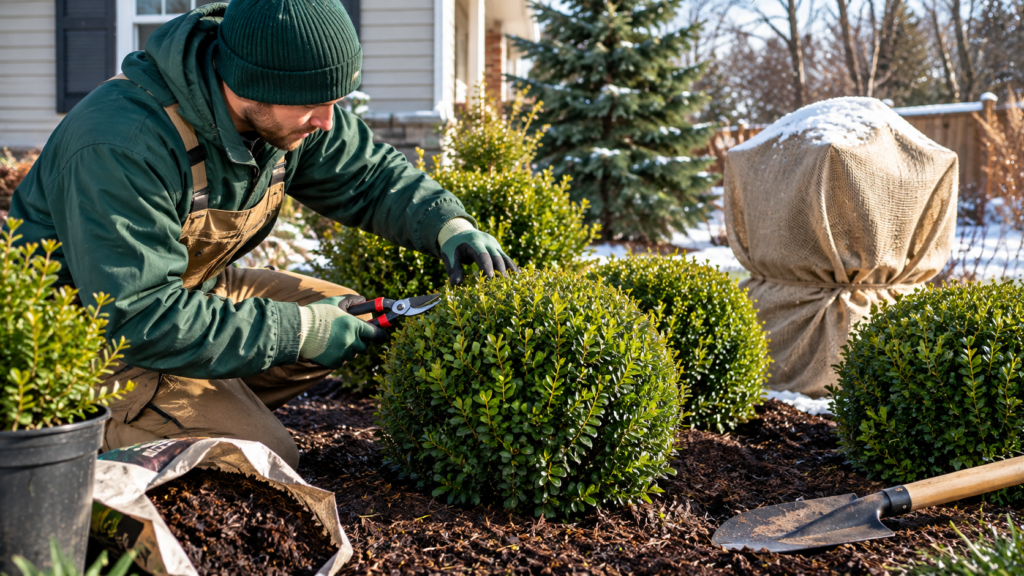
Evergreen Shrubs for Beautiful Gardens in Every Season
Create an attractive outdoor space with evergreen shrubs that provide consistent foliage, natural structure, and seasonal interest throughout the year. Explore popular choices such as boxwood, arborvitae, juniper, and other hardy varieties suited to Zone 6 growing conditions. Learn how to select shrubs based on sunlight exposure, soil drainage, mature size, foliage color, and available planting space. For homeowners in Buffalo and Western New York, choosing cold-hardy plants is especially important for handling freezing temperatures and changing winter conditions. Discover practical planting and maintenance tips, including proper spacing, watering, pruning, and mulching, to help your shrubs establish healthy roots and maintain an appealing landscape.
Continue Reading →Choosing What’s Right for Your Property
The right ornamental grasses for landscaping really depend on what a property needs: screening, erosion control on a slope, pollinator support, or simply movement and texture in a bed that’s gone static. A quick walk through the yard with someone who knows how these plants actually behave through a full Buffalo year, not just how they look on a nursery tag in June, tends to save people from expensive trial and error.
At KD Nursery, that’s usually the first conversation we have with a property owner before anything goes in the ground: what the space is actually being asked to do, then matching the grass to that job.
Frequently Asked Questions
When should I cut back ornamental grasses in Buffalo?
Late February through March, before new growth emerges from the base, is ideal. Cutting in fall removes winter structure and can reduce the plant’s cold protection through freeze-thaw cycles common in this region.
Do ornamental grasses survive Zone 6 winters without protection?
Most established varieties suited to Zone 6, like Miscanthus and Feather Reed Grass, survive without extra protection. Leaving stems standing through winter actually helps insulate the crown against harsh temperature swings.
How much sun do ornamental grasses need?
Most varieties need at least six hours of direct sun daily to grow full and upright. Grasses planted in too much shade often grow sparse, floppy, and produce fewer or no seed heads.
Can ornamental grasses grow in clay soil?
Wide varieties, including Switchgrass and Little Bluestem, tolerate clay soil reasonably well once established. Improving drainage slightly at planting time helps roots establish faster during the first season.
How often do ornamental grasses need dividing?
Most clumping grasses benefit from division every three to five years, once the center of the clump starts thinning or dying back. This keeps the plant full and prevents that hollow-center look.
Are ornamental grasses good for privacy screening?
Taller varieties like Miscanthus can provide seasonal screening, reaching 5 to 7 feet by late summer. Keep in mind they die back each winter, so they don’t offer year-round privacy like shrubs.
Do ornamental grasses attract pests or wildlife?
They generally attract more beneficial wildlife than pests; birds use seed heads for food and stems for nesting material. Native varieties like Little Bluestem also support local pollinators through the growing season.