Sod or seed? It’s a fair question, and there’s no single right answer for every yard. The choice depends on your budget, your timeline, and how much patience you’ve got left after a long Buffalo winter.
We’ve laid enough sod and spread enough seed over the years to know both jobs have their place, and both can go wrong if you skip the basics.
Let us walk you through what actually matters when you’re weighing sod vs seed for your own property.
Cost: What You’re Really Paying For
Cost is usually the first thing homeowners ask about, and it’s a reasonable place to start.
We get it.
New lawn projects aren’t cheap no matter which direction you go, and most people are budgeting against a bigger renovation, not just grass.
Seed is cheaper upfront.
A bag of quality cool-season blend costs a fraction of what sod runs per square foot, and if you’re covering a large yard, that difference adds up fast. Sod comes pre-grown and ready to roll out, which means you’re paying for someone else’s labor, water, and time in the field before it ever reaches your property.
When homeowners ask us about the cost of sod vs seed, we tell them straight: seed saves money if you’re willing to wait and do some maintenance work yourself in those first few weeks. Sod costs more because you’re buying convenience and a head start.
But cheap isn’t always cheap in the end.
A patchy seed job that needs reseeding twice can end up costing close to what sod would have, plus the extra months of dirt and mud. That’s why we always ask people what they actually want out of the project before quoting either one.
Are you trying to save money, or are you trying to save time? Those are two different jobs, even though the result looks the same from the sidewalk.
Speed: How Fast Do You Need a Lawn
Speed changes the math quite a bit, and it’s often the deciding factor.
If you need a lawn now, seed isn’t going to get you there. Grass seed takes one to three weeks to germinate depending on the blend and the weather, and even after it sprouts, it stays fragile for a couple of months before it can handle real foot traffic or a mower.
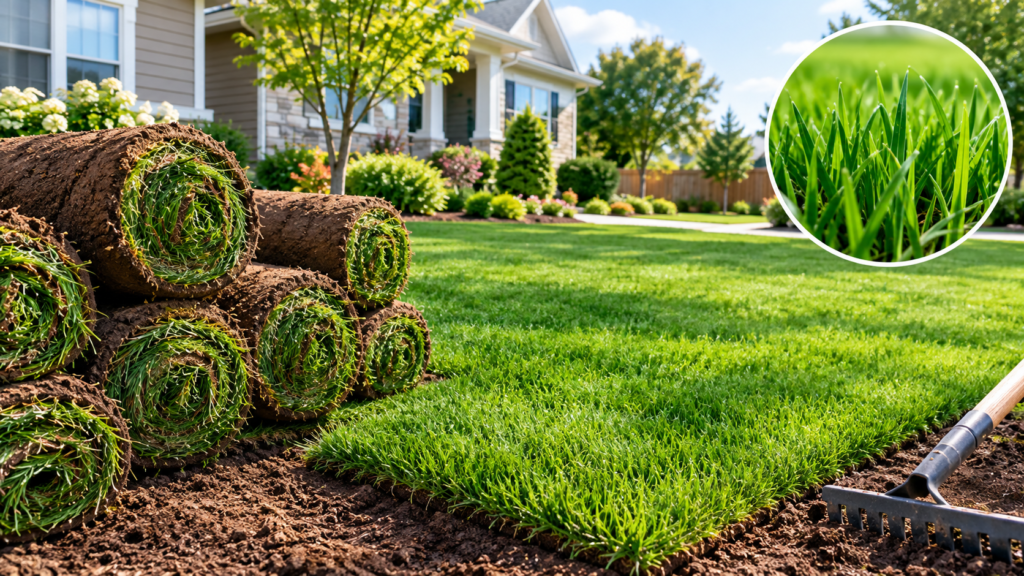
Sod gives you an instant lawn.
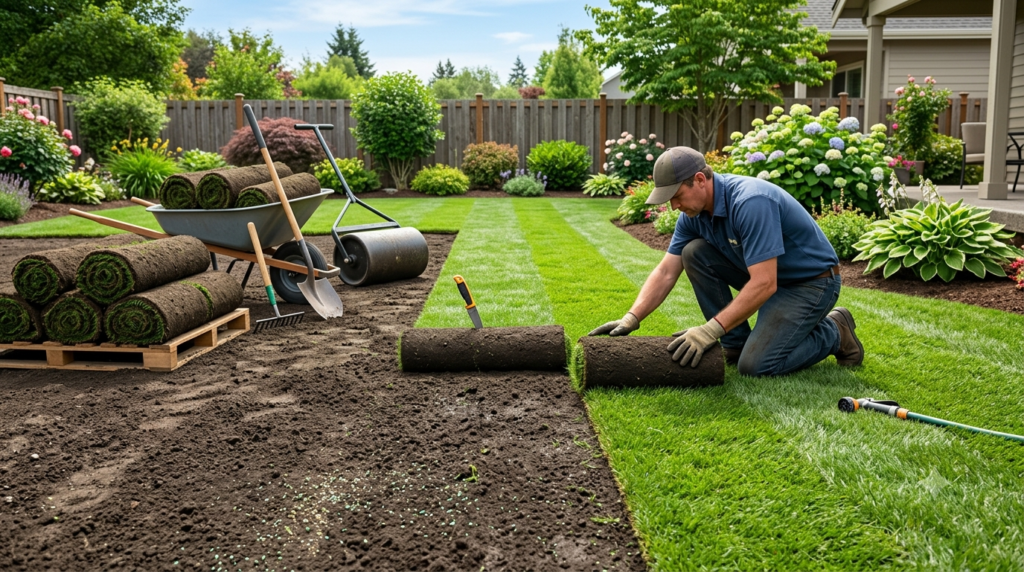
Roll it out, water it in, and within two to three weeks the roots have knitted down into the soil below it. For homeowners selling a house, hosting a graduation party, or just tired of staring at bare dirt, sod is the fastest way to a new lawn, no question.
Seed simply can’t compete on that front, and we don’t pretend otherwise with clients. I’d rather tell someone upfront that sod is the right call for their timeline than have them plant seed in June and call us frustrated in August.
Best Season: Timing Makes or Breaks the Job
Around here, timing matters more than people think.
Fall is the best window for seeding in Western New York, typically late August through the end of September. The soil is still warm from summer, which helps germination, while cooler air and shorter days keep young grass from stressing out the way it does under July heat.
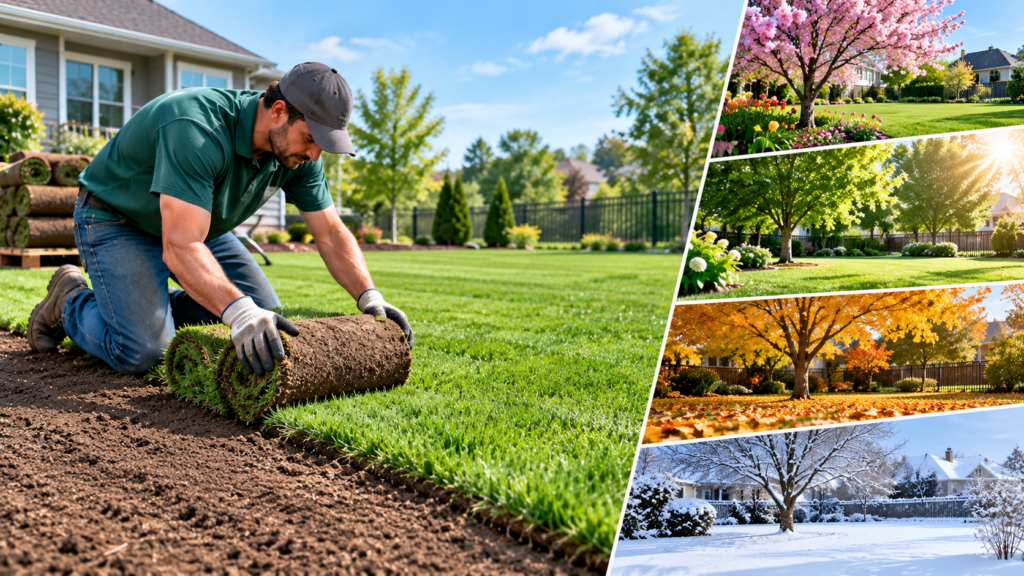
Spring seeding works too, but weeds compete harder for space and summer heat can stall growth before the roots get fully established. Sod is more forgiving on timing. You can lay sod through most of the growing season, spring through early fall, as long as you commit to watering it consistently while it roots in.
That flexibility is one reason people lean toward sod when they’ve missed the ideal seeding window and don’t want to wait until next fall.
Durability: Which Lawn Holds Up Long Term
Durability is where the debate gets more interesting, and where a lot of assumptions turn out wrong.
Sod gives you a strong-looking lawn fast, but seeded lawns often build deeper, more resilient root systems over time. That’s because the grass grows directly into your native soil from day one instead of being grown in a nursery field and cut loose for transplanting.
That said, sod’s dense coverage crowds out weeds early on, which seed can’t do until it fills in completely. Neither option is bulletproof against a rough Buffalo winter or a dry August stretch. A well-established seeded lawn, cared for properly through its first year, tends to hold up better long-term than people expect.
Both approaches need real aftercare. Neither one is a plant-it-and-walk-away project, no matter what the bag or the pallet tag promises.
WNY Climate Fit: Why Local Conditions Change the Decision
Western New York throws a lot at a lawn over the course of a year.
We get heavy snow, freeze-thaw cycles that heave the ground, humid summers, and clay-heavy soil in a lot of neighborhoods around Buffalo and Clarence. Cool-season grass blends, the kind used in both sod and seed here, handle our winters fine once established. Soil prep matters more than most homeowners realize, though.
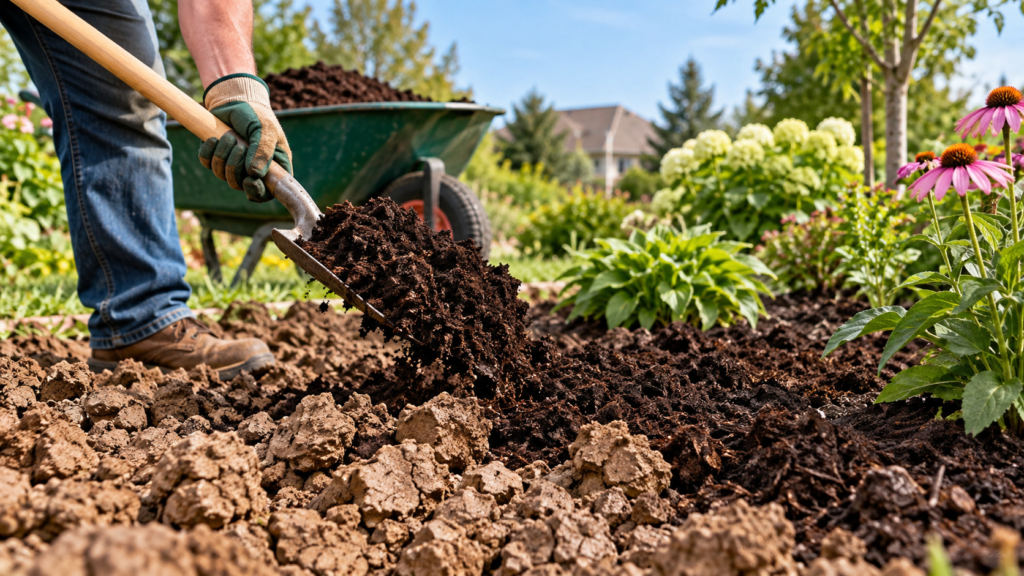
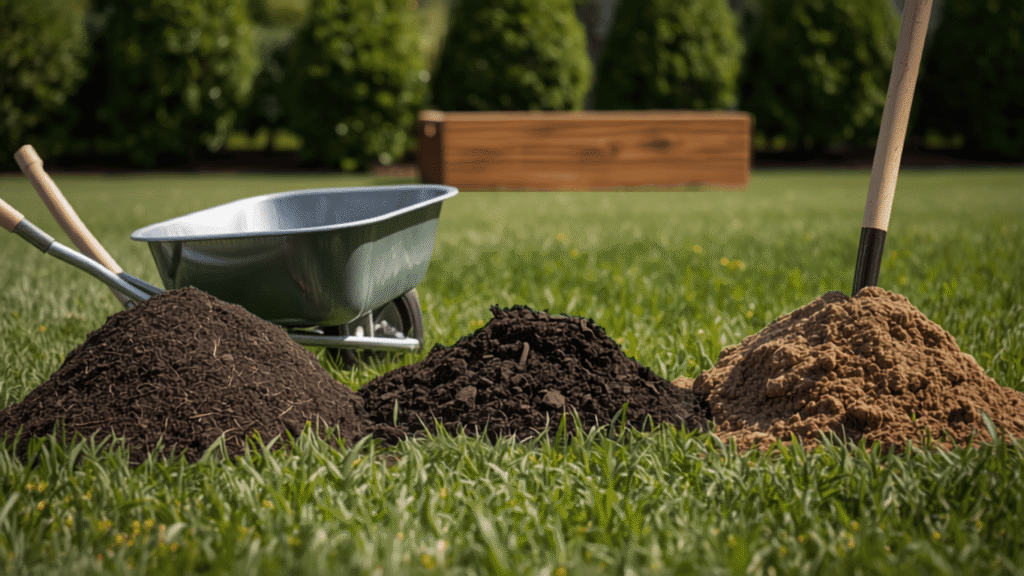
At KD Nursery, we test soil before recommending either option, because a sod or seed decision made without knowing your yard’s drainage and pH is really just a guess dressed up as advice. Clay soil especially needs amending, whether you’re seeding or laying sod, or you’ll be fighting standing water and thin patches for years.
What Happens After Installation
The work doesn’t end once the sod is rolled out or the seed is down.
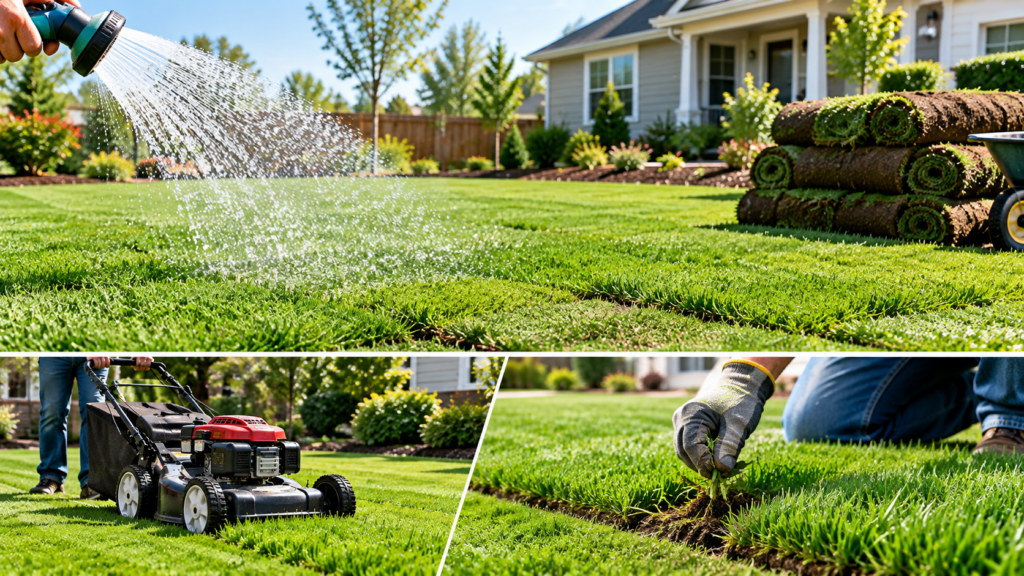
New sod needs daily watering for the first two weeks, then a gradual taper as the roots take hold. Mowing height matters too. Cut it too short too soon, and you’ll stress a lawn that hasn’t finished rooting. Seeded lawns need even more patience.
Light, frequent watering keeps the top layer of soil moist without washing seed away, and that first mow should wait until the grass is tall enough to handle it, usually around three inches. Skip a watering cycle during a hot stretch, and you can lose weeks of progress on either one.
This is the part homeowners underestimate the most, and it’s where most lawn failures actually happen, not in the planting itself.
It’s also why the KD Nursery crew walks clients through a watering schedule before we ever leave the property, not just a care sheet handed off at the end.
So Which One Wins the Seeding vs Sodding Debate
Honestly, it depends on your situation, and we mean that every time we say it.
If you’ve got the budget and need results fast, sod is worth the extra cost. If you’re patient, working with a tighter budget, or planting during that fall window when conditions favor it, seed does the job well and often produces a more durable lawn over the following years.
We’ve seen homeowners regret rushing into sod when a fall seeding would have saved them money and given a comparable result a year later. I’ve also seen people spread seed in the middle of July, watch it fail under the heat, and wish they’d just laid sod instead. Timing and expectations matter as much as the product itself, maybe more.
A Few Things We Always Tell Clients Before They Decide
First, get your soil tested before you buy anything. Second, be honest with yourself about how much maintenance you’re willing to do in those first few weeks, because both sod and seed need consistent watering to establish properly. Third, think about your timeline realistically, not just what you want but what the season actually allows.
We’ve walked plenty of yards in Clarence, Amherst, and the greater Buffalo area where the right call wasn’t obvious until we saw the drainage, the sun exposure, and the condition of the existing soil. That’s the part a phone call can’t tell you. It takes someone standing in the yard.
Prep Work Matters More Than the Product You Choose
There’s no shortcut around good prep work, either way you go.
Grading the yard, clearing debris, and loosening compacted soil makes the difference between a lawn that thrives and one that limps along no matter which method you pick. Skipping that step is the most common mistake we see homeowners and even some contractors make, and it costs more to fix later than it would have to do right the first time.
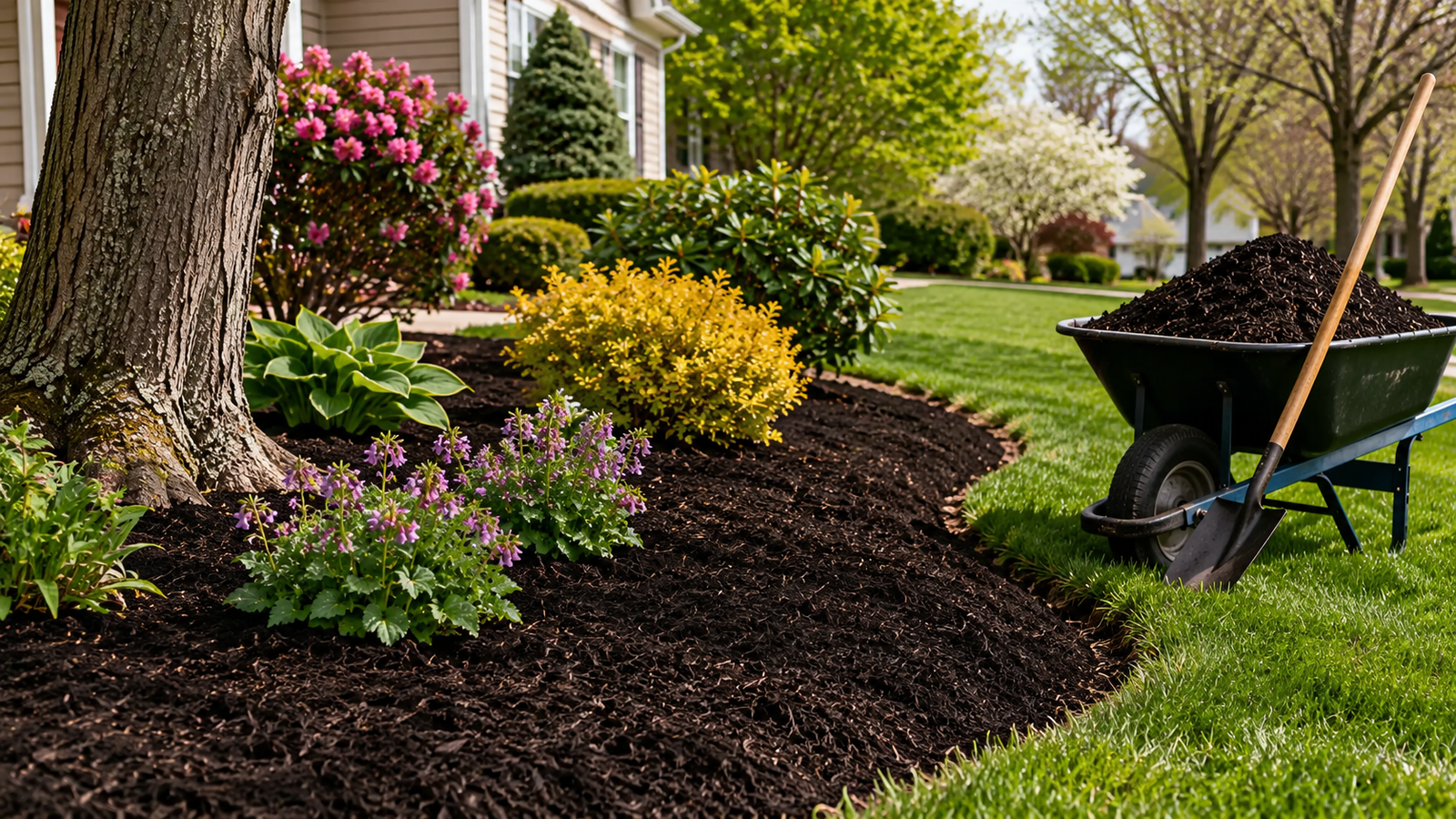
When & How Often Should You Mulch in Western New York?
Learn when to apply mulch in Western New York and how often landscape beds may need refreshing. Discover seasonal timing, recommended mulch depth, refresh methods, and ways to protect soil moisture, plant roots, and garden beds throughout changing WNY weather.
Continue Reading →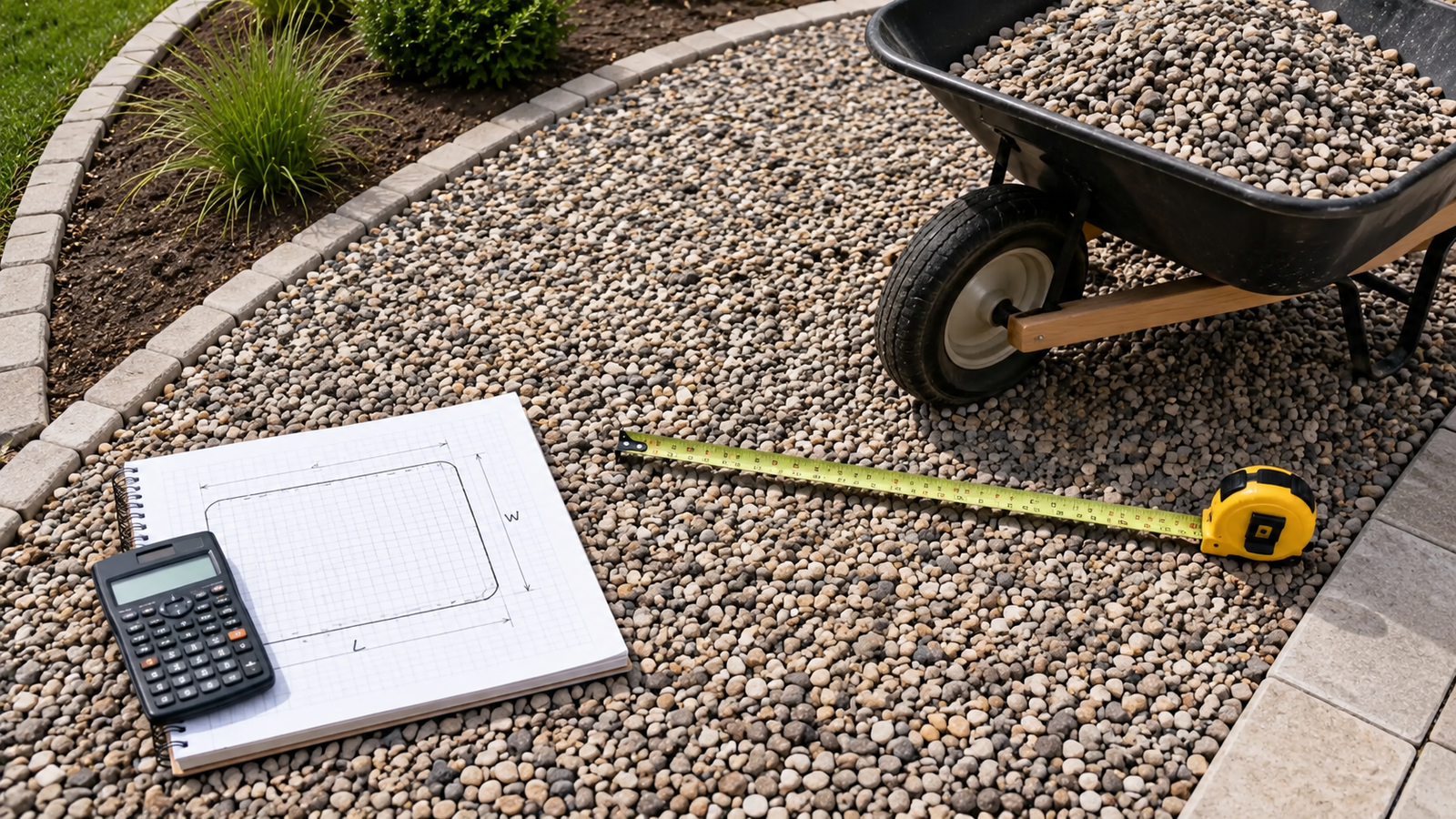
How Much Landscape Stone or Gravel Do I Need? Coverage Calculator Guide
Learn how to calculate the amount of landscape stone or gravel needed for your yard project. Find practical guidance on measuring square footage, choosing the right depth, estimating cubic yards, understanding tons, and planning bulk stone delivery.
Continue Reading →A properly prepped yard gives both sod and seed a real fighting chance against our unpredictable weather.
At the end of the day, sod vs seed isn’t really a competition between a right answer and a wrong one. It’s a decision based on what your yard needs and what you’re able to invest right now, this season, not some ideal season down the road.
The team at KD Nursery has walked hundreds of Western New York yards and helped homeowners weigh these trade-offs honestly, without pushing whichever option happens to be pricier that week. If you’re still unsure which route fits your property, get someone out to look at your soil and talk through your timeline before you commit either way.
It’s a lot easier to get this right the first time than to redo it a year later.
Frequently Asked Questions
Is sod or seed cheaper for a full yard replacement?
Seed is almost always cheaper upfront, sometimes by half or more compared to sod. Sod costs more because it’s grown offsite and delivered ready to install. If your budget is tight and you can wait through establishment, seed usually wins on cost per square foot.
How long before I can walk on a new sod lawn?
Most sod can handle light foot traffic after two to three weeks, once the roots have knitted into the soil beneath it. Heavier use, like mowing or kids playing regularly, should wait closer to three to four weeks depending on weather and watering.
What’s the best time of year to seed a lawn in Buffalo?
Late August through September is the strongest window here. Soil is still warm, air temperatures are cooling, and there’s less weed competition than in spring. Fall-seeded lawns typically establish stronger roots heading into winter than spring-seeded ones.
Does sod work better on clay soil than seed?
Neither handles poor clay soil well without amendment. Sod tolerates rougher soil slightly better short-term because it arrives with its own root mat, but long-term success for either option depends on fixing drainage and adding organic matter first.
Will grass seed survive a Western New York winter?
Established cool-season seed blends handle our winters fine once the root system is developed, which usually takes a full growing season. Seed planted too late in fall, without enough time to root before frost, is more vulnerable to winter kill.
How much water does new sod actually need?
New sod needs daily watering for the first two weeks, enough to keep the soil beneath it consistently moist, not soaked. After roots establish, you can taper down to a normal watering schedule of about an inch a week.
Can I mix sod and seed in the same yard project?
Yes, and it’s fairly common. High-visibility areas near the front of the house often get sod for immediate results, while side and back yards get seeded to save on cost. Just expect a short color and texture difference while the seeded area catches up.