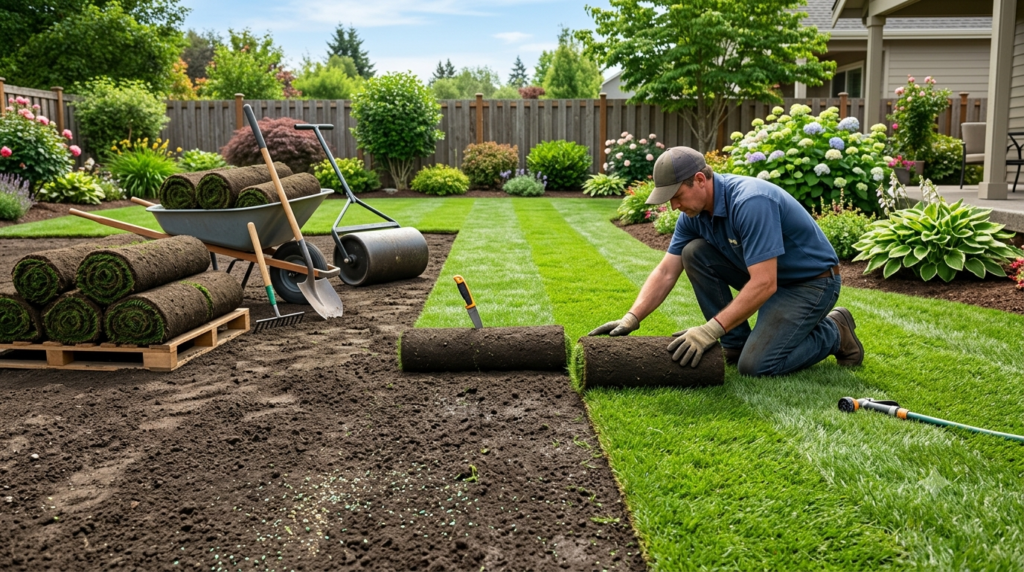
Gardening can be one of the best ways to create a beautiful and relaxing outdoor space. If you are new to gardening buffalo ny, make sure to understand the weather and seasons before planting. Buffalo has cold winters, wet springs, and warm summers; gardening for each season requires a different approach. Even novice gardeners can grow a vibrant, healthy garden from the right planning and seed selection year-round.
At KD Nursery, we help homeowners select the right plants, tools, and gardening methods for Buffalo’s climate. Whether you want flowers, vegetables, shrubs, or trees, our team can help you build a garden that will successfully grow in every season.
Understanding the Buffalo Climate for Gardening
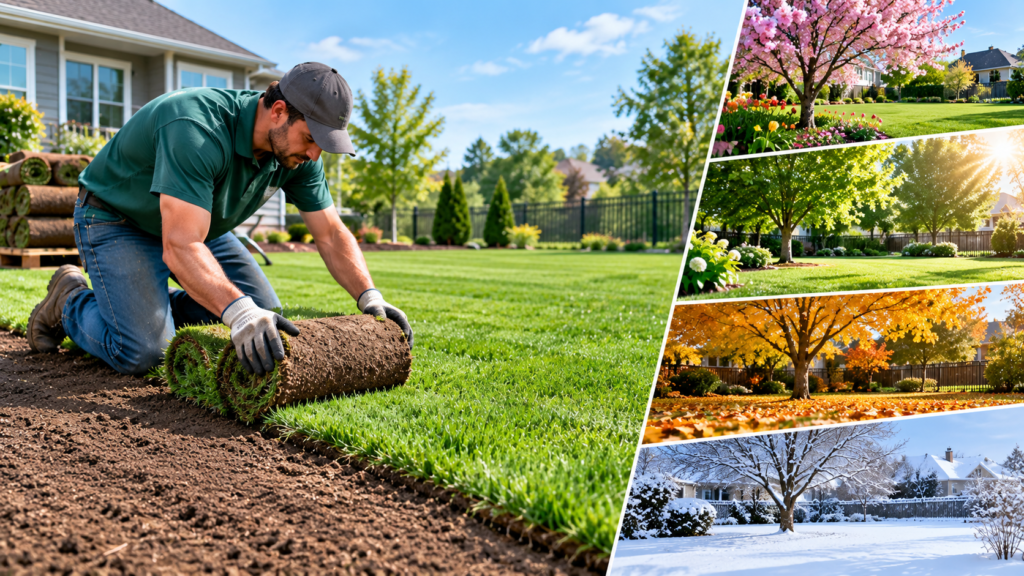
The weather in Buffalo can shift quickly, so local knowledge is important in successfully gardening. Winters are snowy; springs are cool, summers are humid, and falls are crisp. Under these conditions, it is important for gardeners to select temperature-resistant plants.
Native plants and cold-hardy varieties tend to do best because they are adapted to the Western New York weather.
| Season | Main Gardening Task | Best Plants/Activities |
| Spring | Soil preparation and planting | Lettuce, spinach, tulips |
| Summer | Watering and pest control | Tomatoes, peppers, and mulching |
| Fall | Garden cleanup and root strengthening | Plant bulbs, add compost |
| Winter | Plant protection and planning | Mulching, covering shrubs |
Spring Gardening Checklist
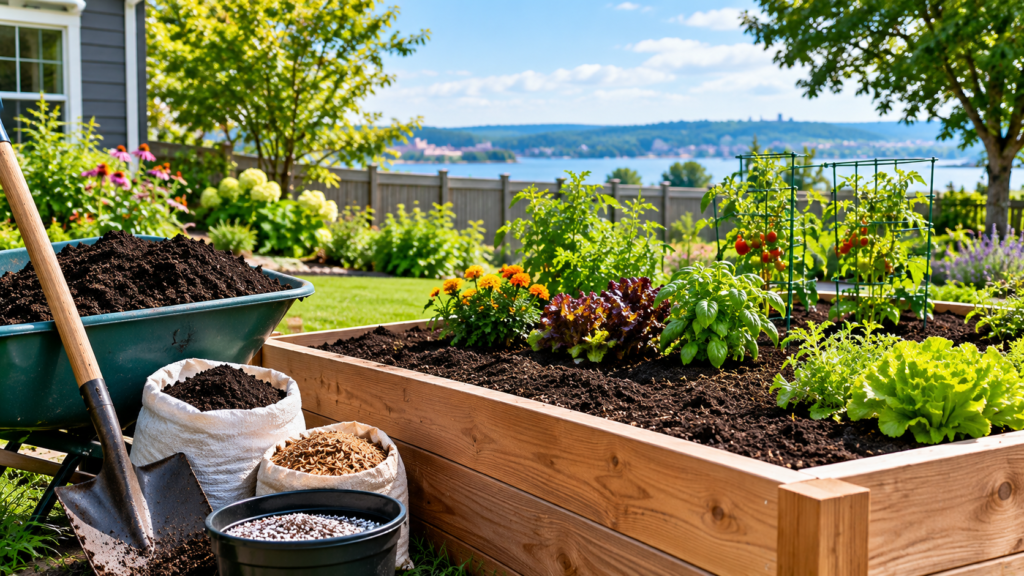
Spring is the best time to ready your garden after a long Buffalo winter. As soon as the snow melts and the ground slowly warms up, gardeners can begin the process of cleanup and planning. Clear out dead leaves, broken branches, and weeds from garden beds. Healthy soil is important, so adding compost or organic fertilizer can help plants grow.
A proper planting schedule Buffalo NY is crucial in the spring, as early plantings may be susceptible to late frost damage. Cool-season crops such as lettuce, spinach, and peas can typically be among the first to be planted. Pansies and tulips are among other flowers that thrive in early spring weather.
Spring is also the best time to check on gardening tools, fix raised beds, and set up watering systems before the hot months arrive.
Summer Plant Care Tips
Summer adds sunshine and warmth to Buffalo gardens. During this season, plants must be watered and cared for to maintain health. Watering before the day’s heat comes, helps roots take moisture before it is lost.
Also essential to summer gardening is mulch. It helps cool the soil, keeps down weeds, and holds moisture. In the hot season, flowers, vegetables, and shrub beds all require mulch for protection.
An important seasonal gardening tip for summer is to check your plants frequently for pests and diseases. Letting pests, beetles, or fungal issues take hold can cause a speedy spread. Keep plants clean and employ organic pest controls.
Fall Preparation for Winter
Fall is also an important season for preparing gardens for Buffalo’s harsh winters. Many new gardeners give up too soon; fall is an excellent time to bolster a plant before it faces the frost.
Continue to rake leaves, cut back dead growth, and pull out annuals to keep the garden tidy. Fall is a fine time to plant spring-blooming bulbs, including daffodils and tulips.
Knowing how to cover vulnerable plants before the first frost is one of many smart gardening tips Buffalo climate gardeners should follow.
Winter Protection for Plants
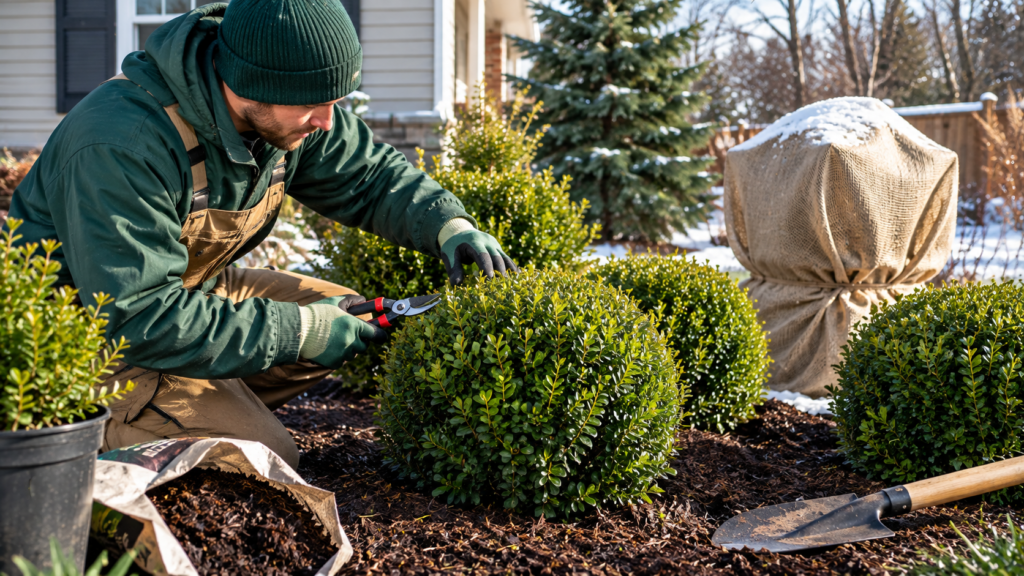
Winters in Buffalo can bring frigid temperatures, copious amounts of snow, and strong winds. Thus, protecting plants in this season will be crucial for survival. To minimize winter injury, burlap or frost cloth can be used to protect shrubs and flowers.
Mulch placed around the roots of plants serves as insulation from freezing temperatures as well. Whenever possible, container plants should be brought indoors or placed in a sheltered area.
Winter is also the time to plan next year’s garden. Most seasoned gardeners spend the cold months researching new plants, working out better layouts, and ordering seeds ahead of time.

Why Emerald Green Arborvitae Is Clarence’s Favorite
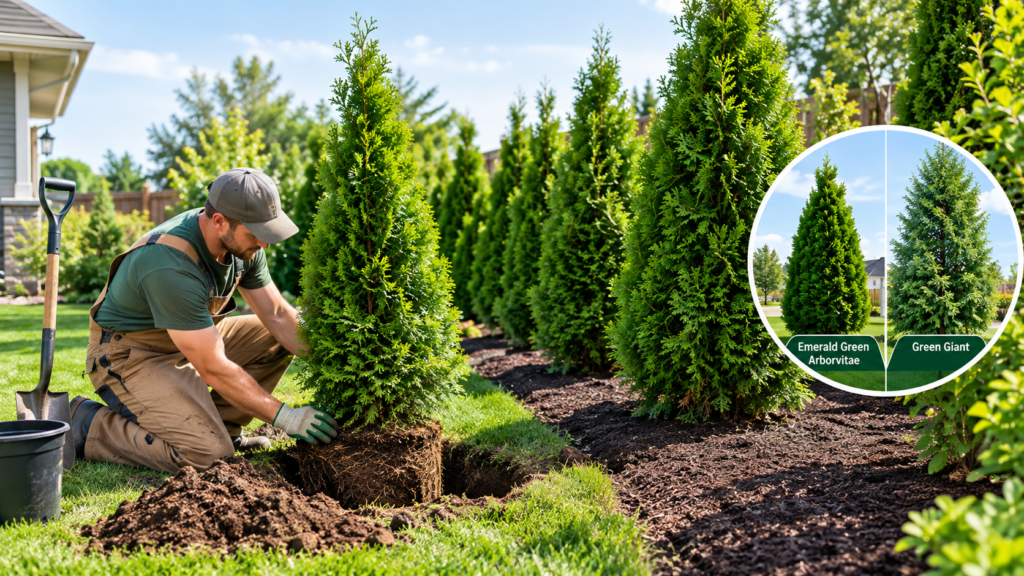
Discover why Emerald Green Arborvitae remains one of the most popular landscape plants in Clarence, NY. Learn about its privacy benefits, year-round color, low maintenance requirements, and versatility in residential landscapes.
Continue Reading →
How to Winterize Garden Beds with Screened Topsoil & Compost
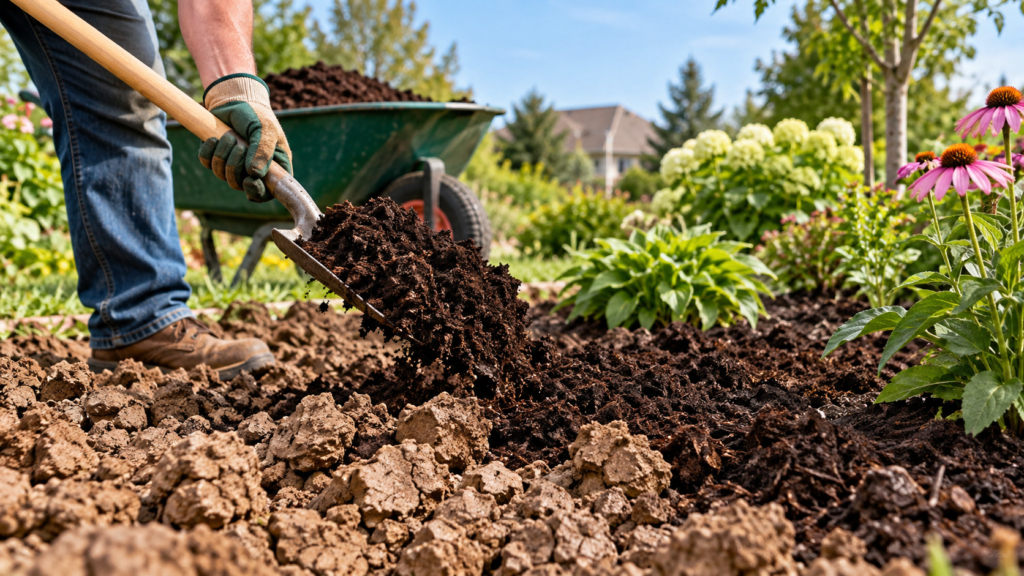
Prepare your garden for Buffalo’s winter weather with screened topsoil and compost. Learn how proper soil preparation helps protect plants, improve soil health, and promote stronger growth in the spring.
Continue Reading →Best Plants for Buffalo Climate
Selecting appropriate plants is one of the most critical components of gardening buffalo ny. As Buffalo has cold winters and humid summers, hardy plants typically perform better.
Hostas, coneflowers, black-eyed susans, and day lilies are all productive in local gardens. Shrubs like hydrangeas and boxwoods are able to withstand Buffalo’s weather conditions and add structure and beauty to the landscape.
Tomatoes, peppers, beans, and zucchini are also popular vegetables in the summer. To avoid maintenance problems and help build confidence, a novice gardener should start with a beginner gardening guide that recommends only easy-to-grow plants.
Common Beginner Mistakes
New gardeners often make basic mistakes that can harm plants. One is too much water. Overwatering is harmful to roots and can promote disease. Another common error is not knowing the sunlight needs when planting. Some plants are sun lovers, and others are shade lovers.
Failing to pay attention to local weather can also lead to problems for novices. Knowing Buffalo’s climate and having the right seasonal gardening tips can save plants from dying out unnecessarily.
The other error is planting too closely. Plants that are crowded compete for nutrients, sunlight, and air flow, which heightens the chances of disease. Good design allows for healthier growth and easier maintenance.
Maintenance Schedule for Year-Round Gardening
It takes yearlong attention to keep a garden healthy. Spring is for cleaning, planting, and fertilizing. Summer is watering, pruning, and pest control. Autumn is for getting plants ready for winter and preparing the soil. Winter is primarily for shelter and strategy.
A regular maintenance schedule also keeps gardens healthy and good-looking year-round. Care taken by homeowners over time generally produces more and better flowers, healthier plants, and larger vegetable crops.
For expert help with gardening buffalo ny, look no further than KD Nursery. We focus on good plants, good gardening advice, and seasonal recommendations that work for Buffalo. When you choose us, you receive reliable local knowledge that will ensure a gorgeous and thriving garden all year long.
FAQs
What is the best time to start gardening in Buffalo NY?
The best time to start gardening in Buffalo is typically in the spring after the last frost has passed. Warmer soil temperatures help plants establish strong roots and healthy growth. Checking local frost dates can help you determine the ideal planting schedule for your garden.
Which plants grow best in the Buffalo climate?
Buffalo’s climate supports a variety of hardy flowers, shrubs, and vegetables. Popular choices include hostas, hydrangeas, coneflowers, tomatoes, peppers, and other plants that can tolerate seasonal temperature changes. Selecting climate-appropriate plants improves growth and long-term success.
How often should I water my garden in summer?
Most gardens benefit from deep watering two to three times per week during the summer months. Deep watering encourages stronger root systems and helps plants withstand hot weather. The exact frequency may vary depending on rainfall, soil type, and plant needs.
Why is mulch important for gardening?
Mulch helps retain soil moisture, reduce weed growth, and regulate soil temperature throughout the growing season. It also protects plant roots from extreme weather conditions and can improve the overall appearance of garden beds. Organic mulch may also enrich the soil as it decomposes.
What are the best gardening tips for the Buffalo climate?
Successful gardening in Buffalo starts with choosing plants suited to the local climate and understanding seasonal weather patterns. Monitoring frost dates, applying mulch, and watering appropriately can help plants thrive. Proper soil preparation and regular maintenance are also important.
Can I garden during Buffalo winters?
While outdoor planting is limited during winter, it is an excellent time to prepare for the upcoming growing season. Gardeners can plan layouts, order seeds, protect existing plants, and perform maintenance tasks. Winter preparation often leads to healthier gardens in the spring.
What is the easiest vegetable for beginners to grow?
Tomatoes and zucchini are among the easiest vegetables for beginner gardeners to grow. They are relatively low-maintenance, produce abundant harvests, and adapt well to Buffalo’s growing season. With proper sunlight and watering, they can thrive in most home gardens.
How can I protect plants during winter?
Protecting plants during winter can be done by applying mulch around the base, using burlap covers, and placing sensitive plants in sheltered locations. These measures help reduce damage from freezing temperatures, wind, and snow. Proper winter protection can improve plant survival and spring growth.