The barberry plant is an excellent, rugged, and ornamental shrub for tough winters. Its colorful leaves are low-maintenance, an advantage for homeowners living in Buffalo, NY. But, to keep it healthy and vibrant year-round, there are a few steps to follow. In this guide, we will cover everything you need to know about barberry plant care, especially if you want to successfully grow barberry in Buffalo, NY.
Ideal Growing Conditions for Barberry Plants
While it is resilient, the barberry plant does have its ideal growing conditions. This shrub is hardy and has also demonstrated freeze hardiness in the cold climate of Buffalo.
Barberry can grow in full sun to partial shade. They tolerate some shade, but they look their best color-wise when they get plenty of sun. Make sure the soil has good drainage since wet soil can cause root issues. Sandy or loamy soils are preferable, but the plant can adapt to suboptimal soil conditions.
Barberry planting requires some planning for location so that the shrub has space to spread. Good air circulation can also help prevent diseases, which is important in humid summer months.
Watering, Fertilizing & Soil Care Tips
Watering is an essential component of barberry plant care. New shrubs require adequate water to become established. Once established, mature barberry bushes are drought-tolerant and require less frequent watering. Excessive watering should be avoided because it can harm the roots.
The barberry plant does not require much fertilizing; if desired, a balanced fertilizer may be applied in early spring. Organic compost may also enhance soil quality and nutrients.
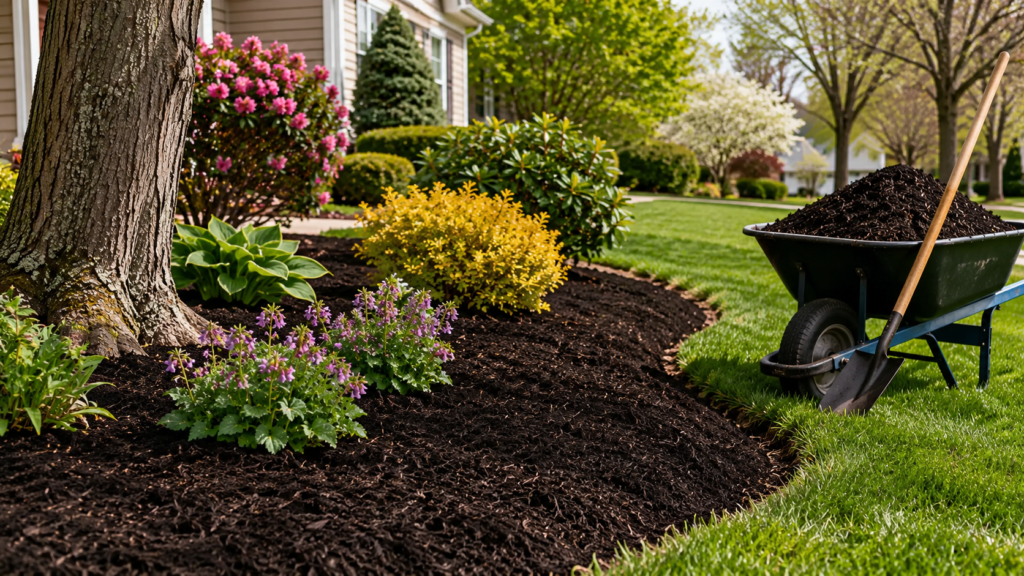
The soil should be kept loose and well-drained. Mulch is beneficial too, as it retains moisture and regulates temperature, which is useful when you grow barberry Buffalo NY, with varying weather.
Pruning Techniques for Healthy Growth
Pruning is important in keeping your barberry plant healthy and shaped. These shrubs can grow dense and spiky, so they need to be trimmed regularly.
The ideal time to prune is late winter or early spring, before the new growth begins. Begin by removing any dead, damaged, or diseased branches. Then, shape the plant to your liking. Occasional pruning during the growing season will also help keep it tidy.
Proper spacing during barberry planting will help future pruning. This avoids crowding and provides for uniform growth of individual shrubs.
Seasonal Care Guide for Buffalo Weather
Buffalo has cold winters, mild springs, and warm summers. The barberry plant is hardy, but there is a world of difference in seasonal care.
Fertilizing should be done in spring, and pruning should be done at this time as well. This is when the plant begins to grow. Water moderately in the summer, particularly in dry periods. Fall is a good time to lightly trim it and prepare it for the winter.
When you grow barberry Buffalo NY, winter care is essential. The plant is one of the hardiest shrubs for cold climates, but protection will help its longevity.
Common Pests & Diseases and Prevention
The barberry plant is a popular choice because it is typically resistant to pests and diseases. But it is not entirely protected from it.
Spider mites and aphids occasionally make an appearance. They can be controlled using insecticidal soap or by hosing them off. It is important to provide proper drainage and space, as too much moisture can result in fungal diseases.
Most problems can be avoided with good barberry plant care, including regular inspections and pruning.
Annual Maintenance Cost for Barberry Plants
Another favorable aspect of the barberry plant is its low cost of maintenance. Once it’s established, all it needs is some water, a little fertilizer, and annual pruning.
The average annual cost is relatively low compared to other landscaping plants. These might include mulch, fertilizer, or simple tools. Professional assistance can be recommended with an increase in cost, but on the whole, it is a fairly inexpensive landscaping alternative.
Selecting professionals such as KD Nursery will help to ensure that barberry planting is done correctly and maintained properly so that you do not have to waste time and effort later.
Mulching & Winter Protection Tips
Mulching can be very beneficial for the barberry plant, particularly in cooler climates. Mulch keeps moisture in the soil, reduces weed growth, and insulates plant roots from high temperatures or frost.
In Buffalo winters, it’s good to pile extra mulch around the base so the plant does not get frost-damaged. The shrub is one of the hardiest shrubs for cold climates, but young plants may require some protection in extreme cold, such as burlap wrapping.
If you hope to grow barberry Buffalo NY, in your landscapes, it is important to prepare for winter properly.
Signs Your Barberry Needs Professional Care
Although the barberry plant can take care of itself, there are times when you need to call in a pro. When leaves drop, discolor, or are stunted, and pests appear and won’t go away, seek help.
KD Nursery can help you with the proper barberry plant care so that you can avoid any unnecessary stress.
When you select KD Nursery, you’re choosing experienced professionals who not only understand climate issues in the region but also know how to keep your shrubs thriving and looking great.
FAQs
What is a barberry?
A barberry plant is a hardy shrub with colorful foliage that can withstand cold weather.
How much water should I give to my barberry plants?
Water regularly when newly planted, but once established, reduce watering.
Can I grow barberry in the Buffalo NY, climate?
Yes, you can grow barberry in Buffalo NY because it is cold-tolerant.
When should barberry be planted?
Barberry planting should be done in the spring or fall.
Do barberry plants require full sun?
They prefer full sun but can tolerate some shade.
Is barberry easy to grow?
Yes, they are low maintenance, making them one of the best hardy shrubs for cold climates.
How do I prune barberry?
Prune in late winter or early spring to remove dead branches and to shape the plant.
What types of pests will attack barberry?
Common pests include aphids and spider mites, but they are not hard to control.