Every homeowner staring at a bare patch of yard eventually asks the same question.
Which one holds up better, river rock vs pea gravel? We’ve spread both stones by the truckload, in driveways that flood every spring and drainage beds that need to work every time it rains. Each stone has a job it does well and a job it does poorly.
Pick the wrong one for a walking path, and you’ll be picking gravel out of your shoes for months. Pick the wrong one for a drainage bed, and you’ll watch water pool right where you didn’t want it. This guide breaks down the real differences so you can match the stone to the project instead of guessing.
At KD Nursery, we get this question almost every week. Here’s what years of installs have taught us.
Cost
Pea gravel usually costs less than river rock.
Small stones are cheaper to quarry and easier to move by the ton, and that savings gets passed to you at the yard. River rock costs more because each stone is naturally tumbled and sized, which takes more sorting before it ever reaches a truck.
On a typical driveway border or patio edge, pea gravel might run several dollars less per cubic yard than comparable river rock. For a large drainage bed or a wide walkway, that price gap adds up fast. Both stones still cost less than pavers or poured concrete, so neither one breaks the budget compared to hardscaping.
If your budget is tight and the area is large, pea gravel usually wins. But don’t let price alone make the call, because the wrong stone in the wrong spot costs you more down the road.
We’ve had customers save money upfront on pea gravel for a driveway, only to call us back a year later once it scattered into the lawn and the grass line. Factor in delivery, base prep, and edging when you’re pricing either option, since those costs often matter more than the stone itself.
Drainage
This is where the two stones really split apart.
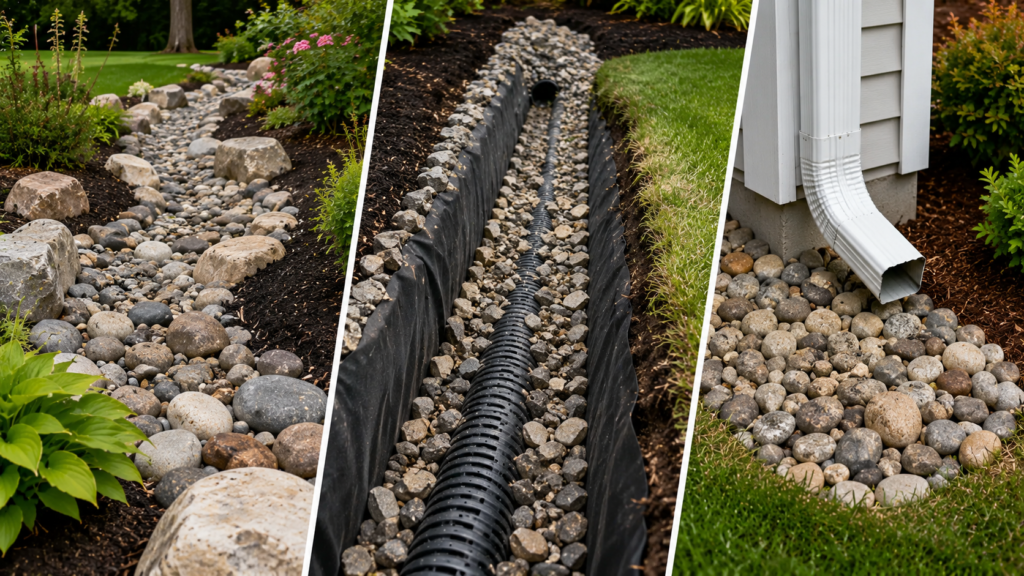
Pea gravel is small, rounded, and loose, which lets water pass through quickly without much resistance. That makes it a strong pick for French drains, downspout beds, and anywhere water needs to move fast and disappear underground.
River rock, especially the larger sizes, drains well too, but it settles more and can dam up if it isn’t laid with enough slope.
We’ve fixed more than one drainage bed where river rock was packed too tight against a foundation and water backed up instead of running off. When drainage is the main goal, pea gravel is usually the safer choice, especially in tighter spaces.
Either stone can handle drainage duty if it’s installed right. The stone matters less than the grading underneath it.
We always check the slope before we recommend either material, because even the best decorative gravel won’t fix a low spot that was never graded to shed water in the first place.
Walkability
Nobody wants to twist an ankle on their own front walk.
Pea gravel shifts underfoot because the stones are small and round, so bare feet and bike tires sink into it a little. That’s fine for a garden path where you’re strolling, but it gets old fast on a walkway you use daily. River rock, especially medium and large sizes, sits heavier and holds its position better, giving you firmer footing.
Wheelchairs, strollers, and wheelbarrows all move more easily over a well-packed river rock surface than loose pea gravel. Neither stone is as stable as pavers, so if heavy daily traffic is the priority, that’s worth weighing too.
For a path people use every day, lean toward river rock. Save pea gravel for the spots people visit, not the spots people live on.
Aesthetics
Looks matter, and this part comes down to taste.
Pea gravel comes in a mix of earth tones, tan, brown, and gray, and it gives a soft, textured look that fits casual garden beds well. River rock tends to run larger and rounder, with more color variation from deep gray to rust, and it reads as more substantial and natural.
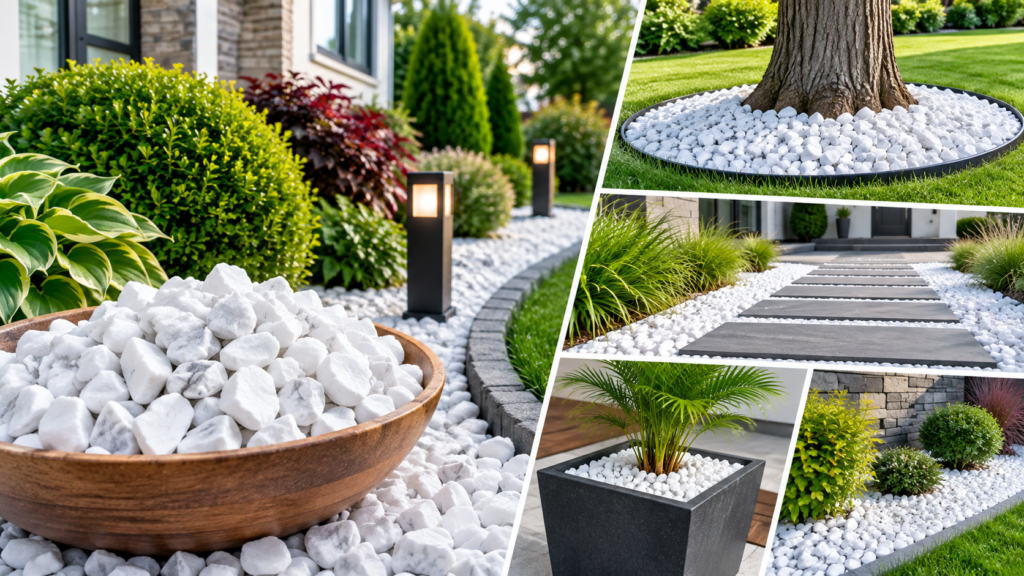
Plenty of homeowners pair the two, using river rock as a border and pea gravel to fill the middle of a bed. That contrast in size and color adds depth without looking busy. Both stones hold their color for years, unlike mulch that fades and breaks down over a season or two.
There’s no wrong answer here, only what fits your house and your yard. Walk your property and picture both before you commit to a truckload.
A sample bucket of each stone next to your siding or brick tells you more than any photo online, since lighting and undertones shift the color more than most people expect.
Best Use by Project
Matching the stone to the project is really the whole game. It’s the first question our crew at KD Nursery asks before we load a single yard of stone.
Use pea gravel for French drains, potted plant drainage, playground surfacing, and casual garden paths where comfort matters more than firm footing. Use river rock for dry creek beds, foundation borders, erosion control on slopes, and any spot that sees regular foot or wheel traffic.
Driveways usually call for larger river rock or crushed stone, since pea gravel scatters too easily under tires. Raised beds and containers do well with a layer of pea gravel at the bottom for drainage. If you’re weighing crushed stone vs river rock for a driveway specifically, crushed stone locks together tighter and holds up better under vehicle weight.
When in doubt, think about what the space needs to do first. The right decorative gravel choice follows from that, not the other way around.
Slopes and heavy traffic areas usually need the larger, heavier stone regardless of style preference, since a lightweight stone just won’t stay put once water or foot traffic gets involved.
Both stones earn their place in a well-planned yard.
The real decision comes down to what that section of your property needs to do: drain water, hold foot traffic, or simply look good. Running a quick landscaping stone comparison side by side makes the choice obvious once you know what each stone is built for.
We’ve installed both across dozens of properties in this area, and the failures we’ve had to fix almost always trace back to the wrong stone in the wrong spot, not a bad batch of gravel. Take the time to match the material to the job, and either stone will hold up for years. That’s the difference between a yard that looks good for a season and one that holds up for good.
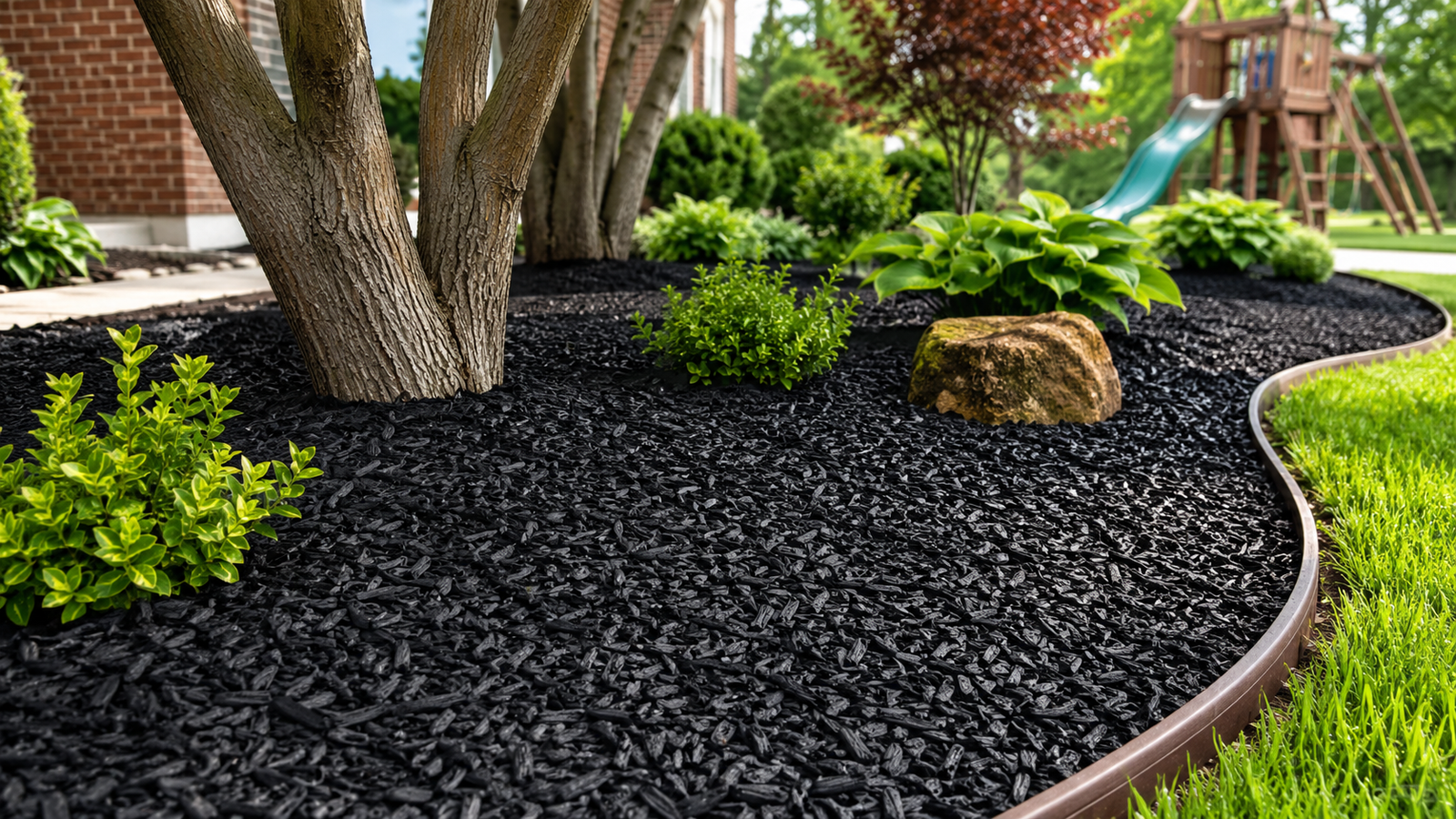
Rubber Mulch Near Me: Benefits, Costs & Buying Guide
Learn about rubber mulch for playgrounds, garden beds, landscaping projects, and commercial properties. Explore its benefits, costs, durability, maintenance needs, color options, drainage, and important factors to consider when choosing and purchasing rubber mulch in Western New York.
Continue Reading →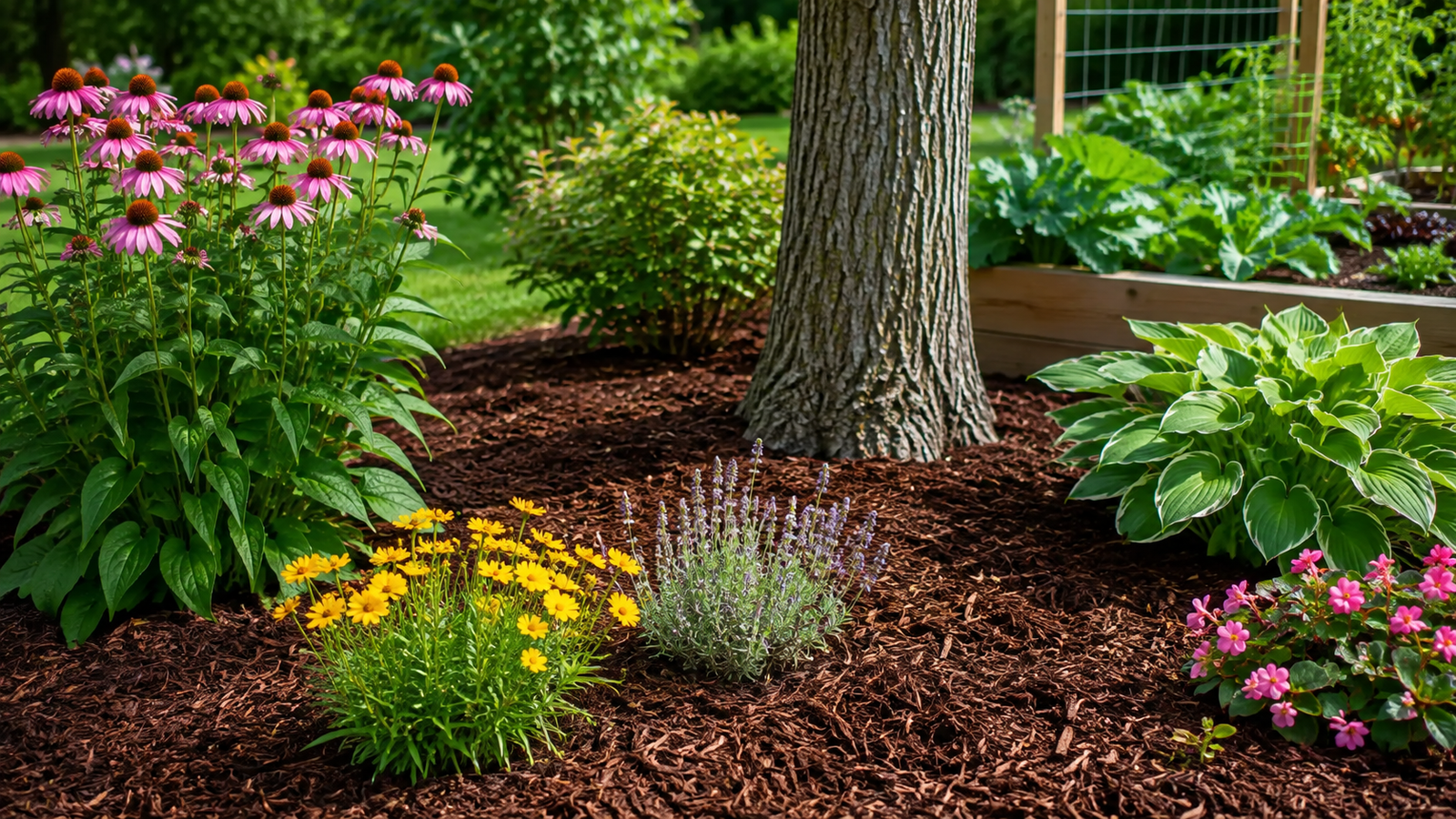
Best Mulch for Flower Beds, Trees & Vegetable Gardens
Discover how to choose the right mulch for flower beds, trees, shrubs, and vegetable gardens. Compare mulch types based on moisture retention, weed control, soil protection, appearance, maintenance, and seasonal performance for healthy and attractive landscapes.
Continue Reading →If you’re still weighing pea gravel vs river rock for your own project, walk the space with someone who’s installed both before. The team at KD Nursery is glad to help you figure out which stone actually fits your yard.
FAQs
What’s the main difference between river rock and pea gravel?
Pea gravel is small, rounded, and inexpensive, best for drainage and casual garden paths. River rock is larger, heavier, and more decorative, better suited for borders and areas with regular foot traffic. Both drain well, but they behave differently underfoot and cost different amounts per yard.
Which is cheaper, river rock or pea gravel?
Pea gravel usually costs less because the stones are smaller and easier to source in bulk. River rock costs more due to the extra sorting and sizing involved. For large areas, that price difference adds up fast, so budget plays a real role in the decision.
Is pea gravel or river rock better for drainage?
Pea gravel generally drains faster since the small, loose stones let water pass through easily. River rock drains well too but can settle and slow water flow if it isn’t graded properly. Either stone works fine when installed with the right slope and base underneath it.
Can I mix river rock and pea gravel in the same yard?
Yes, plenty of homeowners use river rock as a border and pea gravel to fill garden beds. The contrast in size and color adds visual depth to the space. Just keep drainage needs in mind, so water still moves the way it should through each area.
Which stone is safer to walk on?
River rock sits heavier and holds its position, giving firmer footing for paths people use daily. Pea gravel shifts underfoot, which feels loose for strollers, wheelbarrows, or bare feet. For a walkway used every day, river rock is usually the more stable, comfortable choice overall.
Do I need landscape fabric under river rock or pea gravel?
Yes, in almost every case we’ve handled. Landscape fabric blocks weeds from pushing through and keeps the stone from sinking into the soil over time. Skipping this step is one of the most common mistakes we see in yards where gravel needs replacing too early.
How long does river rock or pea gravel last?
Both stones last for decades since they don’t break down the way mulch does. River rock holds up slightly better under heavy traffic because of its size and weight. Pea gravel may need occasional topping off in high-traffic spots where the stones scatter or sink.