Why Landscape Stones Are a Popular Choice in New York
Walk through any established neighborhood in Western New York, and you’ll spot the same problem eventually catching up to every homeowner.
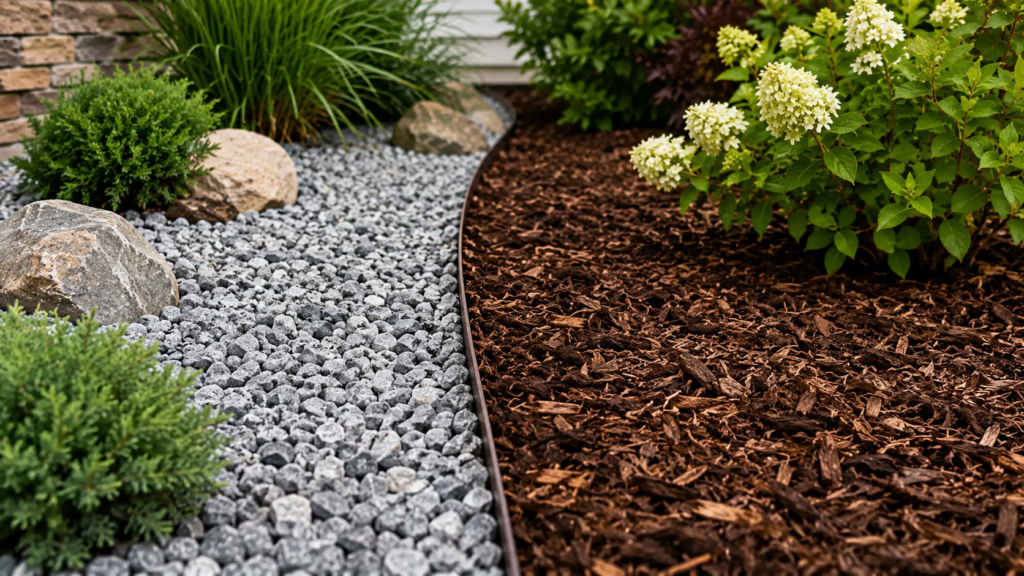
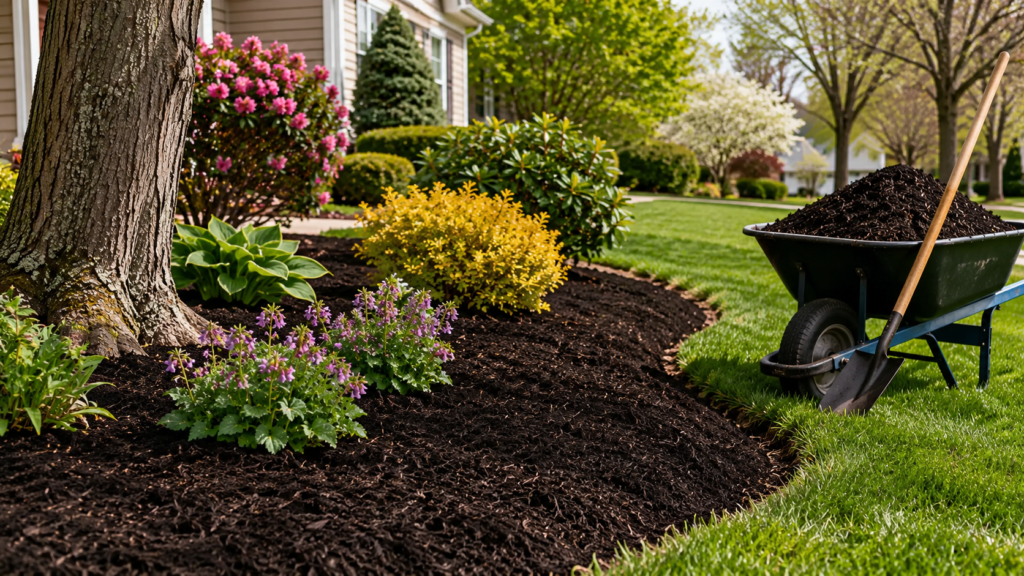
Grass struggles where the shade is heavy, mulch breaks down faster than anyone expects with our humidity swings, and clay soil holds water long after a storm has passed.
Landscape stones NY homeowners are turning to solve exactly these headaches, because rock doesn’t rot, doesn’t need mowing, and doesn’t wash away in a normal spring thaw.
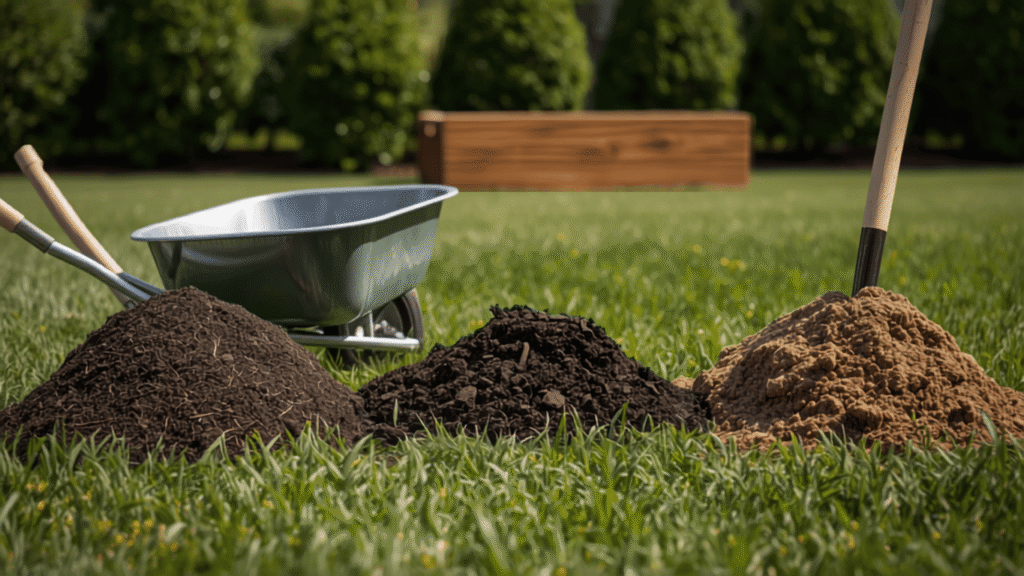
At KD Nursery, we’ve pulled soggy mulch out of beds in April more times than we can count, replaced it with proper stone, and watched that same spot stay clean through the next five winters.
Erie County’s freeze-thaw cycles are brutal on softer materials, but crushed stone and river rock shrug them off. That durability is the real reason stone has become the go-to answer for yards from Amherst to the Southtowns.
It’s not just practical either. Stone gives a yard structure, something grass alone can’t hold onto once November hits.
Different Types of Landscape Stones Explained
Not all stone does the same job, and picking the wrong one is where most DIY projects go sideways. Knowing the difference before you buy saves you from redoing the work a year later. We’ve been called out to fix more than one project where someone used pea gravel as a base material, and it just doesn’t hold up.
To help you get it right the first time, here is how the most common landscape stones actually perform.
1. Ground Cover & Decorative Stone
When choosing decorative stones for the yard, most homeowners are looking primarily for a clean appearance, rich colors, and unique textures. These stones make excellent top-dressings, but because they don’t lock together, they should never be used as a structural base.
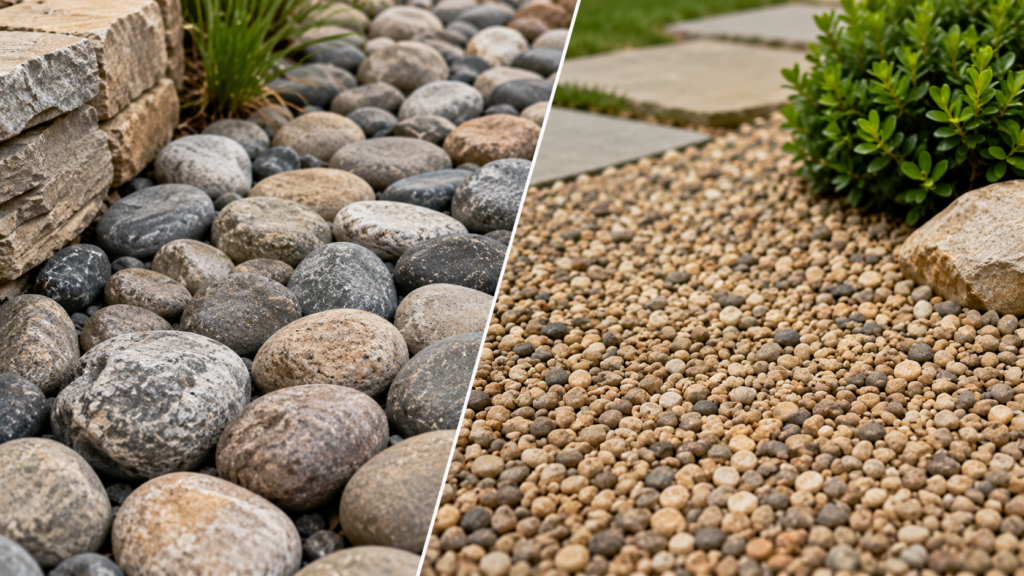
- River Rock (2-inch to 5-inch): Smooth, rounded, and visually clean. It works beautifully as a top-dressing in landscape beds and around water features where both appearance and drainage matter.
- Pea Gravel: Smaller, rounded stones that look tidy in flower beds. However, because they are round, they roll like marbles underfoot and will easily migrate out of bounds if not properly edged.
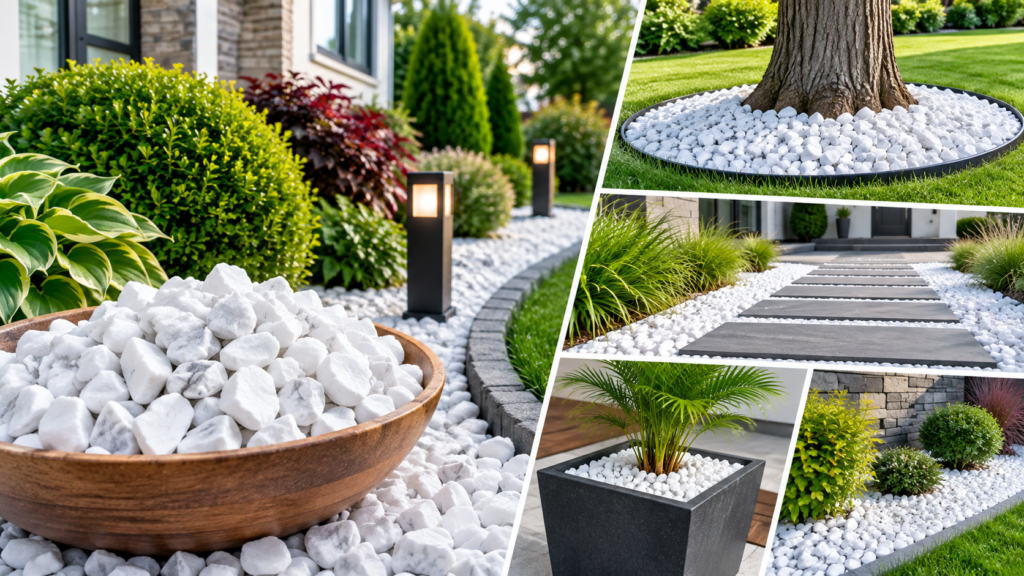
- White Marble: Visually bright and highly decorative. It is best used in formal beds and accent areas where you want a sharp contrast against dark soil or green plantings. Like pea gravel, it requires solid edging to stay in place.
- Mexican Beach Pebbles & Lava Rock: Premium choices selected almost entirely for their distinct colors and unique textures rather than structural function.
2. Structural Base & Compactable Stone
If you are building a driveway, patio, or walkway, you need angular stones that lock together. Rounded stones will shift under pressure, but these will stay put.
- Crushed Stone (Crusher Run): This material contains both crushed stone and “fines” (stone dust). It packs down incredibly tight, making it the ideal sub-base under patios or walkways because it locks together instead of shifting underfoot.
- 1-Inch Crusher Run (with Fines): Unlike clean, single-size gravel, crusher run contains a mix of fractured stone and stone dust (“fines”). When vibrated or tamped down, the dust fills the gaps between the rocks to lock them together almost as hard as concrete, making it the essential sub-base for heavy-traffic driveways and walkways.
- 2-Inch Crusher: A coarser, larger angular stone used for heavy-duty base applications and foundation drainage layers.
3. High-Flow Drainage Stone
When water movement is your primary priority, like in a French drain or around a foundation, you need washed, single-size stones with no tiny particles (“fines”) to clog the system.
- Clean No. 1: A large, washed single-size stone. Because there are no fines to block the gaps, it drains water incredibly fast, making it the go-to choice for utility drainage and French drains.
- Clean No. 2: Slightly larger than Clean No. 1, this washed stone is used in deep drainage beds, pipe bedding, and areas needing high-volume water flow without any risk of clogging.
4. Hardscaping & Structural Stone
- Bluestone & Fieldstone: These fall into a different category entirely. Whether naturally gathered or cleanly cut, these are structural pieces used for stepping stones, retaining walls, walkways, and heavy edging rather than loose ground cover.
Landscape Stone Costs: What to Expect in NY
Stone pricing in New York varies more than people expect, and location plays a bigger role than most realize.
Bulk crushed stone or river rock usually runs somewhere between $45 and $100 per cubic yard delivered, depending on the type and how far the yard is from the quarry. Bagged decorative stone at a garden center costs more per pound, sometimes three or four times as much, but it’s easier for a small bed or a weekend project.
Bluestone for a walkway or patio can run $8 to $20 a square foot installed, with irregular flagstone patterns costing more in labor than straight-cut pieces. Delivery fees add up fast if your driveway or yard access is tight, something a lot of quotes leave out until the invoice arrives.
Labor for a proper stone installation, meaning excavation and a landscape fabric base, typically doubles the material cost.
None of these numbers is fixed, since fuel costs and quarry location shift pricing month to month. Get a written estimate before committing to any large delivery.
Choosing the Right Stone for Patios, Walkways, and Gardens
The stone that looks great in a magazine photo isn’t always the right one for your actual yard.
Patios need something with a flat, stable surface, which usually points toward cut bluestone, pavers set in stone dust, or tightly packed crushed limestone. Walkways benefit from stone that stays put even after repeated foot traffic and snow shoveling, so pea gravel alone is a poor choice without solid edging.
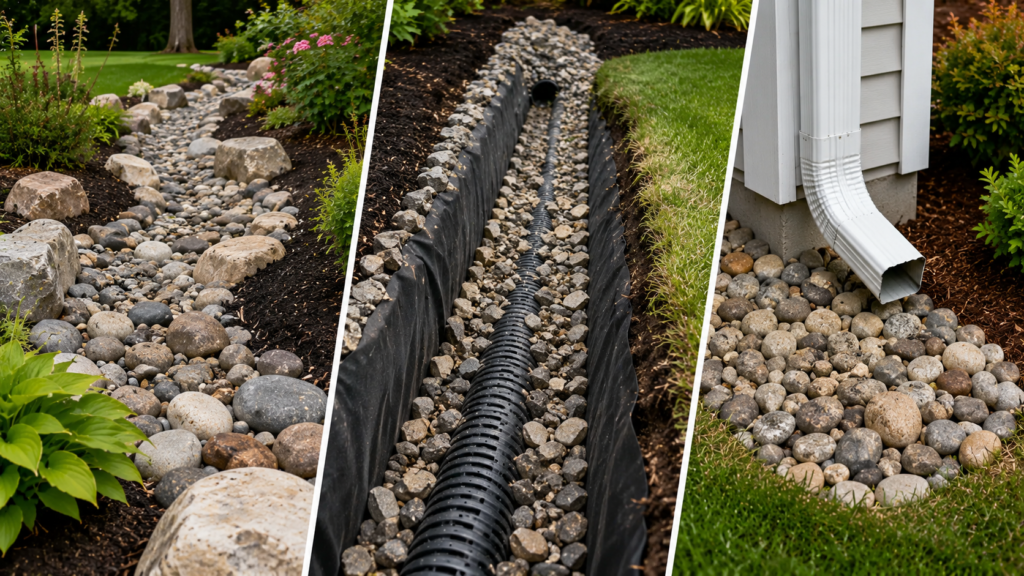
Garden beds have more flexibility, since decorative stones for yard borders mainly need to suppress weeds and hold moisture in the soil below. Drainage areas, especially near downspouts or low spots that pool after rain, do best with larger river rock that lets water pass through without shifting.
Color matters too, and lighter stone shows less staining from tree sap or leaf tannins under mature oaks and maples common across WNY yards.
Match the stone to what that part of the yard actually does. Looks matter less than function once the ground starts to freeze.
Creative Landscape Stone Design Ideas for Your Yard
Stone doesn’t have to sit in one flat, boring layer to do its job well.
- The WNY Dry Creek Bed: Use a blended mix of 2-inch and 5-inch native river rock to channel pooling water away from your foundation. Tucking shade-loving hostas or ferns along the edges turns a functional drainage ditch into a feature that looks like a natural woodland stream.
- Scorch-Proof Fire Pit Zones: Swapping out mulch for mixed-size river rock around a backyard fire pit handles heavy foot traffic and rogue embers safely. It eliminates the risk of scorched wood chips and stops your lawn mower from kicking up debris.
Stepping stone paths set into gravel beds create a clear route through a garden without the cost of a full paved walkway.
Layering two stone colors, a darker crushed base with lighter decorative accents on top, adds depth without much extra cost. Even a simple stone border edging a mailbox bed or tree ring gives a yard a finished look that mulch alone rarely achieves.
Small changes like these make a bigger difference than people expect. We’ve seen a single dry creek bed change how an entire front yard reads.
How Much Landscape Stone Do You Need?
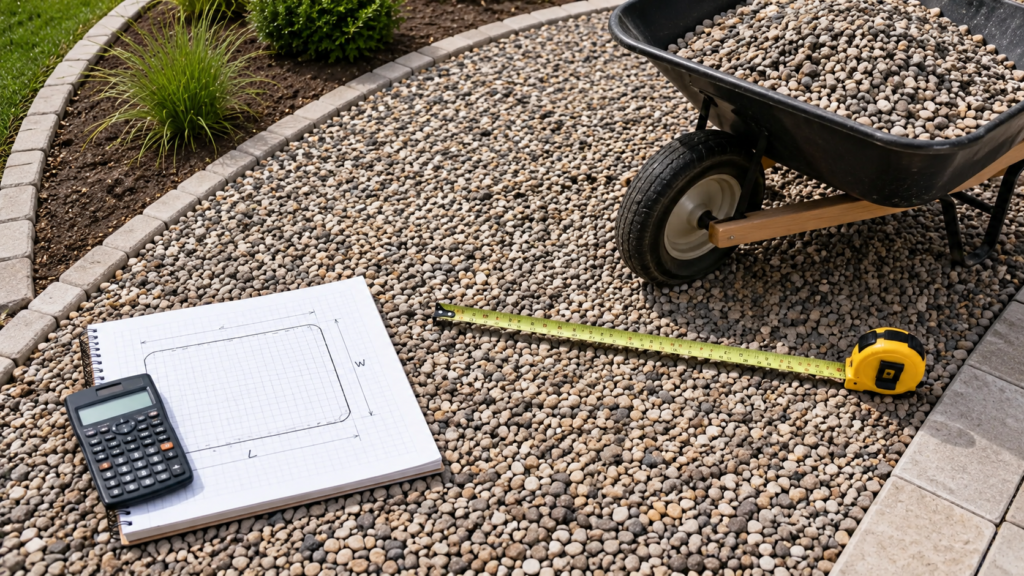
This is the step that trips up almost every DIYer. To avoid paying a second delivery fee or ending up with a permanent mountain of gravel in your driveway, use this simple three-step formula:
Step 1: Multiply the length by the width of your project area to get the total square footage.
Step 2: Multiply that square footage by your desired depth in feet (a standard 3-inch decorative layer is 0.25 feet; a 4-inch paver base is 0.33 feet).
Step 3: Divide that final number by 27 to find the total cubic yards you need to order.
The Quick Cheat Sheet: As a rule of thumb, 1 cubic yard of stone covers roughly 100 square feet at 3 inches deep. Always order about 10% extra, because settling and uneven soil will eat into your coverage faster than the math suggests.
Installation Tips and Maintenance Best Practices
Good installation is what separates a stone bed that lasts a decade from one that needs redoing in two years.
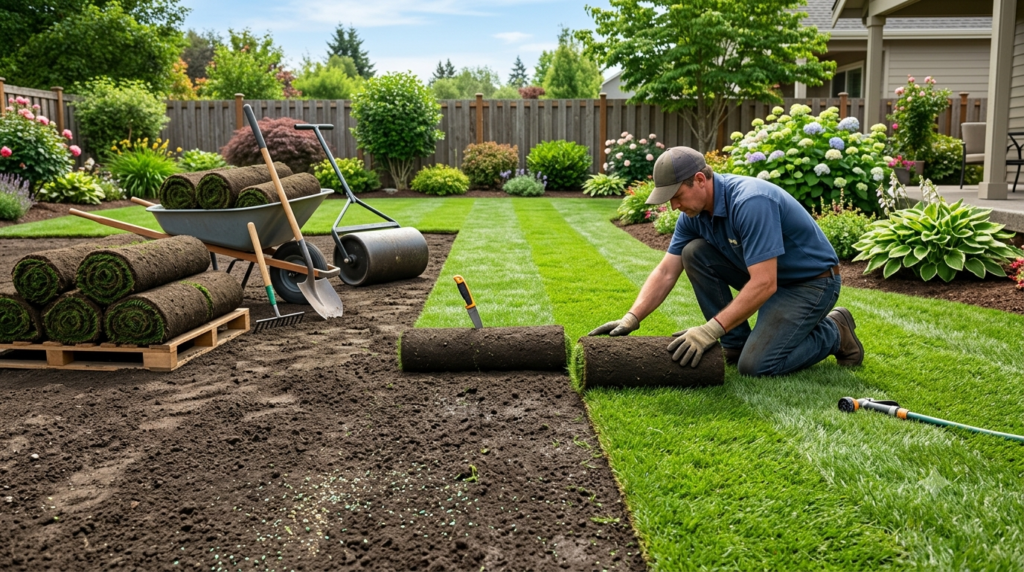
- Start with landscape fabric under any stone application, since skipping this step lets weeds punch through within a single growing season.
- Edging, whether metal, plastic, or stone itself, keeps gravel and stone landscaping contained instead of spreading into the lawn every time it rains hard.
- Compact the base layer before adding decorative stone on top, especially under any area that will see foot traffic or furniture.
- Rinse dusty stone before spreading it if you want the true color to show, since quarry dust dulls the look until the first rain washes it off.
- Once a year, rake beds to redistribute stone that’s settled and top off any low spots where the base has shown through.
- Leaves and debris should be blown out each fall before snow buries them, or you’ll be picking wet leaves out of gravel come April.
A little upkeep each season keeps the stone looking like it did on installation day.
Essential Garden Supplies in Clarence, NY for Every Home
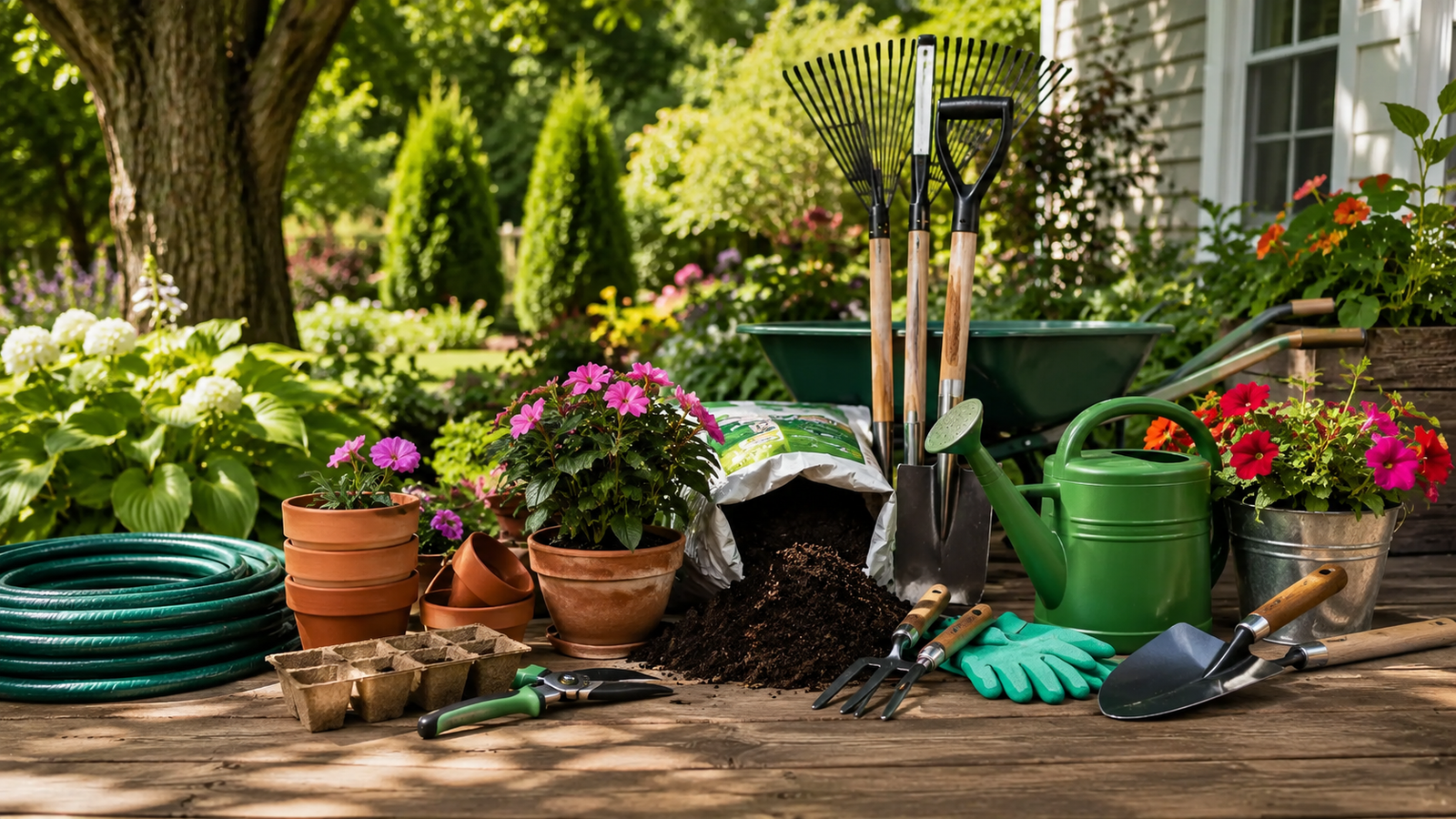
Explore the must-have gardening supplies for maintaining a healthy and beautiful landscape. Learn which soils, mulch, fertilizers, tools, and plant care products help homeowners create thriving gardens and attractive outdoor spaces throughout every season.
Continue Reading →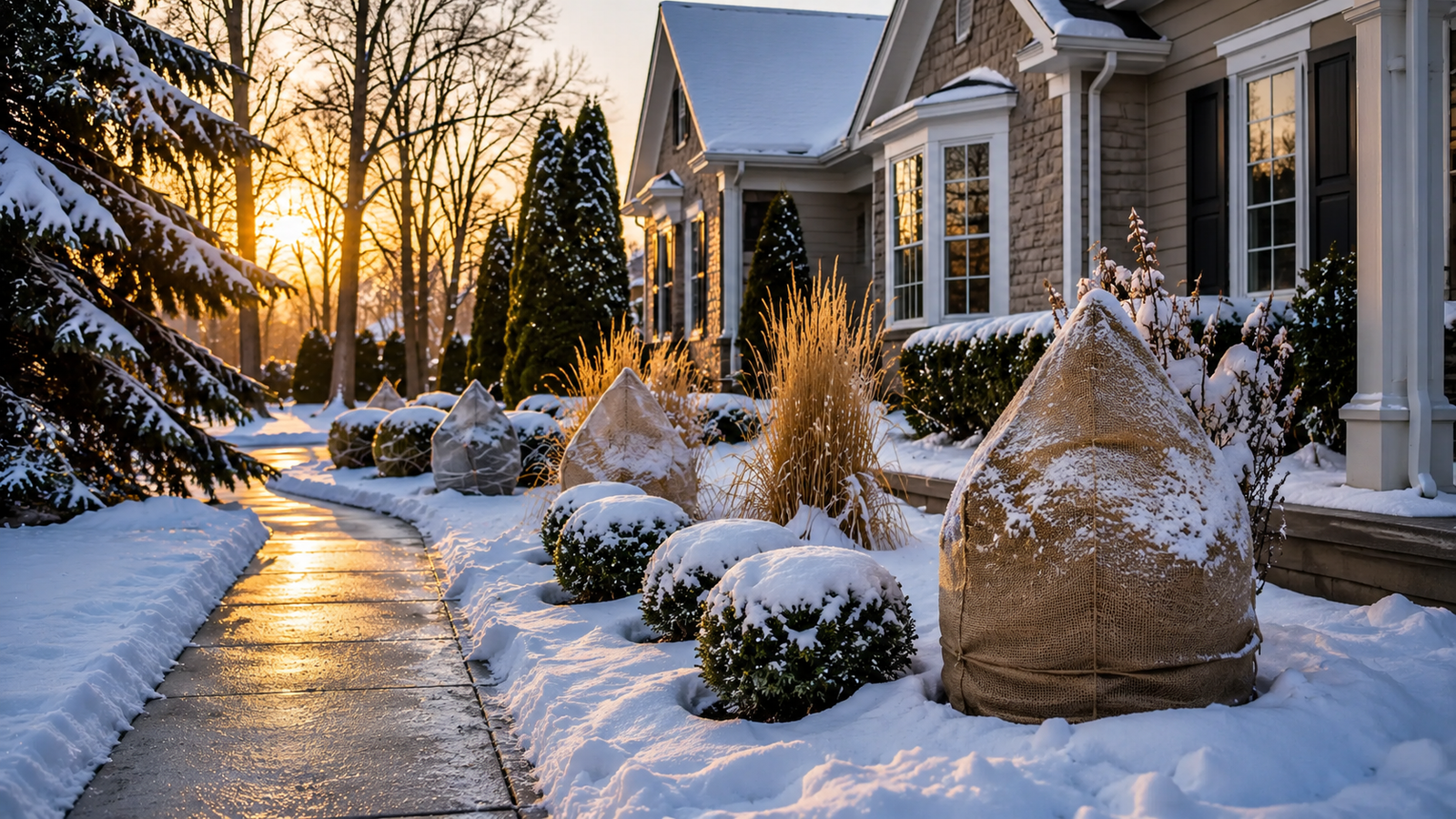
Winter Landscaping in Clarence: Snow Protection Guide
Learn practical ways to protect lawns, trees, shrubs, and planting beds from snow, ice, and freezing temperatures. Discover seasonal landscaping tips that help preserve healthy outdoor spaces and minimize winter damage until spring arrives.
Continue Reading →Where to Buy Landscape Stones in New York
Where you source stone matters almost as much as which type you pick.
Local quarries and stone yards across Western New York typically offer better pricing on bulk orders than big box stores, along with staff who actually know regional stone types. Garden centers are a solid option for smaller decorative quantities, bagged stone, or specialty colors you can’t get in bulk.
Delivery radius affects price, so a yard closer to your property often beats a slightly lower price from farther away once delivery fees are added in. Always ask to see a sample in person before ordering, since stone color can look different in photos than it does piled in your yard.
KD Nursery works with regional suppliers across the area and can help match the right stone type to your project and budget.
A quick phone call to a few local yards before buying saves money and headaches. It’s worth the twenty minutes.
FAQs
How long do landscape stones last?
Properly installed landscape stone with fabric underneath and solid edging can last 15 to 20 years or longer. Unlike mulch, it doesn’t break down, though it may need occasional raking and topping off as it settles or shifts over time.
Do I need landscape fabric under stone?
Yes, in almost every case. Fabric blocks weed growth and keeps stone from sinking into the soil below. Skipping it means weeds pushing through within a season, especially in WNY’s clay-heavy ground, where drainage is already slow.
What’s the cheapest landscape stone option?
Crushed stone and pea gravel are generally the most affordable options, especially when bought in bulk rather than bagged. Pricing shifts based on quarry distance and delivery access, so a local supplier often beats a big box store on cost.
Can landscape stone help with drainage?
Yes, river rock and larger stone sizes are commonly used in low spots and near downspouts to manage water without erosion. A dry creek bed design moves water away from the foundation while doubling as a design feature.
How often does landscape stone need maintenance?
Plan on raking beds once or twice a year to redistribute settled stone and clearing fall leaves before snow arrives. Beyond that, stone needs far less upkeep than mulch, which typically requires replacing every one to two years.
What stone works best for a walkway?
Cut bluestone or tightly packed crushed limestone holds up best under regular foot traffic and winter shoveling. Loose gravel alone tends to shift and scatter without solid edging, making walkways uneven within a year or two.
Is landscape stone more expensive than mulch upfront?
Yes, stone typically costs more initially than mulch. However, since it doesn’t need yearly replacement, most homeowners find that it pays for itself within three to four years compared to ongoing mulch costs.
Whether you’re refreshing a flower bed, installing a new patio, or solving a drainage problem, our team at KD Nursery can recommend the right landscape stone for your project and arrange bulk delivery throughout Western New York.