Soil decides everything. You can buy the best seeds and build a beautiful cedar frame, but if what’s inside is wrong, the season goes sideways fast. Around Geneseo, we see this every spring. A homeowner builds a bed, fills it with whatever was cheapest, and by July the plants are stunted and the soil has sunk three inches.
Getting the mix right the first time saves money and a lot of frustration. This guide covers the best soil for raised garden beds in our area: what goes in, how deep to fill, what it costs, and where to buy it by the truckload.
The team at KD Nursery has helped local gardeners sort this out for a long time, and the advice below comes from that hands-on experience.
Why Western New York Needs Its Own Soil Advice
A lot of the native ground in Livingston County runs heavy. Many yards have silty or clay-rich soil that holds water, packs down, and warms slowly in spring. Some spots, especially near the Genesee Valley, have richer, deeper soil, but plenty of lots don’t. That’s one big reason people build raised beds here. A bed lets you skip the problem and start with something better.
Our weather matters too. Spring is cool and wet, and the last frost usually lands sometime in May. Summers can swing between dry spells and heavy storms. A good raised bed soil mix needs to drain after a downpour and still hold enough moisture to get through a hot week in August. The mix has to handle both, and that’s what a good recipe is built for.
The Ideal Soil Recipe
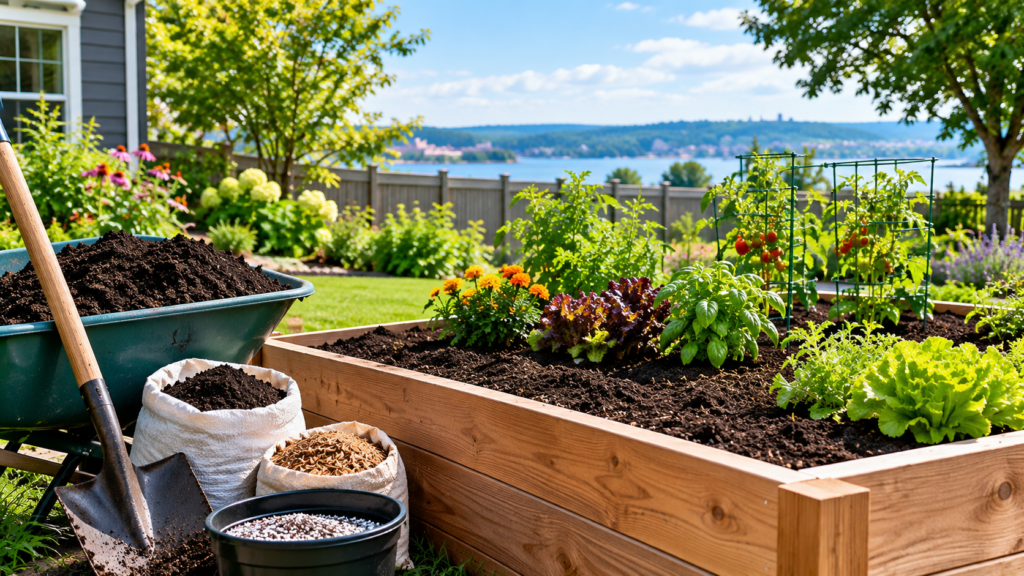
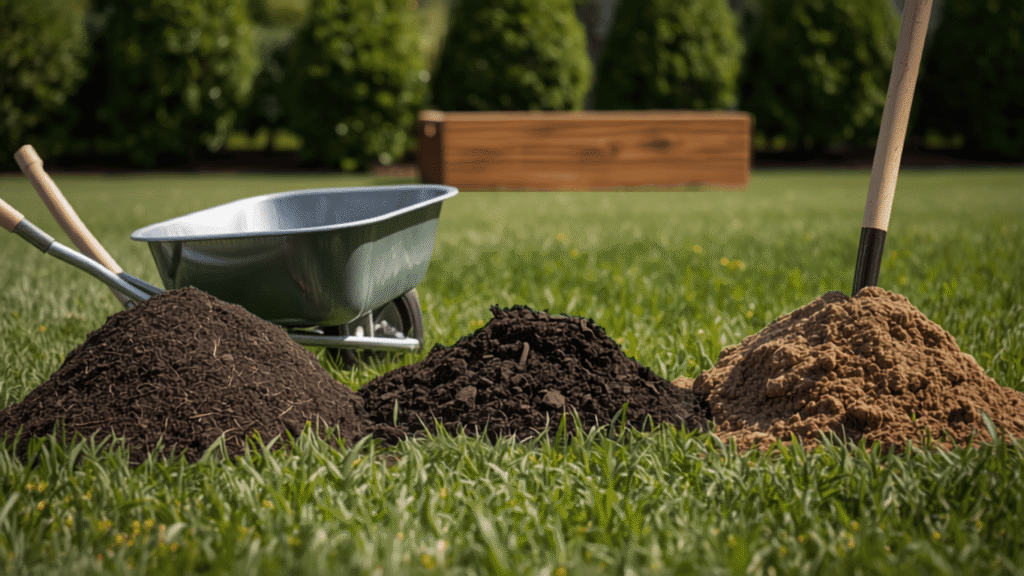
Here is the simple version. For most vegetable beds, we recommend roughly 50 to 60 percent screened topsoil, 30 to 40 percent finished compost, and about 10 percent something that adds air, like coarse sand, perlite, or fine aged bark. That’s a starting point, not a law. Adjust it a little based on your crops and your yard.
Some gardeners use a mix with peat moss or coconut coir, vermiculite, and compost in equal parts. It’s light and drains well, and it works nicely in small beds. The downside is cost, since those ingredients add up quickly in a large bed. For anyone filling several beds, a topsoil and compost blend is usually the more practical raised bed soil, and it grows great vegetables.
Whatever recipe you pick, the goal is the same: loose enough for roots to move, rich enough to feed plants, and stable enough that it won’t collapse by midsummer.
Topsoil and Compost: Getting the Blend Right
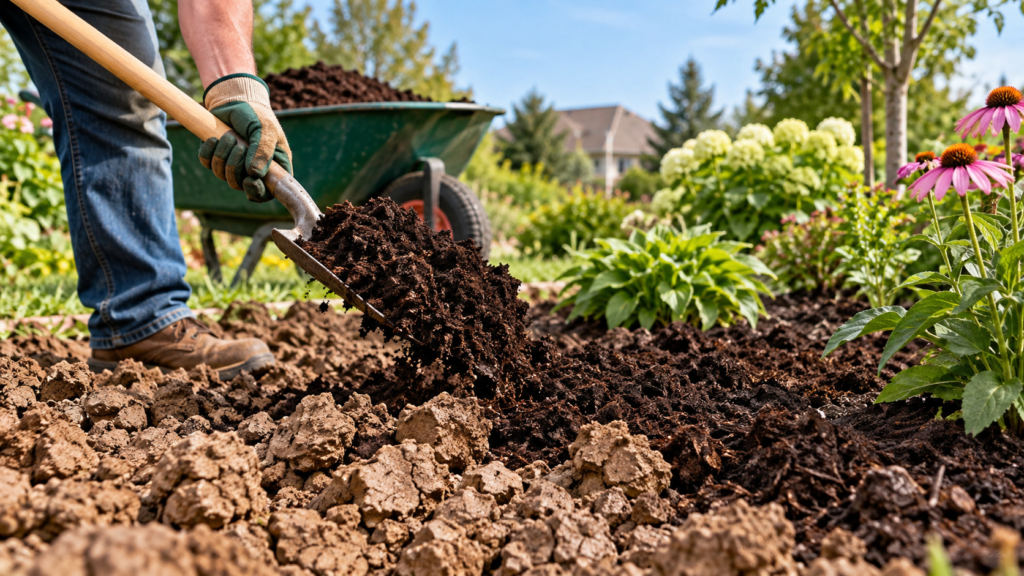
This part gets misunderstood. Topsoil gives your bed body. It holds nutrients and water, and it keeps the mix from shrinking too fast. But topsoil varies a lot from one supplier to the next. Good screened topsoil looks dark and crumbly and has no big rocks, clumps, or chunks of clay. If it arrives as a sticky, muddy lump, it’s not what you want.
Compost brings fertility and feeds the life in the soil. Good compost smells earthy, not sour or like ammonia, and it should look dark and broken down. You shouldn’t see lots of recognizable wood or leaves.
Here’s a point that surprises people. Pure compost on its own is not the best soil for raised beds. It can be too rich in salts, it can dry out in odd ways, and it breaks down quickly, so your bed settles. Blending it with topsoil gives you the benefits of both.
If you use manure-based compost, ask about its source. Herbicide residue in manure and compost is a known problem, and it can damage tomatoes, beans, and other crops. A reputable supplier should be able to tell you what’s in the product and where it came from.
How Deep Should a Raised Bed Be?
For most vegetables, 10 to 12 inches of soil is a solid target. Lettuce, spinach, radishes, and herbs will do fine at 6 to 8 inches. Tomatoes, peppers, carrots, potatoes, and garlic like more room, so 12 to 18 inches is better.
Keep in mind that most raised beds sit on the ground with no bottom, so roots can grow down into the native soil below. That’s a good thing. If you loosen the ground underneath with a garden fork before filling, the roots will reach deeper than the bed’s walls.
If your bed sits on a patio, a driveway, or any hard surface, plan for at least 12 inches and think about drainage. Water needs somewhere to go, or the roots will sit in it.
How to Fill a Raised Bed, Step by Step
Filling a bed isn’t hard, but the order matters. Start by mowing or cutting down any grass or weeds in the footprint. Then lay down plain brown cardboard, with tape and stickers removed, and overlap the edges. It smothers what’s below and breaks down over a season. Skip the plastic and landscape fabric, since both can block drainage and root growth.
Next, loosen the ground under the cardboard if you can. Then add your soil mix in layers, rather than dumping it all at once. If you’re blending your own, spread the topsoil, then the compost, then the aeration material, and mix it with a shovel or a rake right in the bed. You can also have it blended before delivery, which saves a lot of back work.
Fill the bed nearly to the top, then water it well. The soil will settle, and you’ll likely need to top it off. Expect to add a bit more each year, because organic matter keeps breaking down. A fresh inch or two of compost each spring keeps the bed healthy.
Mulch Helps After Planting
Once your plants are in, a layer of mulch on top of the bed holds in moisture and cuts down on weeds. Straw, shredded leaves, and fine bark all work. Wood chips are great for the paths between beds, where they keep your feet out of the mud. If you want more detail on options, take a look at our guide to mulch and wood chips.
One tip: keep fresh wood chips on top of the soil, not mixed into it. Mixing raw wood into your bed can pull nitrogen out of the soil as it breaks down, and your plants will show it in pale, slow growth.
What It Costs to Fill a Raised Bed
Cost depends on the size of the bed and the way you buy. The math is simple, though. One cubic yard equals 27 cubic feet. A 4 by 8 foot bed filled 12 inches deep holds 32 cubic feet, a little over one cubic yard. A 4 by 4 bed at the same depth holds 16 cubic feet, about 0.6 of a yard.
To find your number, multiply length by width by depth in feet, then divide by 27. Add about 10 percent extra, because soil settles and nobody measures perfectly.
Bagged soil is convenient for one small bed, but the price climbs quickly. Bagged products are sold in cubic feet, and it takes many bags to equal a single yard. Once you’re filling more than a bed or two, bulk almost always costs less per cubic foot. Prices change with the season and the supplier, so call for current numbers instead of trusting a figure you read online, including ours. Ask about delivery fees too, since they can change the final total.
Sourcing Soil in Bulk
Buying in bulk sounds intimidating, but it’s pretty simple. You order by the cubic yard, and a truck drops the pile at your driveway or another spot you choose. Most small dump trucks can carry only a few yards at a time, so the supplier can tell you what fits.
Before you order, decide where the pile will go. Put a tarp down first, so the soil doesn’t smear into your lawn or drive. Also plan to move it soon. A pile left in the rain turns heavy and muddy, and it grows weeds quickly.
Here are a few good questions to ask any supplier. Is the topsoil screened? Is the compost fully finished? Where does the manure or compost come from? Can they blend the mix for you? A good supplier answers these without hesitation. If someone gets vague, that tells you something.
Visit before you buy, if you can. Pick up a handful. It should hold together when squeezed and crumble when poked. If it stays in a hard ball, it’s too heavy with clay. If it falls apart like dust, it’s too sandy or too dry.
A Word on Soil Testing and Safety
If your garden sits near an older home, an old painted building, or a busy road, consider testing for lead before you grow food. Raised beds filled with clean, purchased soil are a good way to lower the risk, but a test gives you real answers. Cornell Cooperative Extension can point local gardeners toward testing options, and it’s worth a call.
A basic soil test is also useful once your bed is established. It shows pH and nutrient levels, so you can feed the bed for what it needs instead of guessing.
Common Mistakes We See
A few errors come up again and again. People fill beds with only topsoil, and it compacts. They use only compost, and the bed shrinks and gets too rich. They buy cheap fill dirt, which is not the same as topsoil, and then wonder why nothing grows. And they skip measuring, so they run short and have to buy a second small load at a higher price.
Another common one is overwatering in spring. Our cool, wet weather means beds often need less water than people expect. Check the soil with your finger before you reach for the hose.
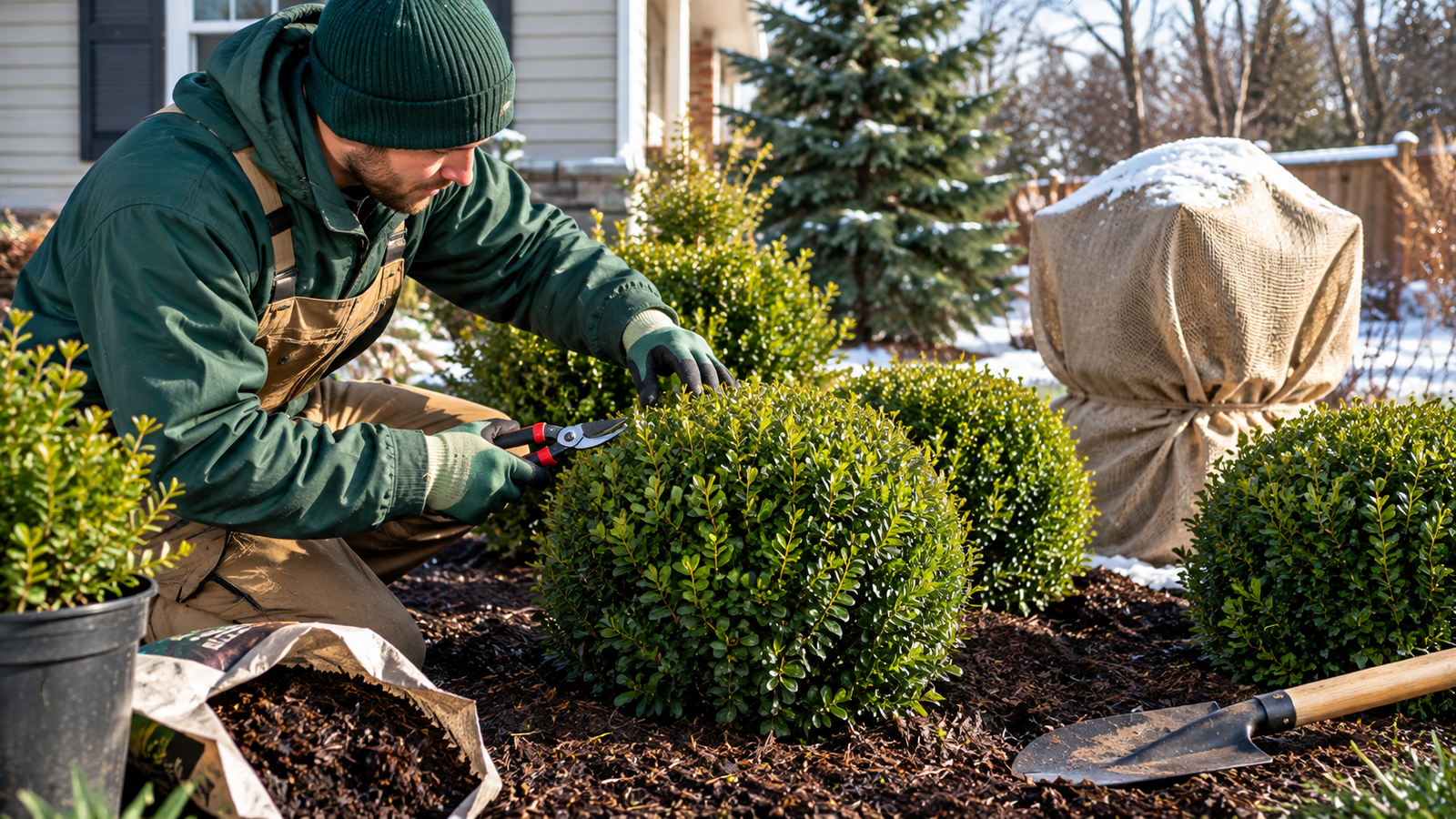
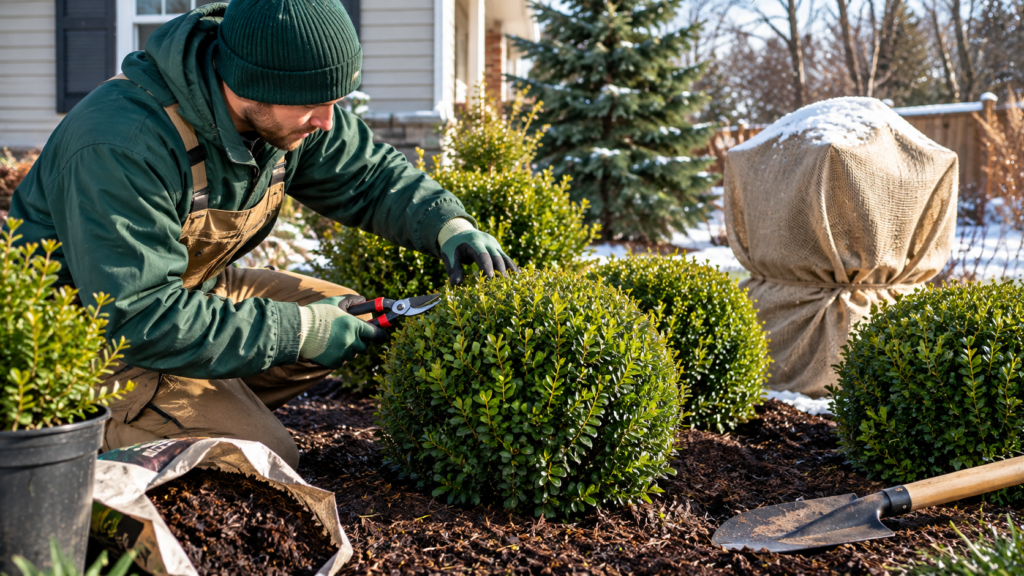
Boxwood Care Guide: Planting, Pruning & Preventing Winter Burn in WNY
Discover practical ways to keep boxwood shrubs healthy and attractive throughout the year in Western New York. Learn about choosing the right planting location, preparing well-drained soil, watering new shrubs, maintaining proper spacing, and pruning for healthy growth. Find out how winter winds, frozen ground, and temperature changes can affect boxwoods, along with helpful steps for reducing winter burn and protecting your landscape during colder months.
Continue Reading →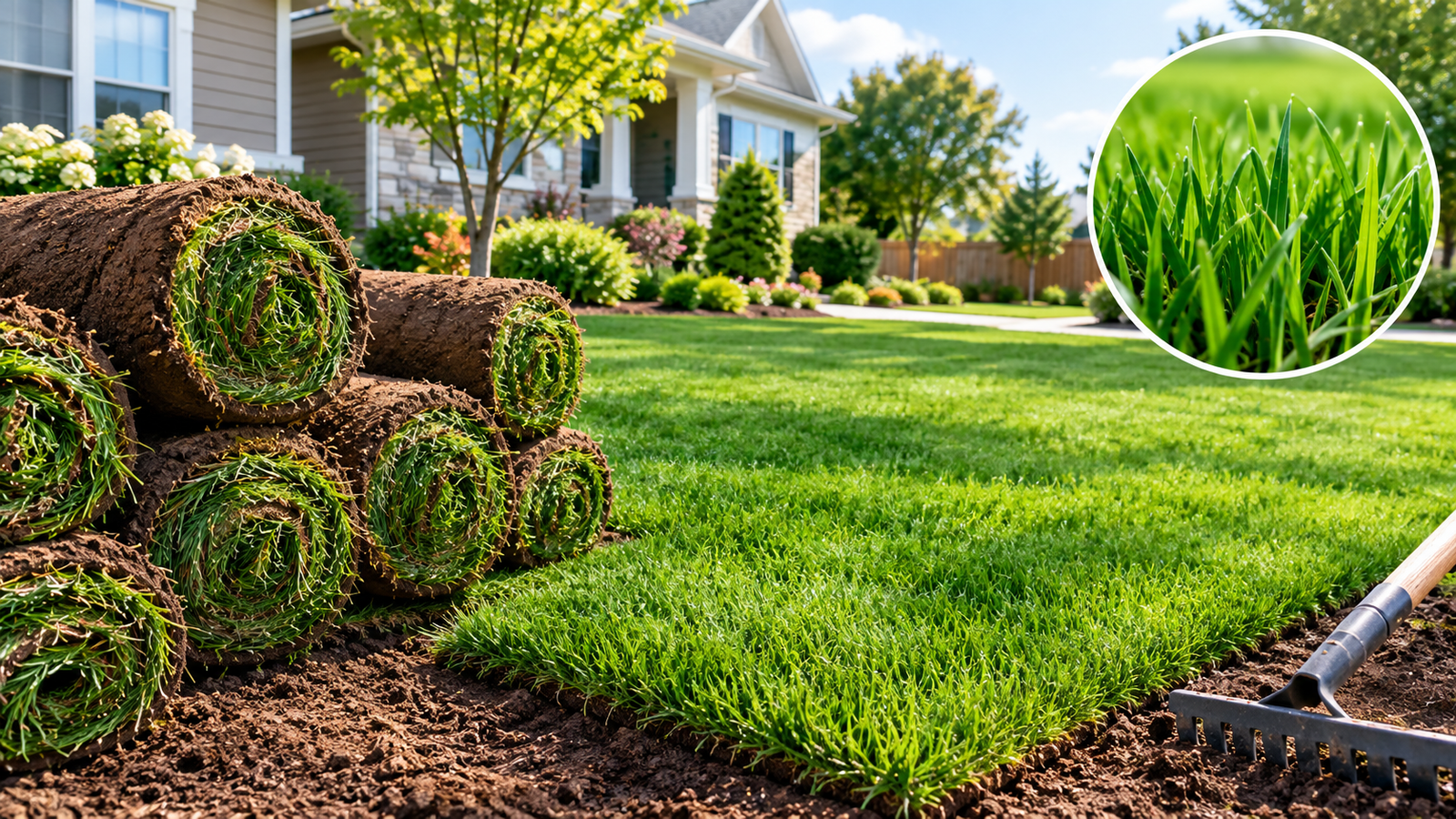
Kentucky Bluegrass Sod: Benefits, Care & Is It Right for WNY Lawns?
Explore why Kentucky bluegrass is a popular choice for creating a dense, attractive lawn in Western New York. Learn about its growth characteristics, cold-weather performance, sunlight needs, watering requirements, mowing practices, and seasonal maintenance. Find useful guidance on preparing the soil before installation, helping new sod establish strong roots, and maintaining a healthy lawn through Buffalo-area summers and winters. Proper preparation and consistent care can help your grass develop into a durable, green outdoor space.
Continue Reading →Final Thoughts
The best soil for raised garden beds is a balanced blend: screened topsoil, finished compost, and a little aeration material. Get the depth right for what you’re growing, measure carefully, and buy in bulk when the numbers make sense. Do that, and your beds will give you good harvests for many seasons. If you’d like to talk through a plan for your yard, KD Nursery is happy to help, and you can check our Google Business Profile for current hours and contact details. Good soil doesn’t need to be complicated, and a little planning now makes the whole season easier.
Frequently Asked Questions
What is the best soil for raised garden beds?
A blend of about 50 to 60 percent screened topsoil, 30 to 40 percent finished compost, and roughly 10 percent coarse sand, perlite, or aged bark works well for most vegetables. It drains, holds moisture, and feeds plants.
Can I use only compost in my raised bed?
It’s not ideal. Pure compost can be too rich in salts, dries unevenly, and breaks down fast, so the bed sinks. Mixing it with topsoil gives you better structure and more stable, long-lasting fertility.
How deep should raised bed soil be?
Six to eight inches suits lettuce and herbs. Twelve inches works for most vegetables. Tomatoes, carrots, and potatoes do better with 12 to 18 inches. On hard surfaces like a patio, use at least 12 inches.
How much soil do I need for a 4 by 8 bed?
At 12 inches deep, a 4 by 8 bed holds 32 cubic feet, a little over one cubic yard. Add about 10 percent extra because soil settles after watering.
Is bulk soil cheaper than bagged soil?
Usually, yes, once you need more than a bed or two. Bulk is priced by the cubic yard, which lowers the cost per cubic foot. Delivery fees vary, so ask for the full price before ordering.
Should I put anything under the soil in a raised bed?
Plain cardboard works well to smother grass and weeds, and it breaks down over time. Avoid plastic and landscape fabric, since they can block drainage and keep roots from reaching the ground below.
Do I need to replace raised bed soil every year?
No. Instead, top it off with an inch or two of compost each spring. The organic matter breaks down over time, so adding compost keeps the soil full, fertile, and productive without starting over.