Why WNY Soil Is So Clay-Heavy
Anyone who has tried driving a shovel into a backyard in Amherst, Cheektowaga, or South Buffalo after a dry spell knows the feeling; it is like hitting solid concrete. Late in the summer, our ground bakes into hard, cracked blocks. In the spring during snowmelt, that same patch turns into a slick, heavy soup that holds onto water for days. Heavy ground is just part of living in Western New York.
Our regional geology left us with a dense, fine-particled base that locks out air, traps water, and makes root growth an absolute workout for young plants. The Niagara Frontier was shaped by ancient glacial lakes. As those glaciers melted thousands of years ago, they left behind massive deposits of extremely fine sediment.
Unlike sandy dirt, which is made of large, jagged particles with plenty of open space between them, clay consists of microscopic, flat plates. When these microscopic plates get wet, they stick together like a stack of wet playing cards.
This leaves virtually no space for oxygen to reach plant roots, creates poor drainage where water sits on top of the ground, and increases compaction risks from foot traffic or lawnmowers.
When winter hits Erie and Niagara counties, the water trapped inside this dense matrix freezes and expands. This continuous freeze-thaw cycle pushes shallow roots right out of the ground, a process known as frost heaving.
Knowing how to improve clay soil starts with altering this physical structure so water can drain and roots can breathe. Over the years, working directly on properties across the region, experienced teams at KD Nursery have tested what actually works to break up dense ground and rebuild garden health.
Compost Amendment
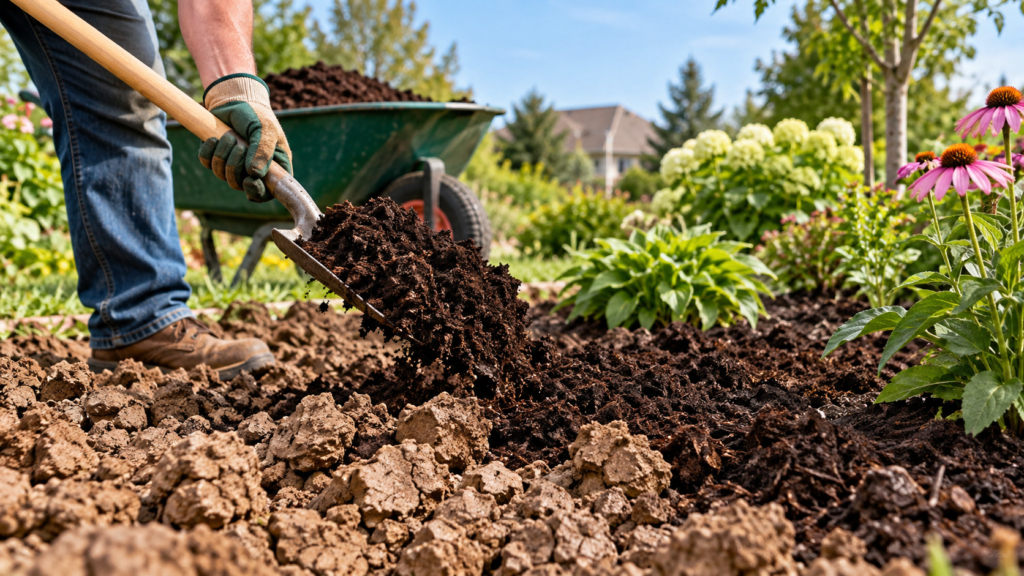
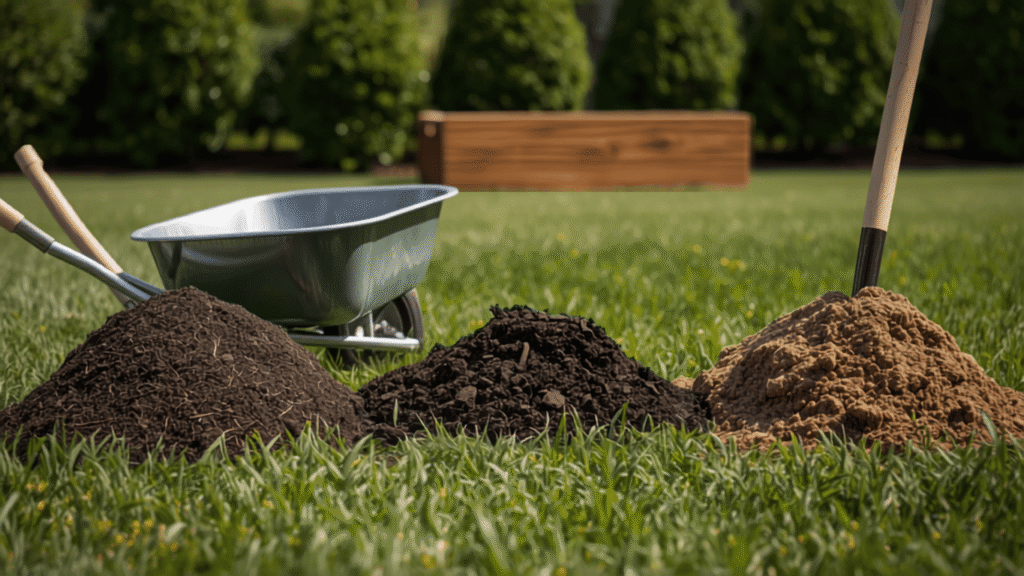
If there is a single, non-negotiable solution for amending clay soil, it is raw, high-grade organic material. Aged compost is the ultimate reset button for bad dirt. When you mix organic matter into dense ground, it acts as a wedge between those flat, sticky particles.
Over time, soil microbes consume the compost and secrete natural sticky substances that bind individual clay particles into small, rounded aggregates. This process turns tight, dense earth into a crumbly, sponge-like structure with plenty of room for air and moisture movement.
Leaf mold from fallen autumn leaves, aged yard waste compost, mushroom compost, and fully rotted manure are all exceptional choices for local yards.
To apply it effectively, spread a 2- to 3-inch layer of organic compost over your planting beds. If you are starting a fresh clay soil garden in the spring, carefully till or hand-turn this layer into the top 6 to 8 inches of ground.
For existing shrubs, flower beds, or around mature trees, do not disturb the roots by deep tilling. Instead, top-dress the ground with a 1-inch layer of compost every spring and autumn.
Worms and rain will gradually haul the organic material down into the root zones naturally, helping you improve garden soil quality over time.
Gypsum: Myth vs. Reality
Gypsum (calcium sulfate) is frequently praised in home improvement stores as a quick chemical fix for breaking up clay soil. The theory sounds great: calcium forces tiny particles to clump together, opening up space for water flow. However, working directly in the field tells a somewhat different story.
Gypsum only improves soil structure under very specific chemical conditions, specifically in soils high in sodium (sodic soils). Most natural residential grounds in Buffalo and surrounding suburbs like West Seneca, Lancaster, or Orchard Park are high in calcium and magnesium, not sodium.
While it can help in coastal regions or areas where road salt heavily saturates the soil along driveways and street curbs, in typical WNY backyard conditions, adding gypsum often does little to change the physical texture and simply adds unnecessary calcium.
Instead of spending money on bags of gypsum, put those resources toward quality organic compost and mulch. Organic matter works reliably across every neighborhood, regardless of sodium levels, providing the structural shift your plants actually need.
Mulch & Wood Chips for Long-Term Structure
Once you have worked to open up the earth, you must protect it from the elements. Summer sun bakes bare ground into an impenetrable crust, while heavy rain packs the surface flat. Covering your garden beds with organic mulches is essential.
Applying a 2- to 3-inch blanket of shredded bark, coarse wood chips, or arborists’ wood chips serves several critical functions for long-term health.
It drastically reduces surface evaporation so the ground stays evenly moist instead of cycling between muddy and brick-hard. It also acts as a temperature buffer, keeping the ground cooler during midsummer heatwaves and insulating roots against winter frost heaving.
As wood chips decompose from the bottom up, they constantly feed beneficial soil organisms and add fresh humus to the dirt underneath. Sourcing local wood chips or bulk shredded bark through Mulch & Wood Chips gives your property a steady supply of protective material.
Applying a fresh top-up every year builds rich topsoil naturally over time, ensuring your plants stay stress-free through every season.
Mechanical Aeration and Relieving Compaction
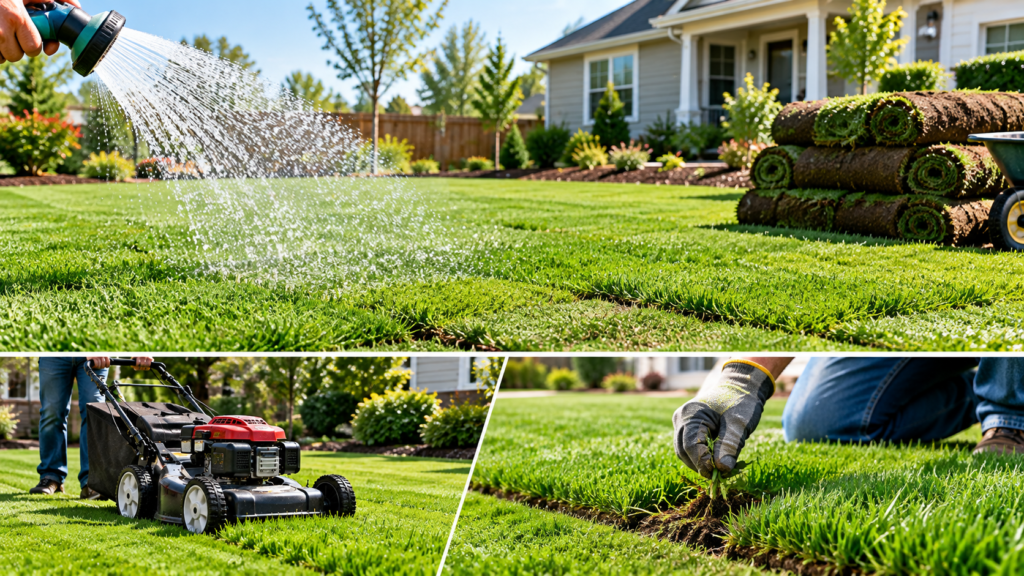
You cannot improve garden soil if it is compacted so tightly that oxygen cannot enter. Compaction is the absolute enemy of root growth, especially in high-traffic lawn areas and heavily used outdoor spaces. In lawns across WNY, mechanical core aeration is essential for breaking through surface resistance.
Core aerators pull 2- to 3-inch plugs of dirt directly out of the lawn, leaving physical holes behind that relieve lateral pressure and allow the surrounding ground to expand into the empty space. The ideal timing for aeration is early autumn when WNY grass is actively growing, and the ground retains moderate moisture.
Right after pulling cores, top-dress the area with a thin layer of screened compost or coarse sand. Rain pushes this material down into the open core holes, creating permanent drainage channels through the hard subsoil that allow air, water, and fertilizer to reach deep into the root zone.
Raised Beds: The Fastest Fix for Bad Drainage
Sometimes, working directly into native ground is an uphill battle you do not need to fight, especially if you are growing vegetables, delicate perennials, or shallow-rooted flowers.
Building raised beds bypasses native drainage issues entirely. By elevating the root zone 8 to 18 inches above the existing grade, you create an ideal growing environment right off the bat.
The benefits for WNY home and property owners are immediate: you choose the exact blend of topsoil, compost, and coarse organic material that fills the bed, ensuring perfect texture. Furthermore, raised beds drain quickly and warm up weeks earlier in the spring than the cold, heavy native ground below.
Because you never step inside a raised frame, the soil stays loose, airy, and root-friendly. When constructing raised beds, leave the bottom open to the native ground below. Dig up the base layer slightly and mix in a bit of compost before filling the frame.
This prevents a sharp barrier between your imported mix and native dirt, allowing deeper taproots to penetrate over time without obstruction.
Kentucky Bluegrass Sod: Benefits, Care & WNY Lawn Guide
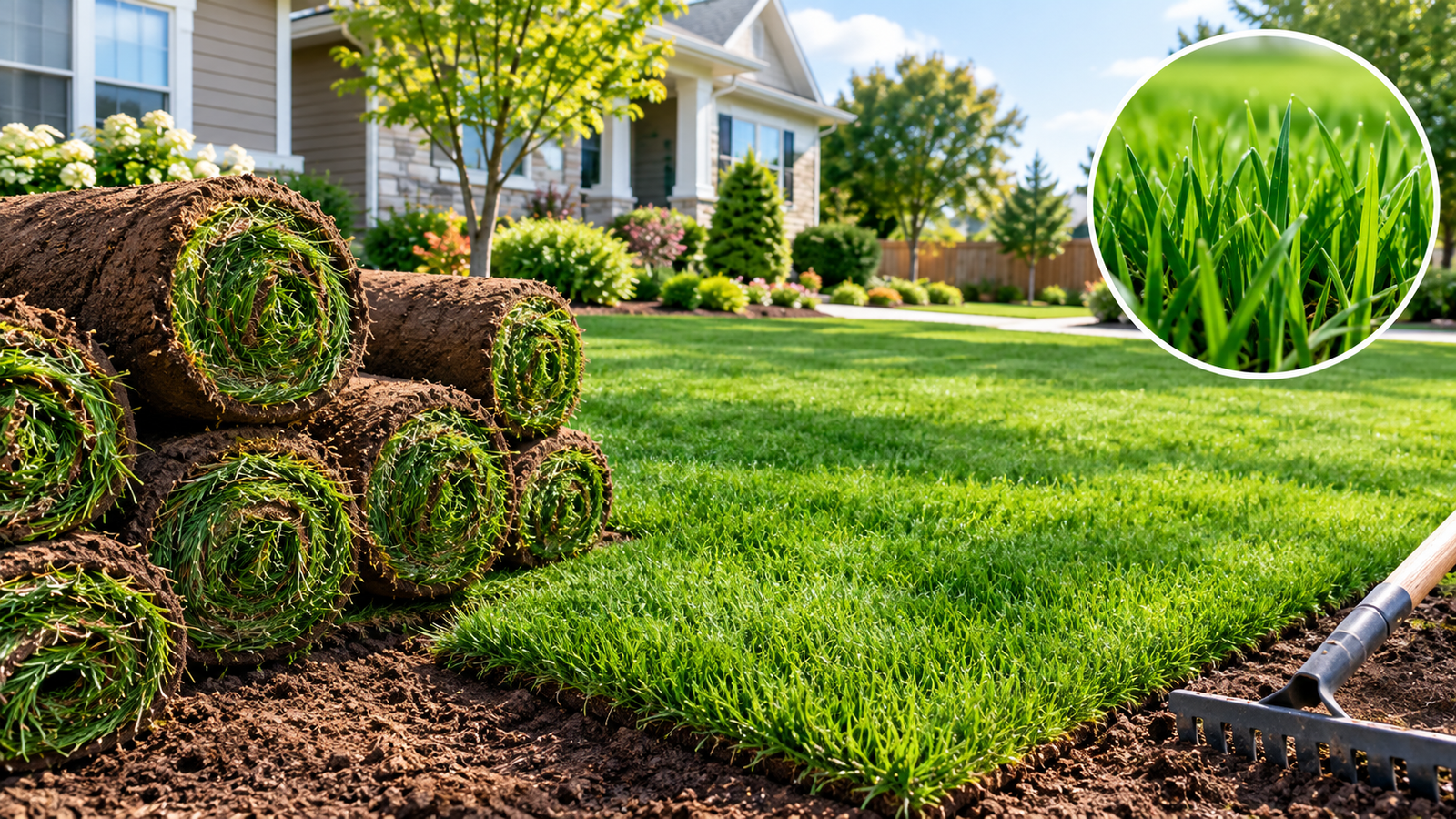
Discover why Kentucky bluegrass is a popular choice for Western New York lawns. Learn about its rich green color, spreading growth habit, cold tolerance, and ability to recover from minor lawn damage. Explore essential tips for soil preparation, watering, mowing, sunlight, and seasonal maintenance to help establish a healthy, attractive lawn in the Buffalo area.
Continue Reading →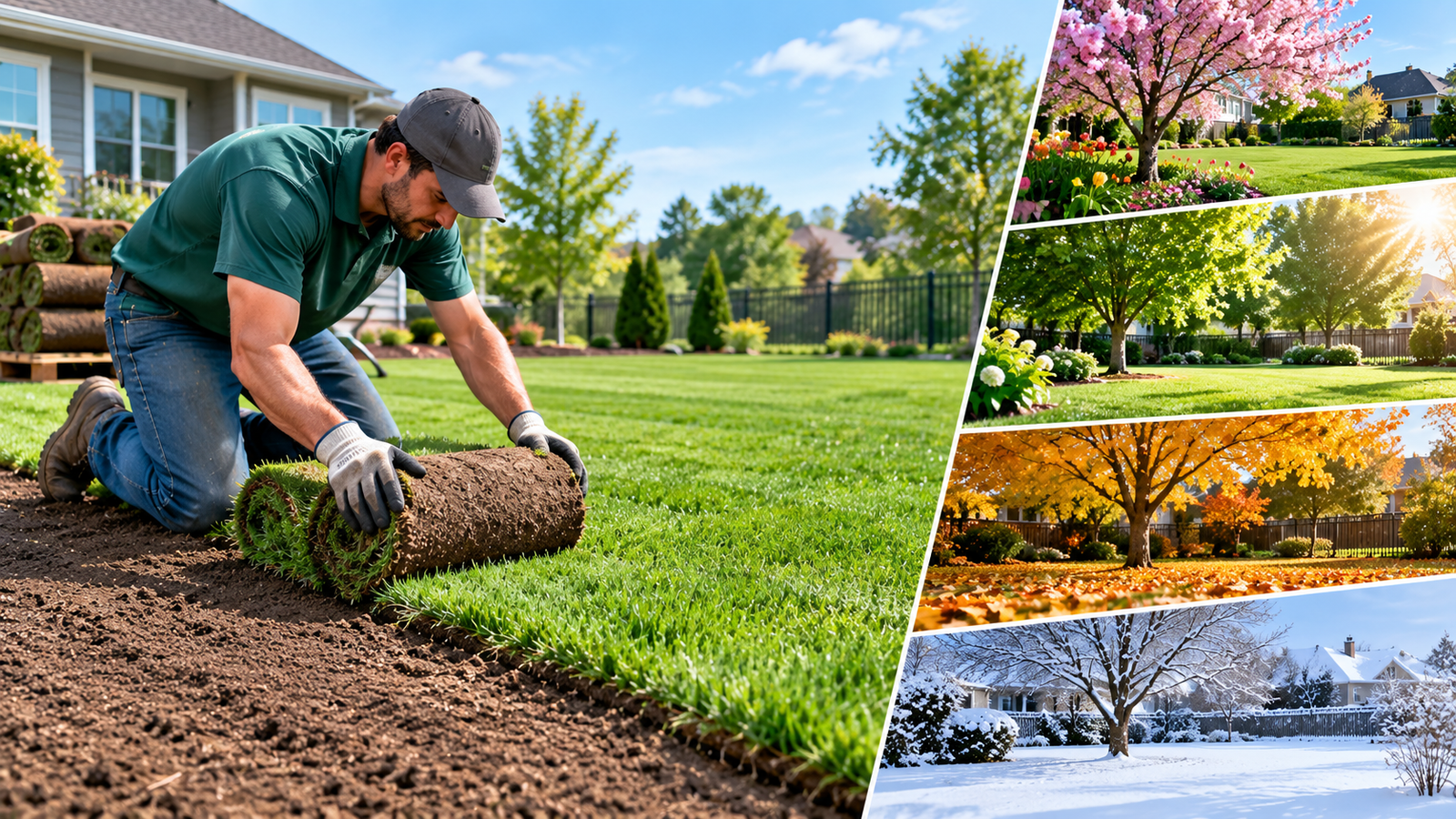
When Is the Best Time to Lay Sod in New York?
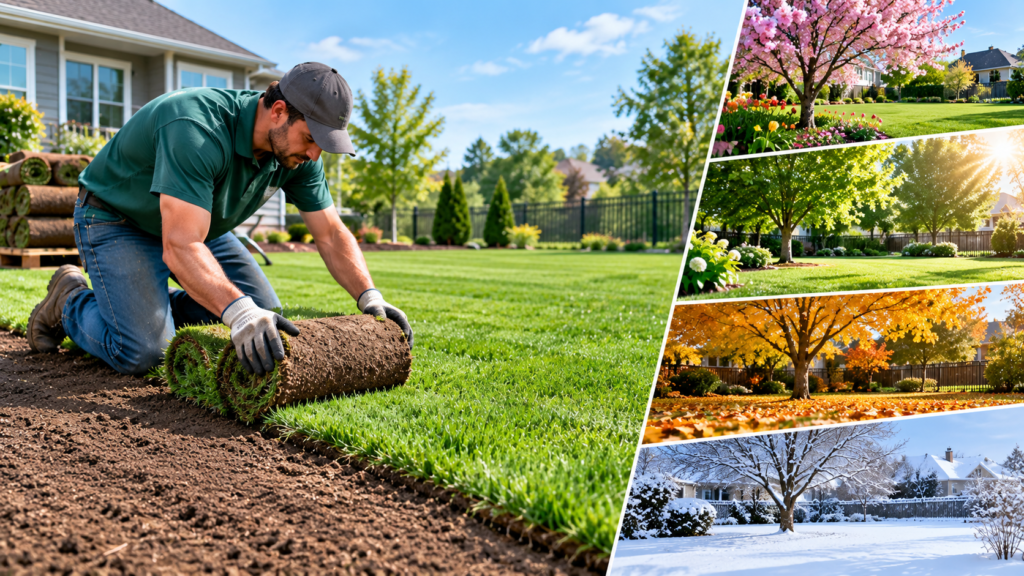
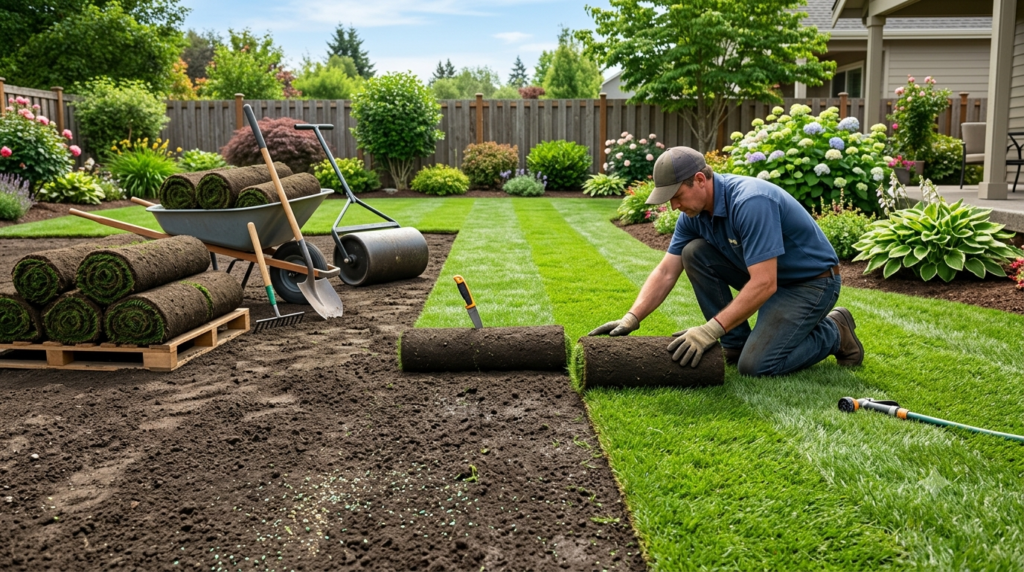
Planning a new lawn starts with choosing the right installation window. Learn how spring and early fall weather, soil temperature, moisture levels, and site preparation affect sod establishment in Buffalo and across Western New York. Find out why summer heat and late-season frost can create challenges, how to prepare the ground, and what to consider before scheduling sod delivery.
Continue Reading →Drainage Fixes and Managing Runoff
If standing water pools near your home’s foundation or sits in low spots for days after a spring rainstorm, simple organic amendments might not be enough on their own. You need physical drainage solutions to redirect water away from plant roots.
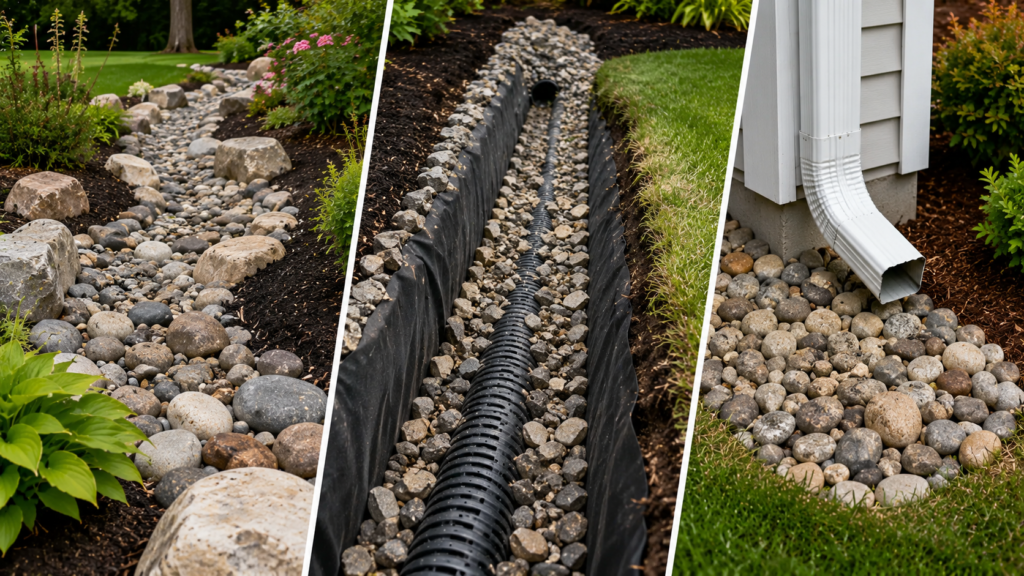
A French drain consists of a sloped trench filled with gravel and a perforated pipe wrapped in fabric. It intercepts subsurface water travelling through upper soil layers and channels it safely toward a lower discharge area or rain garden.
Alternatively, a gently sloped, grass-lined surface swale can capture surface runoff during heavy storms and guide water away from gardens and patio structures before it can soak in and saturate low-lying areas.
Integrating deep-rooted native plants is another long-term biological drainage fix. Species like Coneflower (Echinacea), Blazing Star (Liatris), and False Indigo (Baptisia) send roots several feet down, fracturing tight subsoil layers naturally.
When planning extensive site corrections, working alongside an experienced local team like KD Nursery ensures your grading and drainage systems are installed correctly from the start.
Taking time to understand how to improve clay soil through proper physical techniques, compost applications, and mulching gives your landscape the foundational support it needs to thrive year after year.
Frequently Asked Questions
Can I mix sand into heavy ground to improve drainage?
No. Adding sand to dense ground creates a material similar to concrete. Sand particles fill the tiny voids between flat clay plates, locking everything tighter together. Always use organic compost or fine gravel to loosen tight ground safely.
How do I know if my ground is too wet to till in spring?
Squeeze a handful of dirt into a ball and drop it onto hard ground from waist height. If it stays in a dense, solid clump, it is too wet to work. If it shatters easily, it is ready. Working wet ground ruins its structure for years.
How often should I apply compost to my garden beds?
Top-dress flower beds, shrub borders, and vegetable gardens with a 1-inch layer of aged compost once or twice a year, ideally in early spring and late autumn. Over time, natural earthworm activity draws this material deep into the ground.
Will gypsum lower my soil’s pH level?
Gypsum adds calcium and sulfur to the ground, but it does not alter soil pH in any significant way. If your local soil test indicates high alkalinity, elemental sulfur is a far more effective amendment for lowering pH levels safely.
How deep should I till compost into my garden?
Work compost into the top 6 to 8 inches of ground for new beds. Most plant feeder roots operate within this upper zone. Avoid deep tilling around established trees or shrubs, as cutting through primary roots causes severe dieback.
What is the fastest way to fix poor backyard drainage?
Combining physical surface grading with raised beds offers the fastest fix. Redirect surface runoff away from planting zones using swales or French drains, then build elevated beds filled with high-quality topsoil mixes for immediate planting success.
Why does my lawn turn rock-hard every August?
Summer heat bakes unmulched, dense earth dry, causing fine particles to shrink and lock together tightly. Core aeration in autumn, combined with regular spring compost top-dressing, creates air passages that keep lawn roots hydrated and loose year-round.