Choosing a new lawn is a bigger decision than most homeowners expect. It’s not just about what looks good rolled out on a Saturday morning, it’s about what’s going to hold up through a Buffalo winter, bounce back from a humid July, and still look decent five years from now.
Kentucky bluegrass sod comes up in almost every conversation we have about new lawns in Western New York, and for good reason. But it’s not automatically the right choice for every yard, and it helps to understand why before you commit.
At KD Nursery, we’ve installed a lot of lawns across the Buffalo area, and bluegrass is one we recommend often, though not blindly. Let’s walk through what it actually is, how it behaves, and whether it makes sense for your specific property.
What Makes Kentucky Bluegrass Different
Kentucky bluegrass is a cool-season grass, which matters a great deal if you live somewhere with real winters. Cool-season grasses grow best in spring and fall, slow down during the peak heat of summer, and go dormant rather than dying outright when temperatures drop.
That growth pattern lines up almost perfectly with our WNY climate, which swings from cold, snowy winters to warm, humid summers with a fairly short but intense growing window on either side.
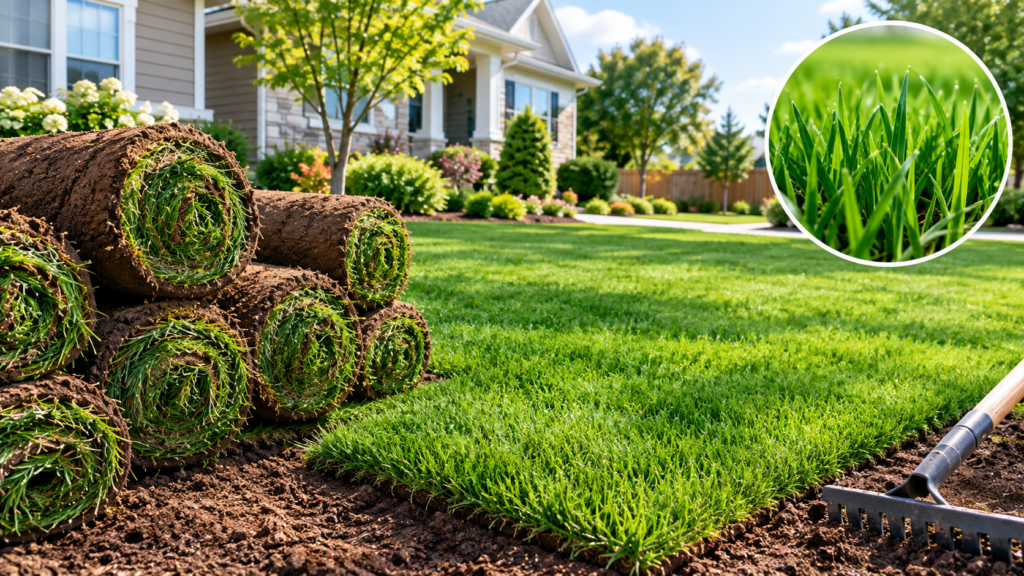
Visually, Kentucky bluegrass sod has a fine to medium texture and a rich, deep green color that a lot of homeowners just prefer over coarser grass types. It spreads through underground stems called rhizomes, which is a detail worth knowing because it means the grass can actually repair itself.
If a section gets thin from foot traffic or a rough winter, healthy bluegrass nearby can fill back in on its own over time. That self-repairing quality is one of the bigger practical advantages it has over some other grass types.
Sun and Shade Needs
Here’s where a lot of homeowners run into trouble, and it’s an honest mistake. Kentucky bluegrass wants sun, ideally six or more hours of direct sunlight a day. In full sun, with decent soil, it’s a strong, dense performer. But in shady spots, under mature trees or along the north side of a house, it starts to thin out and struggle no matter how well you care for it.
This isn’t a flaw in the grass. It’s just its nature. If you’ve got a yard with heavy shade, pure Kentucky bluegrass sod probably isn’t your best option, and we’d tell you that upfront rather than sell you something that’s going to look patchy in a year.
In those cases, a shade-tolerant blend or a different grass type entirely might serve you better. Part of doing this work honestly is matching the grass to the actual conditions of your yard, not just installing whatever’s popular.
Maintenance: What Ongoing Care Looks Like
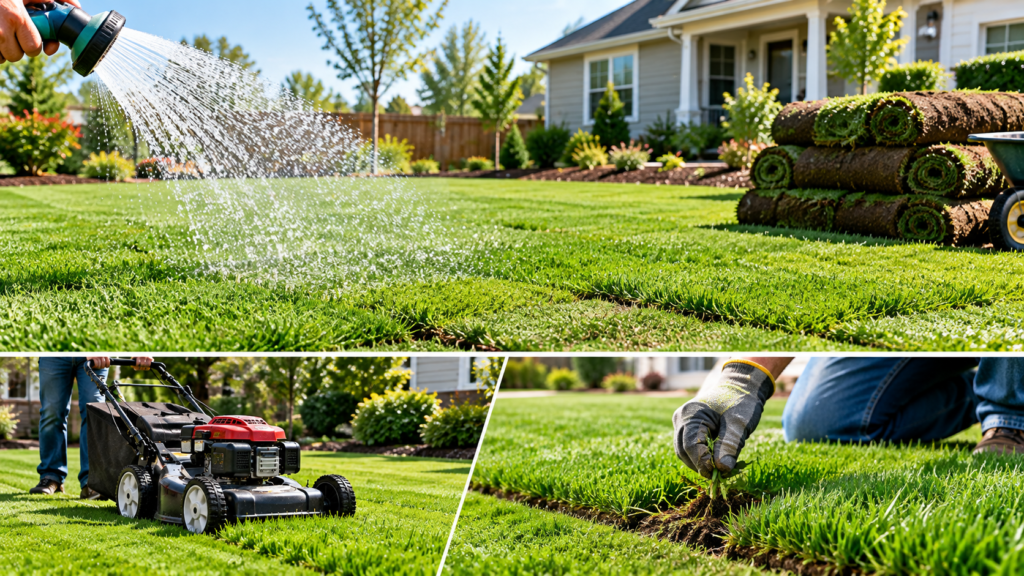
Kentucky bluegrass care isn’t complicated, but it does ask a little more of you than some lower-maintenance grasses. Watering matters most in the first few weeks after installation, when the sod is establishing roots into your soil; during that window, consistent moisture is critical. Once established, bluegrass generally needs about an inch of water a week during the growing season, adjusted for rainfall.
Mowing height matters more than people expect. Keeping bluegrass around two and a half to three inches tall helps it develop deeper roots and shade out weeds naturally. Cutting it too short, especially during summer heat, stresses the grass and opens the door for problems.
Fertilizing in early spring and again in fall, when the grass is actively growing, tends to give the best results; feeding it heavily in the middle of summer usually does more harm than good since the grass isn’t in an active growth phase then anyway.
Aeration once a year, particularly on Buffalo’s clay-heavy soils, helps water and nutrients actually reach the root zone instead of pooling on compacted ground. This is a step homeowners skip more than almost any other, and it’s usually the one that would have made the biggest difference.
Is Kentucky Bluegrass Sod Right for WNY Lawns?
For a lot of Buffalo-area properties, yes, with the sun caveat in mind. Our winters are cold enough that cool-season grasses like bluegrass go dormant rather than getting wiped out, and our springs and falls give it good windows to establish and thicken up. If you’ve got decent sun exposure and soil that isn’t a swamp half the year, Kentucky bluegrass sod tends to perform reliably here.
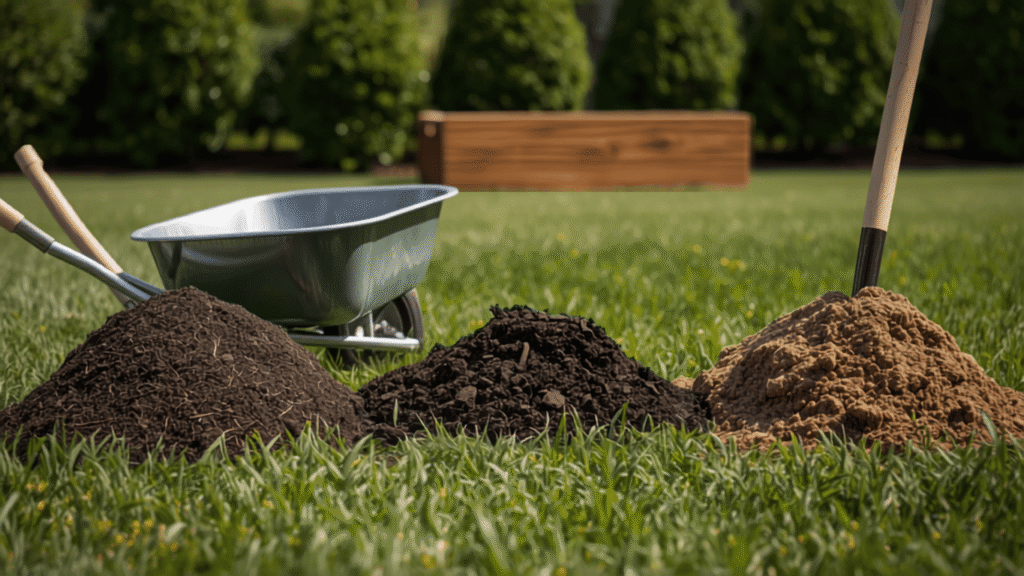
Soil is worth a specific mention. A lot of WNY lawns sit on heavier clay soil, which drains slowly and can compact over time. Bluegrass isn’t picky to the point of failure in clay soil, but it does better when that soil gets some attention: aeration, occasional topdressing with compost, and avoiding overwatering, which clay holds onto longer than sandier soil would.
Winters here also mean snow mold is a real possibility if grass goes into winter too long or too wet. Cutting the lawn to proper height before the first hard freeze and avoiding a late, heavy fertilizer application in fall helps reduce that risk.
Kentucky Bluegrass vs Fescue
This is probably the most common comparison question we get, and it’s a fair one. Bluegrass vs fescue isn’t really about one being better than the other; it’s about which one fits your yard.
Tall fescue, particularly newer turf-type varieties, tolerates shade noticeably better than Kentucky bluegrass and handles drought a bit more gracefully too, since it develops a deeper root system. It also doesn’t spread by rhizomes the way bluegrass does, so it has less natural self-repair ability, which means bare or damaged patches tend to stay bare unless overseeded.
Kentucky bluegrass, on the other hand, wins on that self-healing quality and often on overall appearance: many homeowners find its color and texture more attractive for a traditional front-lawn look. It also tends to form a denser, more uniform turf in full sun than fescue does.
A lot of properties actually do well with a blend of the two, getting bluegrass’s density and self-repair in the sunnier areas and fescue’s shade tolerance where trees create more coverage. That’s a conversation worth having before installation, not after.
Choosing Sod That’s Right for New York Conditions
When people ask what the best sod for New York lawns is, there isn’t one universal answer; it depends on sun exposure, soil type, and how much upkeep you’re realistically willing to put in.
Kentucky bluegrass sod is a strong choice for sunny, well-maintained lawns. Fescue blends make more sense for shadier properties or lower-maintenance goals. What matters most is an honest assessment of your specific yard before sod goes down, not after.
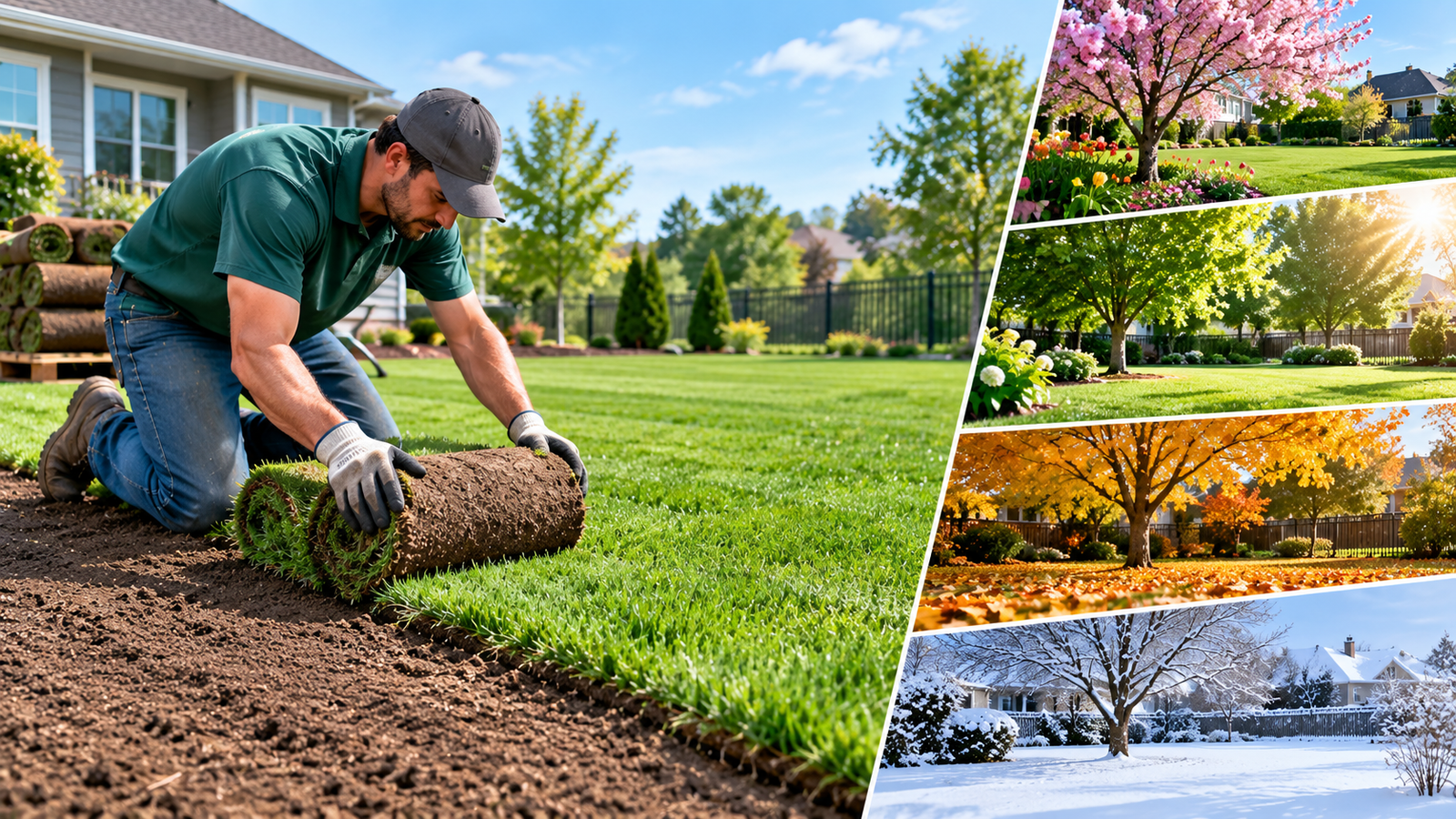
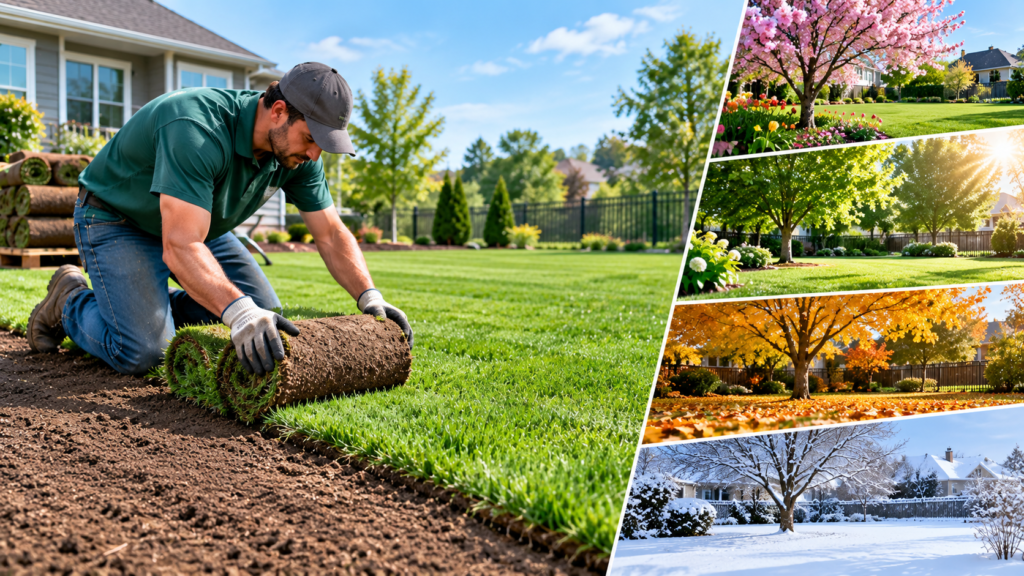
When Is the Best Time to Lay Sod in New York?
Learn how seasonal conditions affect new lawn installation in New York. Explore the best timing for laying sod, soil temperature, moisture, weather conditions, seasonal establishment, preparation requirements, and practical considerations for creating a healthy, established lawn.
Continue Reading →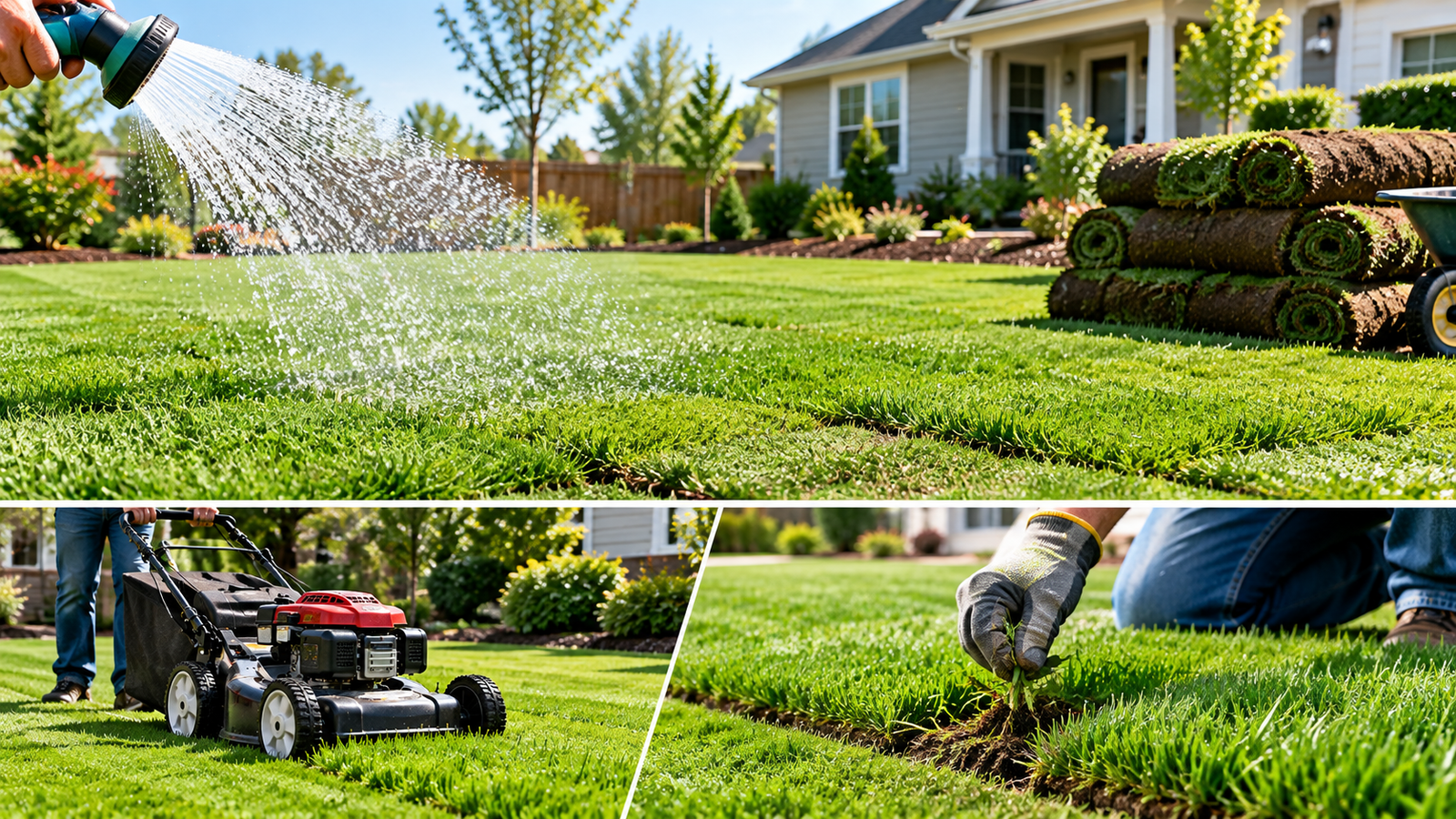
New Sod Care Guide: Watering, Mowing & First-Month Tips
Learn how to care for newly installed sod during its first month. Get practical guidance on watering frequency, proper mowing timing, rooting, soil moisture, lawn establishment, avoiding common mistakes, and helping new grass develop strong roots.
Continue Reading →A Few Honest Notes From Installation Experience
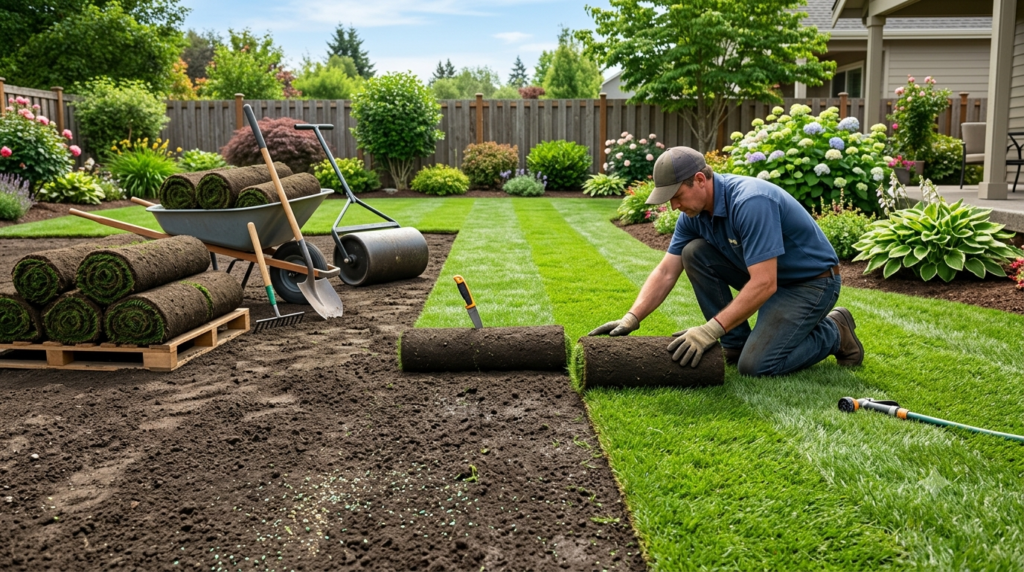
Sod isn’t instant. Even good Kentucky bluegrass sod needs a few weeks of careful watering and limited foot traffic to root properly. Walking on it too soon, mowing it too early, or letting it dry out in that first stretch is where most sod struggles begin, not from the sod itself, but from what happens right after it’s laid down.
We’ve also found that homeowners who get a quick walkthrough on watering schedules and mowing height right after installation tend to have noticeably better-looking lawns six months later than those who just wing it. It’s a small conversation that saves a lot of frustration.
If you’re weighing your options for a Buffalo lawn and want a straight answer about whether Kentucky bluegrass sod fits your yard, that’s exactly the kind of question KD Nursery gets asked regularly, and it’s worth a real look at your sun exposure and soil before deciding.
Frequently Asked Questions
How long does Kentucky bluegrass sod take to root?
Most sod develops initial root connections within two to three weeks under proper watering. Full establishment, where roots are deep and self-sufficient, generally takes several more weeks depending on soil conditions and weather.
Can Kentucky bluegrass survive Buffalo winters?
Yes. It’s a cool-season grass built for cold climates and goes dormant rather than dying during winter. It typically greens back up on its own once temperatures rise in spring.
How much sun does Kentucky bluegrass sod actually need?
Ideally, six or more hours of direct sunlight daily. In heavier shade, it thins out over time regardless of care, so shady yards usually do better with a different grass type.
Is Kentucky bluegrass high maintenance?
It’s moderate. It needs consistent watering, regular mowing at the right height, and seasonal fertilizing to look its best. It’s not the lowest-maintenance option, but it’s manageable with a basic routine.
What’s the biggest difference between bluegrass and fescue?
Bluegrass spreads and self-repairs through rhizomes; fescue doesn’t and tolerates shade and drought better. The right choice usually depends on your yard’s sun exposure and how much repair you want the grass doing itself.
Do I need to aerate a Kentucky bluegrass lawn every year?
Annual aeration is a good habit, especially on clay-heavy WNY soil. It relieves compaction and helps water and nutrients reach the roots, which noticeably improves overall lawn health.
When is the best time to install Kentucky bluegrass sod in WNY?
Early fall or spring are typically best, since cooler temperatures and consistent moisture help roots establish without the stress of peak summer heat.