Mulch looks simple from the sidewalk.
Walk into any Clarence or Buffalo backyard in late April, and you’ll see bags of it stacked by the garage, and most homeowners just grab whatever’s cheapest at the hardware store.
That’s usually where the trouble starts. The wrong mulch around a young maple can trap moisture against the bark and invite rot.
The wrong mulch in a vegetable bed can rob nitrogen from the soil before it breaks down. Flower beds get finicky too, since petunias and hostas don’t want the same coverage as a rose bush. After enough seasons walking properties across Erie and Niagara counties with the KD Nursery crew, you start noticing which choices actually hold up through a Western New York winter and which ones just wash away with the first hard rain.
This guide breaks down what actually works.
We’ll go plant by plant, color by color, and season by season, because the best mulch for flower beds isn’t automatically the best mulch for gardens growing tomatoes or peppers. Trees need their own approach entirely. So do the raised beds out back where you’re growing zucchini for the neighbors.
Best Type By Plant
Not every plant wants the same mulch sitting against its roots.
Flower beds do best with a finer shredded mulch, something like shredded hardwood or a fine bark blend that packs down and holds together when the wind picks up off the lake. Coarse nuggets tend to float right out of a flower bed after a downpour, leaving bare soil around your perennials. For trees, the goal shifts.
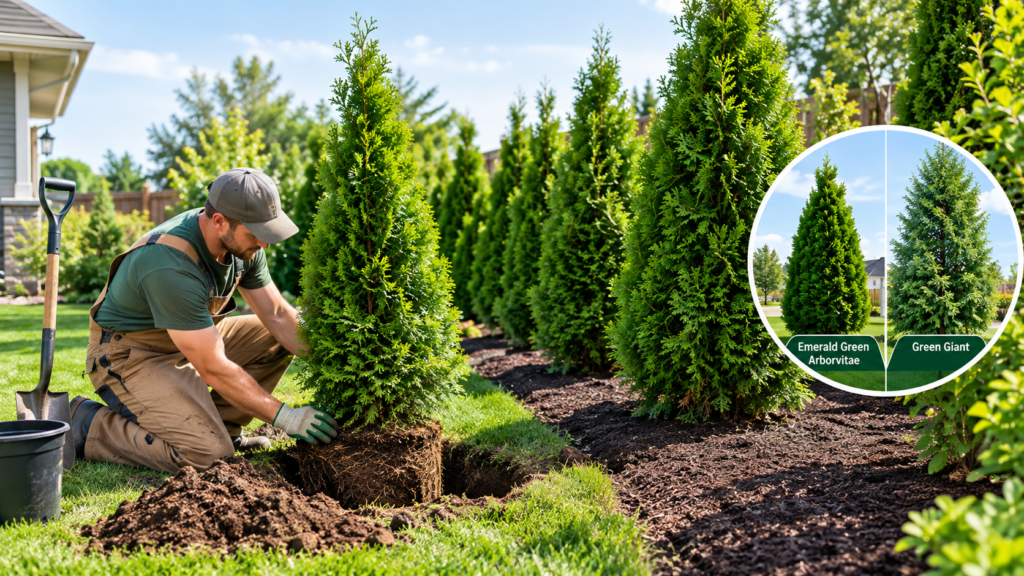
Mulch for trees should be a coarser wood chip, spread wide and shallow, never piled against the trunk like a volcano, which is one of the fastest ways to kill a healthy tree over a few years.
Vegetable gardens want something that breaks down fast and feeds the soil, so straw or a mulch for vegetable garden setups tends to work better than wood products, which can tie up nitrogen while your tomatoes are trying to grow.
Pick the mulch for the plant, not the other way around.
Cedar chips smell nice, but they’re not the right call everywhere.
Color Selection
Homeowners ask about color more than almost anything else.
Black mulch heats up fast in full sun, which can stress out shallow-rooted annuals in July. Brown mulch is the safest middle ground, and it’s usually the best mulch for flower beds facing south or west, where afternoon sun already runs hot. Red mulch fades to a dull pink within a season around here, so if you like the look, plan on refreshing it more often than you would brown or natural cedar.
Dyed mulches also carry a slight risk if they’re made from recycled pallet wood, since you can’t always know what was in that wood before it got chipped. Natural, undyed mulch costs a little less peace of mind if you’re growing food nearby.
Color is cosmetic until it isn’t.
Pick a shade you’ll still like next spring.
Organic Vs Inorganic
Organic mulch does more than sit there looking tidy.
Shredded bark, wood chips, straw, and compost all break down over time and feed the soil biology underneath, which is exactly what you want in a vegetable bed or a perennial border that gets reworked every couple of years. Inorganic options like rubber mulch or landscape stone last far longer and never need replacing, but they don’t build soil health the way organic material does.
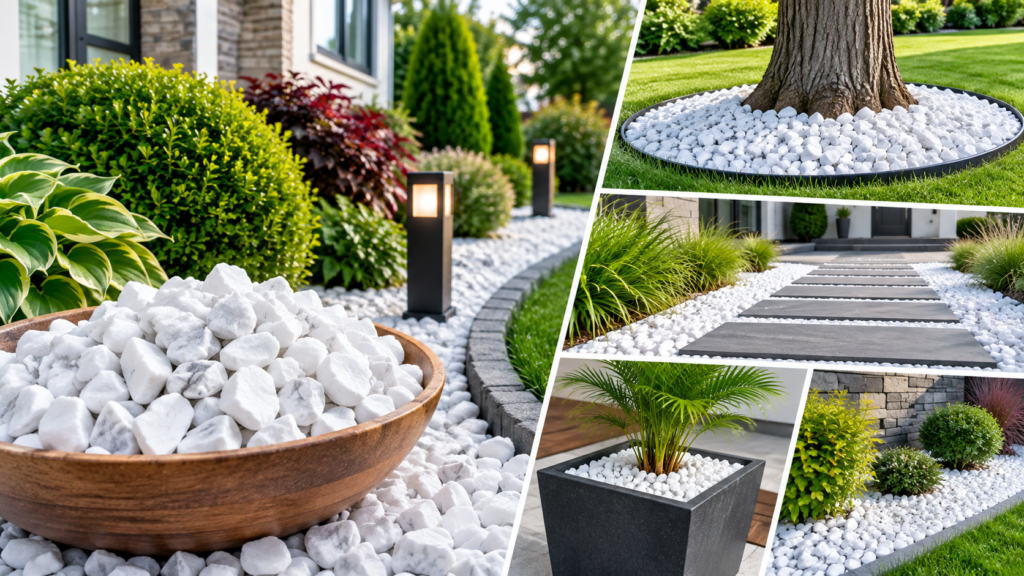
Rock and stone also reflect heat, which can be rough on plants that prefer cooler root zones, and stone gets hard to remove later if you ever decide to redesign the bed. For a flower bed you plan to keep for years, organic material usually wins out.
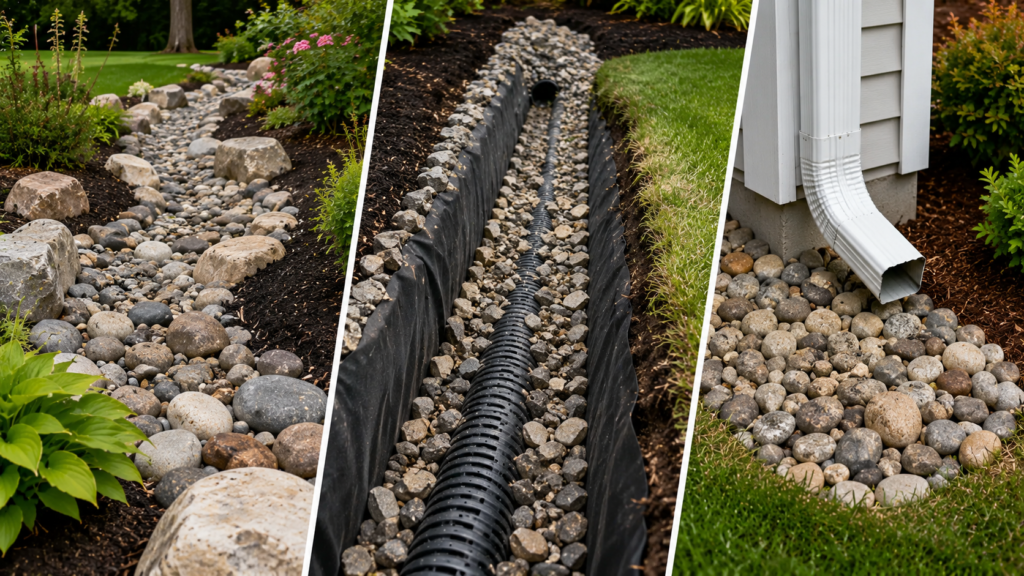
For a dry creek bed or a low-maintenance strip along a driveway, the best landscaping mulch might actually mean gravel or river rock instead of anything organic at all.
There’s no universal right answer here.
It depends what the bed is for.
Depth Guidelines
Depth is where most DIY mulch jobs go wrong.
Two to three inches is the target for almost every application, whether it’s a flower bed, a shrub border, or the ring around a young tree. Less than two inches and weeds punch right through by June. More than four inches and you’re suffocating roots, holding too much moisture against the crown, and setting up the exact rot problems mulch is supposed to prevent.
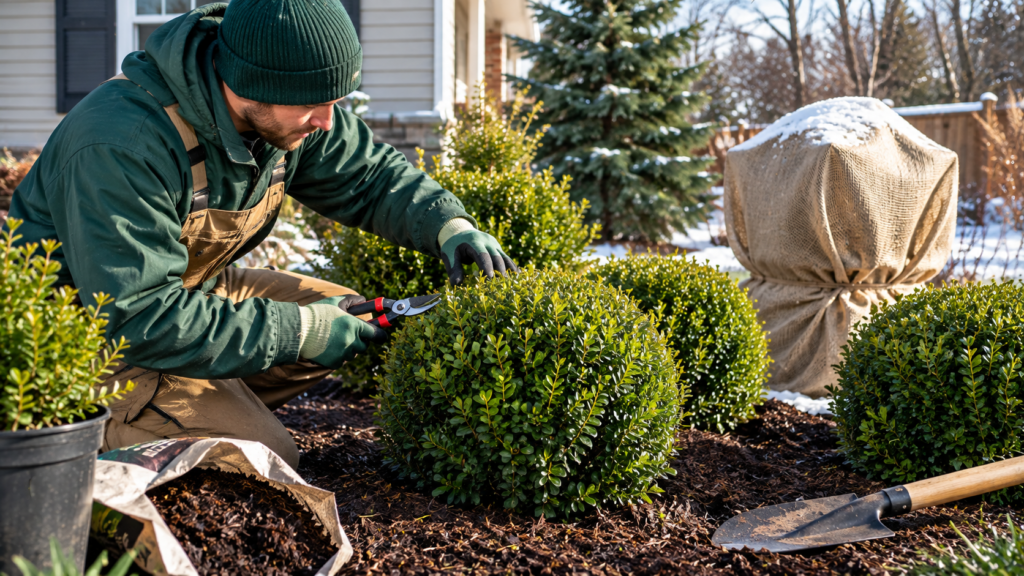
Around tree trunks, pull the mulch back a few inches so it never touches the bark directly, leaving what looks almost like a shallow donut instead of a mound. Vegetable beds can run a little thinner, closer to one to two inches with straw, since you’ll be pulling it back to plant and replanting through the season anyway.
More isn’t better with mulch.
Consistent depth beats a thick pile every time.
When To Refresh
Mulch doesn’t last forever, no matter how good it looked going down.
Organic mulch breaks down over a year or two, losing color and volume as it feeds the soil, so most flower beds need a top-off every spring before new growth really gets going.
Watch for graying, matting, or a spongy texture that clings together instead of separating when you rake through it, since that’s usually a sign it’s overdue. Vegetable gardens often need refreshing mid-season too, especially straw mulch that breaks down fast in wet weather.
Trees generally need less frequent attention, maybe every other year, as long as the original layer wasn’t piled too thick or too close to the trunk. A quick walk around the property each April tells you almost everything you need to know before you buy a single bag.
Refresh before it disappears completely.
Waiting too long undoes the work you already did.
Getting It Right The First Time
None of this needs to be complicated once you know the basics.
Match the mulch type to the plant, keep the depth around two to three inches, pick a color that won’t fight your sun exposure, and refresh before the old layer disappears into the soil. Homeowners who follow that simple rhythm year after year end up with healthier beds and fewer weeds without spending more money overall.
It’s less about buying premium bags and more about applying the right material the right way at the right depth.
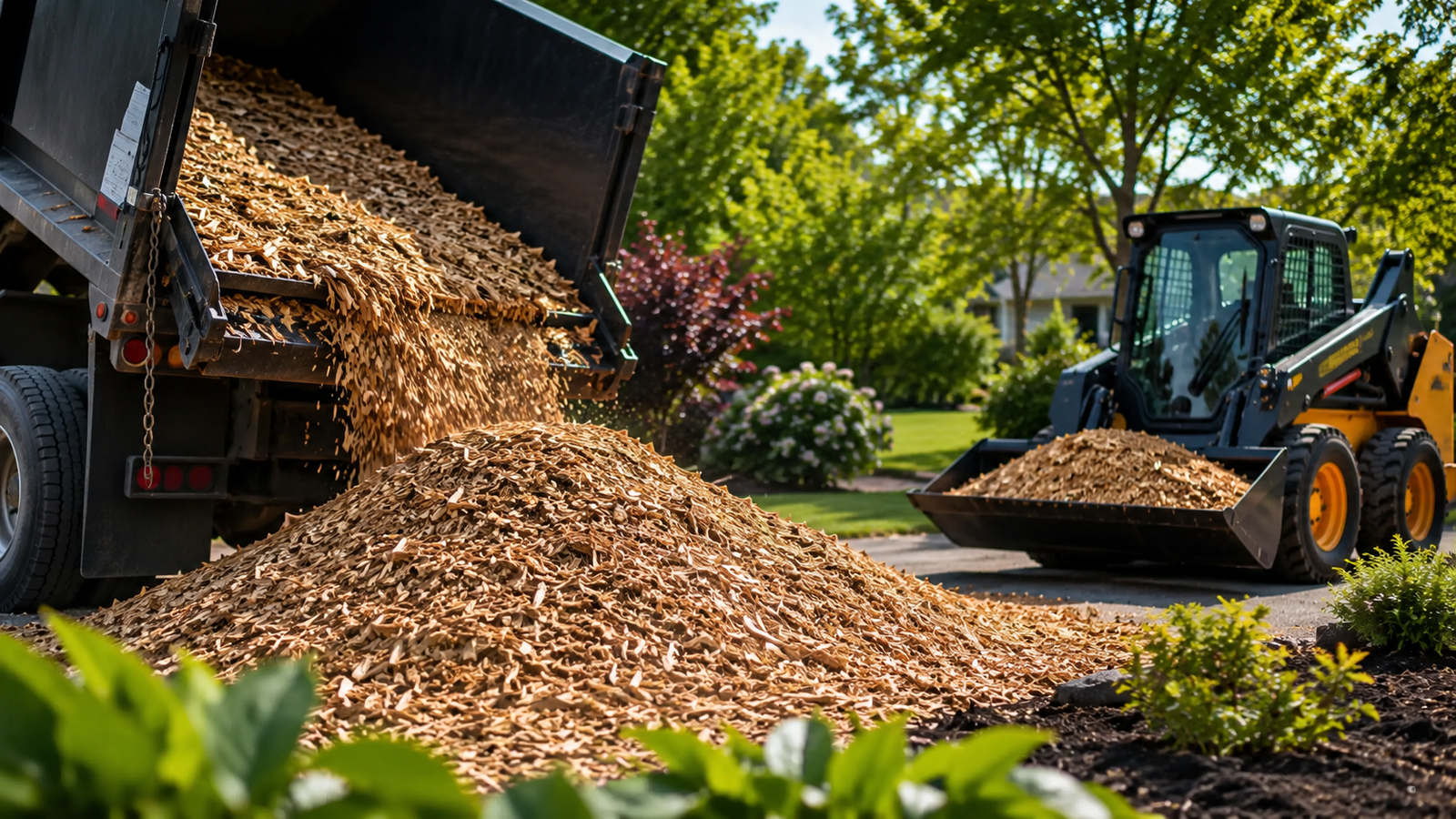
Wood Chips Near Me: Cost, Benefits & Delivery Options
Explore the benefits of natural wood chips for flower beds, trees, garden paths, and landscape projects. Learn about pricing, moisture retention, weed suppression, soil improvement, delivery options, installation tips, and choosing the right wood chips for long-lasting landscape performance.
Continue Reading →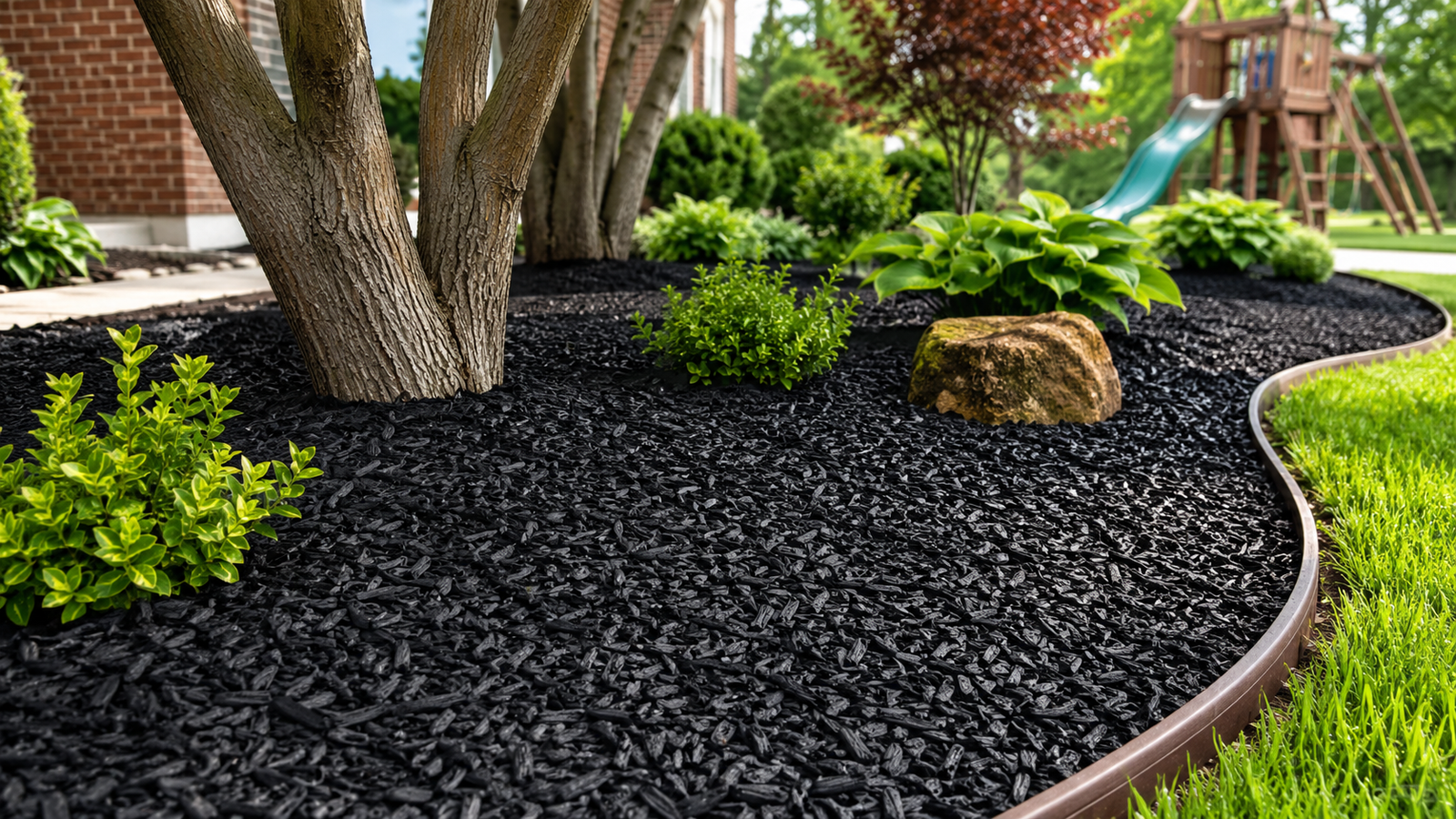
Rubber Mulch Near Me: Benefits, Costs & Buying Guide
Discover why rubber mulch is a durable, low-maintenance choice for playgrounds, landscaping, and decorative garden beds. Compare costs, safety features, drainage, color retention, longevity, maintenance requirements, and expert buying tips before your next outdoor project.
Continue Reading →KD Nursery crews walk properties across Erie and Niagara counties every season, making these same calls, bed by bed, tree by tree.
Good mulch work is mostly good judgment.
The material matters less than the method.
FAQs
What is the best mulch for flower beds in Western New York?
Shredded hardwood or fine bark blends work best here. They pack together in wind and rain, hold moisture through summer heat, and break down slowly enough to feed the soil without needing constant replacement through the growing season.
What is the best mulch for flower beds in Western New York?
Shredded hardwood or fine bark blends work best here. They pack together in wind and rain, hold moisture through summer heat, and break down slowly enough to feed the soil without needing constant replacement through the growing season.
Can I use the same mulch for trees and flower beds?
Not ideally. Trees do better with coarser wood chips spread wide and shallow, kept away from the trunk. Flower beds prefer finer, shredded material that holds together and looks tidier around perennials and annuals.
Does mulch color affect plant health?
Yes, somewhat. Black mulch absorbs more heat and can stress shallow-rooted plants in full sun. Brown or natural mulch stays cooler and suits most beds. Red mulch fades quickly and needs more frequent refreshing to look consistent.
Is organic or inorganic mulch better for vegetable gardens?
Organic, almost always. Straw or shredded leaves break down and feed the soil your vegetables depend on. Inorganic options like stone don’t decompose, so they add nothing to soil fertility where crops are actively growing.
How deep should mulch be around trees and shrubs?
Two to three inches is right for most trees and shrubs. Keep it pulled back from the trunk itself. Piling mulch against bark traps moisture, invites pests, and can lead to slow, hard-to-notice trunk decay.
What’s the best mulch for gardens with heavy clay soil?
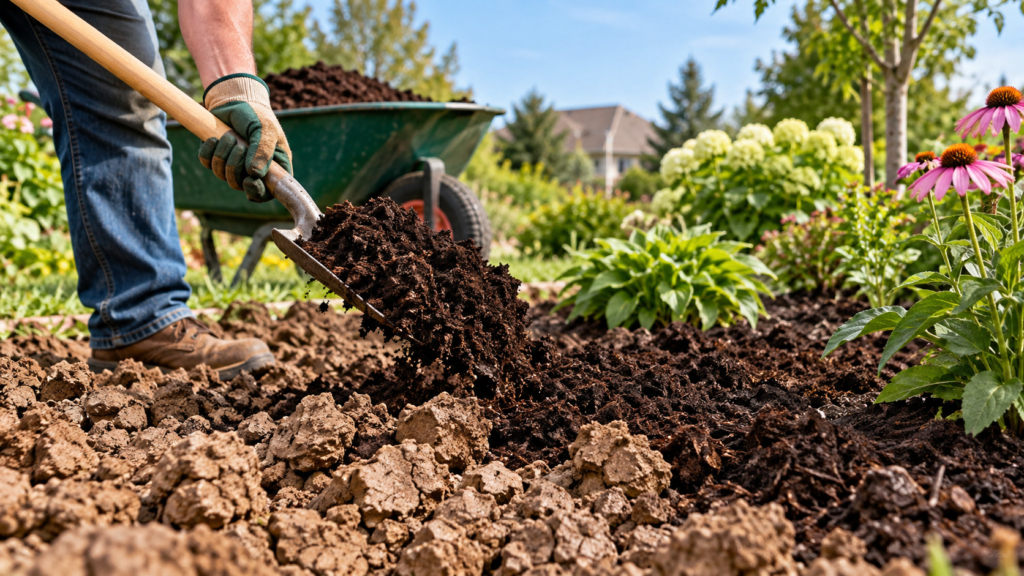
Organic mulch, particularly shredded bark or compost blends. As it breaks down, it loosens compacted clay and improves drainage over time. Inorganic mulch won’t offer that benefit and can make clay drainage problems worse.