Buffalo homeowners ask us about wood chips more than almost anything else this time of year. Between the freeze-thaw cycles we get here and the clay-heavy soil in a lot of Erie County yards, mulch matters more than people think.
If you’ve searched “wood chips near me” and landed on ten different sites promising the cheapest bag or the fastest truck, this guide is meant to cut through that.
We’ve spent years grinding trees, hauling chips, and watching what actually works in local beds and gardens.
This guide comes from what our crew at KD Nursery sees on real properties across Erie County, not a manufacturer’s brochure. No sales pitch here, just what we’d tell a neighbor.
What Are Wood Chips and Their Common Uses?
Wood chips are exactly what they sound like.
They’re pieces of tree bark, branches, and trunk wood run through a chipper, usually ranging from about the size of a quarter to a couple of inches across.
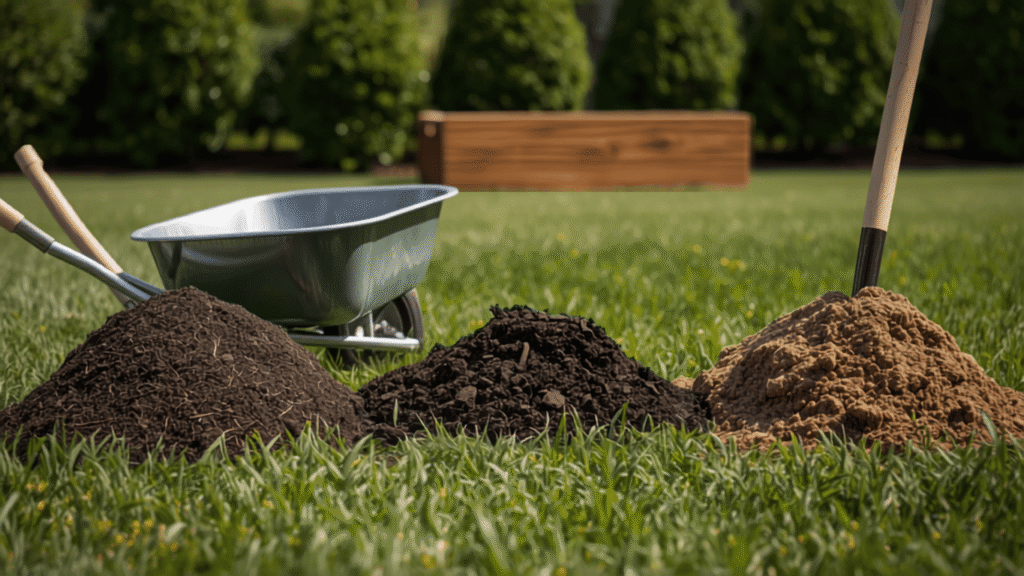
Most of what ends up in a Buffalo backyard comes from tree removals, storm cleanup, or routine pruning work. Landscapers use them for walking paths, garden beds, and playground surfaces because they break down slowly and hold moisture underneath.
Farmers and orchard owners spread them around fruit trees to suppress weeds without chemicals. Some folks even use coarser chips for erosion control on sloped yards near the lake.
The uses stack up fast once you start looking.
Benefits of Wood Chips for Landscaping and Gardening
Good mulch does more work than most people give it credit for.
A three-inch layer of wood chips keeps soil temperature steadier through our wild spring swings, and that matters when you’ve got tender perennials trying to get established. They slow down water evaporation, so you’re not out there with a hose every other day in July.
Chips also choke out weed seeds before they get sunlight, which saves hours of pulling later in the season. As they break down over a year or two, they feed earthworms and soil microbes, building better structure in that stubborn Buffalo clay.
On top of that, a fresh layer just makes a bed look finished and cared for.
That last part matters more to buyers and neighbors than folks expect.
Different Types of Wood Chips Available
Not all chips are the same, and picking the right one saves headaches down the road.
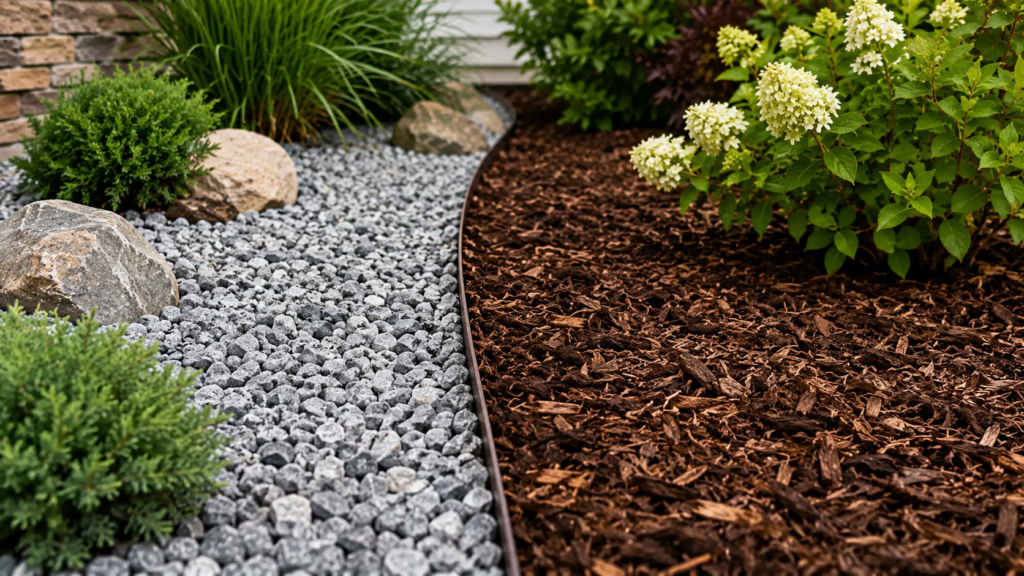
Hardwood chips, usually a mix of oak, maple, and ash around here, break down more slowly and hold their shape longer under foot traffic. Softwood chips from pine or spruce decompose faster and work well for annual beds you’ll refresh yearly anyway.
Dyed mulch chips, the black or red bagged stuff at the big box stores, look sharp for a season but fade and can leach dye into the soil. Undyed, natural chips are what we lean toward for anything near vegetable gardens or kids’ play areas.
Then there’s the coarser, unscreened variety, often called arborist chips, which comes straight off tree removal jobs and tends to be the most affordable option around.
Each type has a place depending on the job.
Average Wood Chip Prices and Delivery Costs
Pricing varies more than people expect, and it’s worth knowing before you call around.
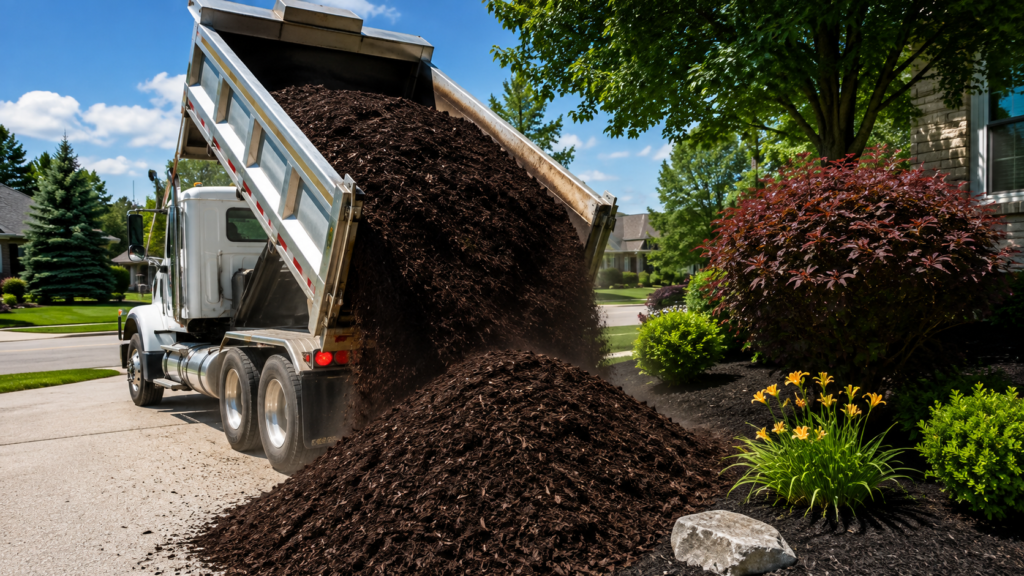
Bagged mulch at a garden center typically runs two to five dollars per two-cubic-foot bag, which adds up fast for a full yard. Bulk wood chips Buffalo suppliers sell by the cubic yard usually land between twenty and forty-five dollars, depending on whether it’s screened hardwood or rougher arborist material.
Delivery adds another layer of cost, often fifty to a hundred dollars, depending on distance from the yard or supplier. Some tree services, including ours at KD Nursery, offer free or low-cost delivery on fresh chips from active job sites since we’re already out with the truck. If you’re chasing cheap wood chips near me searches, ask local tree crews directly.
They often give away chips just to avoid hauling them back to a dump site.
That’s usually the best deal in town if the timing lines up.
How Much Wood Chips Do You Need?
Figuring the right amount keeps you from over-ordering or running short mid-project.
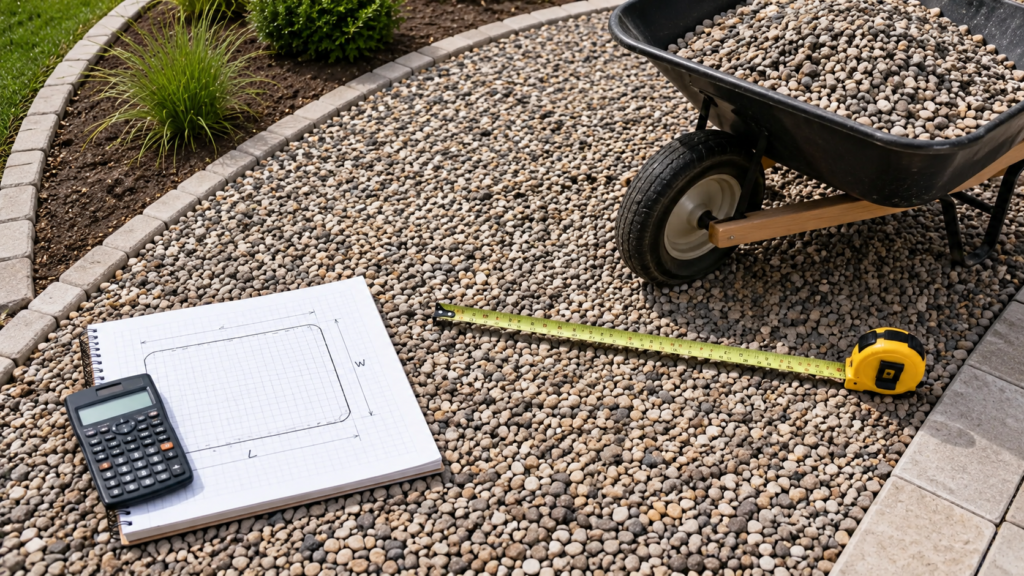
A cubic yard of wood chips covers about a hundred square feet at a three-inch depth, which is the sweet spot for most garden beds. Measure the length and width of your bed in feet, multiply them together, then divide by a hundred to get roughly how many yards you’ll need.
For a typical quarter-acre Buffalo lot with several beds and a path, most homeowners land somewhere between three and six cubic yards for a full refresh. Going thinner than two inches won’t suppress weeds well, and piling chips more than four inches deep can actually smother roots and starve them of oxygen.
It helps to sketch your beds out on paper first, so you’re not guessing at the truck.
A little math up front saves a second delivery fee later.
Wood Chips vs. Mulch: Understanding the Difference
People use these terms interchangeably, but there’s a real distinction worth knowing.
Technically, wood chips are a type of mulch, just one made from chipped wood rather than shredded bark, straw, or compost. Shredded bark mulch, the fine, fibrous stuff you see bagged at most stores, packs tighter and looks tidier in formal beds near a front entrance.
Wood chips are chunkier, drain better, and tend to last longer before needing a top-up. Straw and compost mulches break down fast and add nutrients quickly, which suits vegetable gardens more than ornamental beds.
Garden wood chips uses lean toward paths, tree rings, and perennial beds where you want something that holds up to weather and foot traffic without disappearing in a season.
Knowing which one fits your bed saves money over the long run.
Tips for Applying and Maintaining Wood Chips
Getting the application right matters as much as picking the right chips.
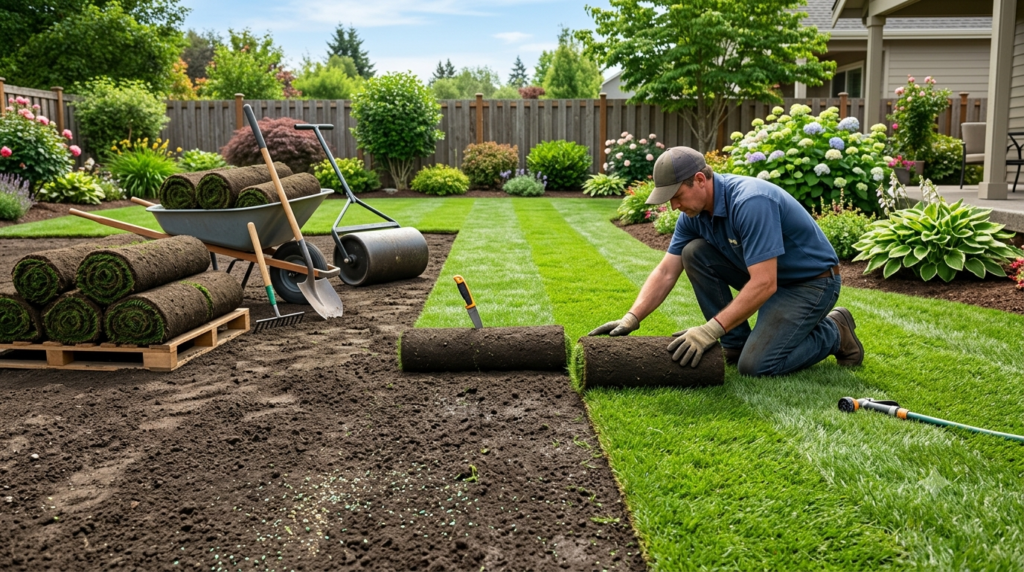
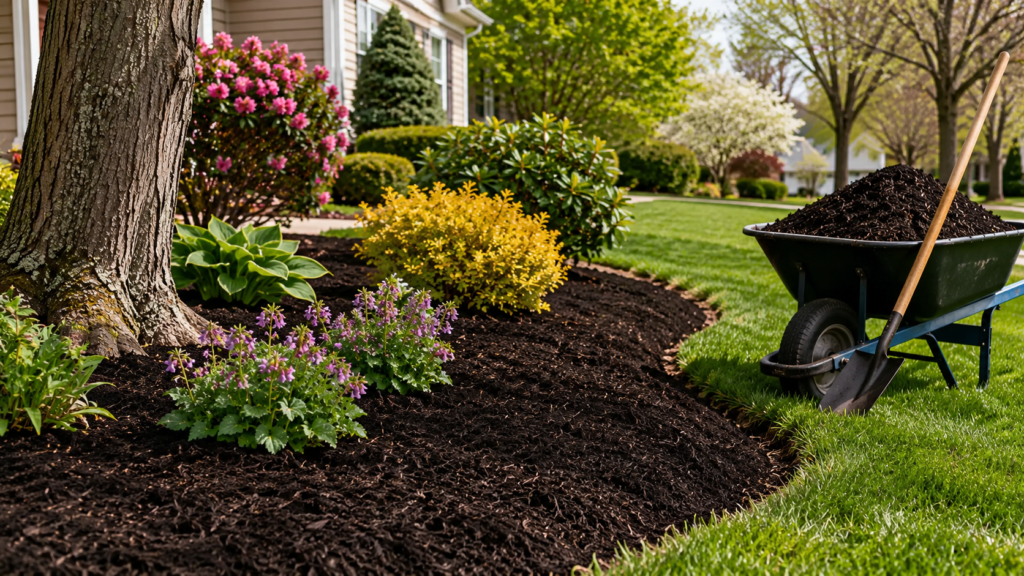
Keep mulch pulled back two to three inches from tree trunks and plant stems, since piling it against bark traps moisture and invites rot and pests. Spread a consistent two to three inch layer across the bed, using a rake to level it out rather than dumping piles and spreading thin.
Water the bed lightly after spreading it if it’s dry, which helps settle the chips and keeps them from blowing around in the wind. Check the layer each spring and fall, topping it off where it’s thinned out from decomposition or foot traffic.
Avoid mixing old, compacted chips with fresh material without turning the bed first, since matted layers can block water from reaching the roots.
A little upkeep twice a year keeps beds looking sharp without much effort.
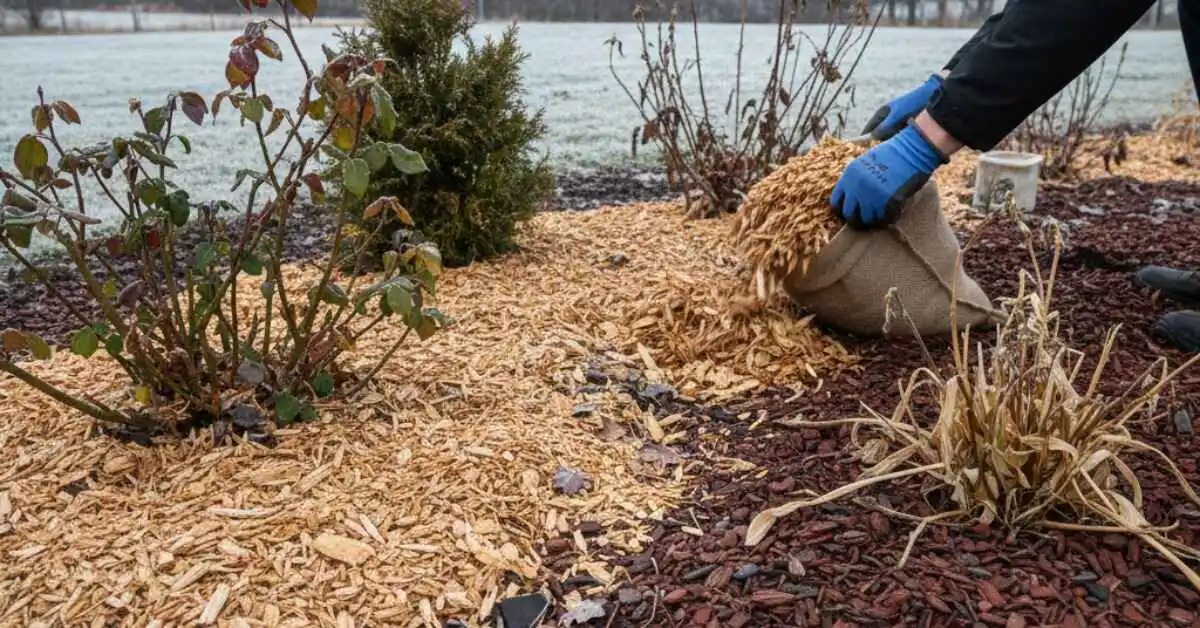
Guide to Using Wood Chips & Rubber Mulch for Winter
Learn how wood chips and rubber mulch help protect plant roots, insulate soil, reduce erosion, retain moisture, and improve landscape performance during winter. Compare the benefits of each material to choose the best option for gardens, walkways, playgrounds, and outdoor spaces throughout Western New York.
Continue Reading →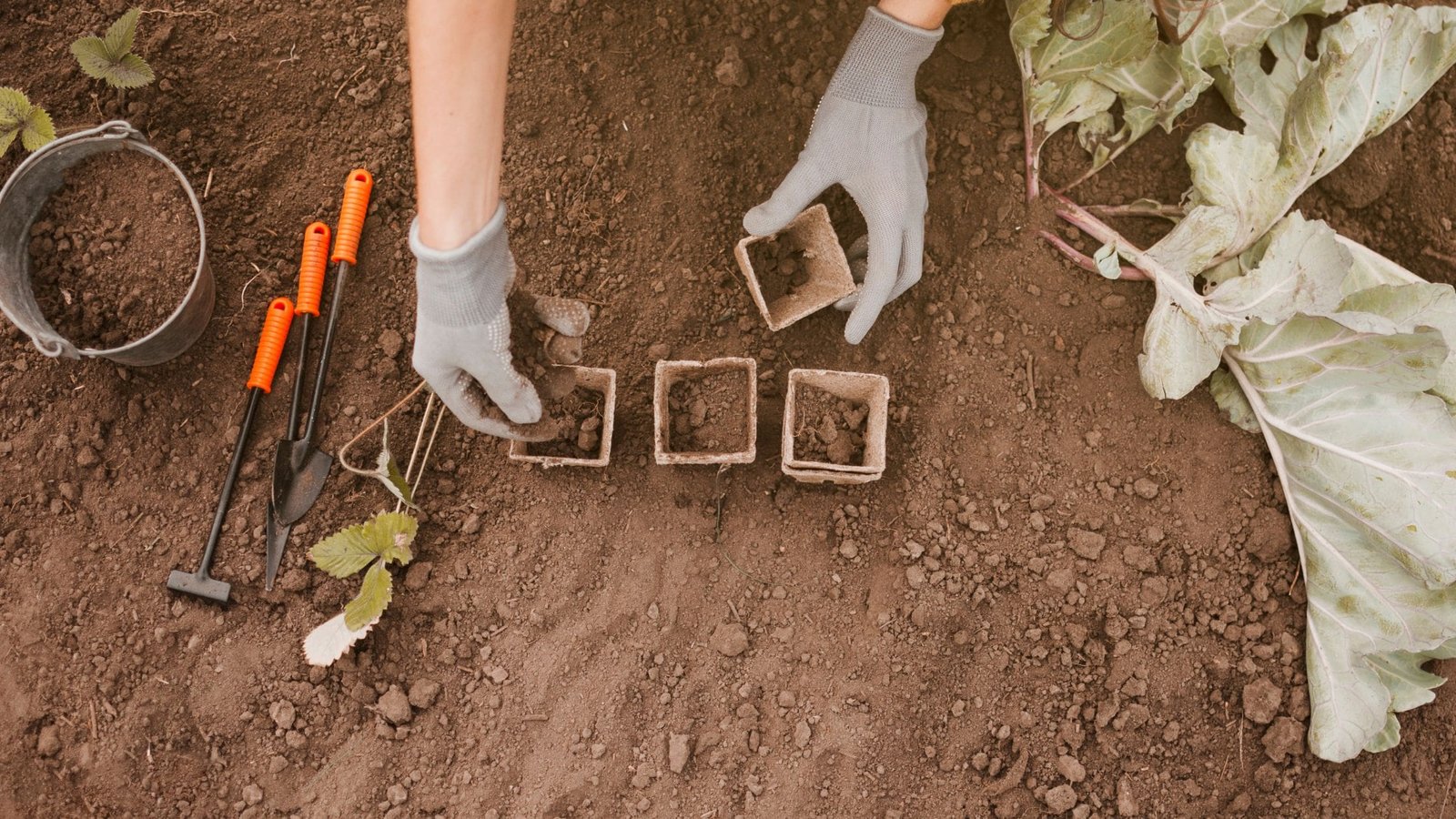
How to Winterize Garden Beds with Screened Topsoil & Compost
Discover how screened topsoil and compost improve soil structure, protect plant roots, and prepare garden beds for colder weather. Learn expert winterization techniques that promote healthier soil, stronger spring growth, and long-lasting landscape success across Western New York.
Continue Reading →Where to Find Wood Chips Near You
Buffalo has a handful of solid options depending on what you need.
Municipal drop sites in some Erie County towns offer free chips to residents, though quality and availability vary week to week. Garden centers and nurseries,
KD Nursery included, keep bagged and bulk chips in stock through the growing season for smaller projects. Local tree service companies are often the best source for bulk wood chips Buffalo residents can get delivered fast, especially right after a storm cleanup when supply is high.
Landscaping supply yards sell by the yard and usually offer delivery for larger orders. If you want wood chips delivery near me without the runaround, calling a tree crew directly during active job season is usually your fastest bet, and sometimes your cheapest one too.
Ask around, compare a couple of options, and you’ll land on something that fits your yard and your budget. Buffalo winters are hard on soil and hard on beds, so getting a fresh layer down before the ground freezes or right as spring planting starts makes the biggest difference either way.
FAQs
Are wood chips good for vegetable gardens?
Yes, but keep them in pathways rather than directly in planting beds. Fresh wood chips can temporarily pull nitrogen from the soil as they break down, which competes with vegetables. Use them around the outside of beds or as a walking surface between rows instead, and stick to compost closer to your plants.
How long do wood chips last before they need replacing?
Most wood chips last one to two years before needing a top-up, depending on type and weather exposure. Hardwood chips hold up longer than softwood chips. Buffalo’s wet winters and freeze-thaw cycles speed up breakdown, so check your beds each spring for thin or bare spots.
Can wood chips attract termites or pests?
Wood chips can attract insects, but termites specifically prefer buried, undisturbed wood rather than surface mulch. Keep chips away from your house foundation and off direct contact with siding. Turning the pile occasionally and keeping it a few inches from structures lowers the risk significantly.
Is it better to get chips delivered or pick them up myself?
Delivery makes sense for anything over two cubic yards, since hauling that much in a truck bed or trailer gets impractical fast. For smaller touch-up jobs, picking up a few bags yourself is usually cheaper. Ask your supplier what their delivery minimum is before deciding.
Do dyed wood chips harm plants or soil?
Dyed chips are generally considered safe, but the dye itself offers no benefit to plant health. Some cheaper dyes use recycled wood that may contain treated lumber, which isn’t safe near vegetable gardens. Natural, undyed chips are the safer choice if you’re unsure of the source.
What’s the difference between arborist chips and store-bought mulch?
Arborist chips come straight from tree removal or trimming jobs, often free or low-cost, and include a mix of leaves, bark, and wood. Store-bought mulch is processed, screened, and more uniform in size and color. Arborist chips work great for paths and tree rings, but look rougher in formal beds.
Can I use wood chips around newly planted trees?
Yes, and it’s actually one of the best uses for them. Spread a two to three-inch ring around the base, keeping it pulled back from the trunk itself. This helps new trees retain moisture and regulate soil temperature while their root systems establish themselves through the first couple of growing seasons.
Ready to Refresh Your Erie County Yard?
Skip the heavy lifting and overpriced bags. Get premium, local wood chips near me delivered straight to your Buffalo driveway. [Click here to schedule your bulk delivery with KD Nursery today] or call our team for a fast, free project quote!