
Look, when the sun finally hits WNY in May, everyone wants to get their hands dirty.
But there’s a massive difference between buying plants from someone who specializes in retail supply chains and buying from people who actually grow them in local soil. We’ve watched both play out on countless properties across Erie County, and the success rate always traces right back to the source.
If you’re standing in your yard right now searching for nursery stores near me on your phone, remember that proximity doesn’t guarantee a healthy root system. A box-store discount plant hasn’t been hardened off for our lake-effect climate.
The team at KD Nursery put this rundown together to show you exactly what to look for in a local plant expert, what questions to ask, and how to spot a nursery that values long-term survival over a quick spring sale.
What to Look for in a Quality Plant Nursery
Start with the stock itself.
Healthy nursery plants have firm stems, consistent leaf color, and root systems that aren’t circling tightly inside the pot.
If you gently tip a container and the roots spill out in a dense spiral, that plant’s been sitting too long, and its root structure is already compromised. You want a yard where the crew is constantly moving, culling, and caring for the stock, not a place where half-dead shrubs sit baked in the sun for three weeks waiting for someone to finally throw them out.
Look at how the yard is set up. If Hosta varieties are baking in full July sun or drought-tolerant plants are drowning in puddles, keep walking. If they don’t care enough to group plants by what keeps them alive in the yard, they won’t care about what happens to them in your soil.
It tells you the people running the place understand what each plant actually needs, not just how to price a tag and set it on a shelf.
And ask where the stock comes from. Some of it should be grown regionally, adapted to our clay soil and our freeze-thaw cycles, not shipped in from a warmer growing zone and hoping for the best.
A plant grown two states south of here can look perfectly fine in June and be dead by February, because it was never built for our winters in the first place.
Benefits of Buying Plants from Local Nursery Stores
Local growers can’t hide behind a corporate return policy. If the trees we sell die out in Clarence or Amherst during a nasty February freeze, our phones ring off the hook. Big-box stores don’t care about zone hardiness; local guys do, because our names are attached to the dirt.
Staff at a real nursery have usually killed a few plants themselves over the years, tried them in different spots, and learned firsthand what holds up through a Buffalo-area winter and what doesn’t.
There’s also the advice that comes free with the purchase.
When you buy from someone who knows the property types around Clarence, Amherst, and the surrounding towns, you’re getting recommendations based on actual local growing conditions instead of a generic care tag written for a national audience.
That local knowledge is worth more than a slightly lower price tag at a store that can’t tell you anything about your specific soil.
Supporting a nearby operation also means better follow-up.
If a shrub struggles after planting, a local nursery will often talk you through it, sometimes even walk the property if it’s a bigger job.
Try getting that kind of service from a warehouse that shipped your plant in a box.
Questions to Ask Before Purchasing Trees and Shrubs
Before you buy anything with a trunk, ask about the mature size.
A tree that looks small and manageable in a five-gallon pot can outgrow a foundation planting spot within a decade, and by then you’re paying someone to remove what you planted yourself.
Ask specifically how tall and how wide it’ll get at maturity, not just what it looks like today.
Ask about sun and soil requirements, too, and be honest about your actual yard conditions instead of what you wish they were.
A tree that wants full sun and good drainage will struggle in a low, shaded corner, no matter how well it was grown. Good nursery staff will steer you away from a plant that’s wrong for your spot, even if it means a smaller sale.
And ask about the warranty policy.
Reputable nurseries typically guarantee trees and shrubs for a defined period, usually a full growing season, provided you follow basic care instructions. If a place won’t stand behind what they sell, that tells you something about how much confidence they have in their own stock.
How to Choose Healthy Plants That Last
Look past the flowers.
A plant in full bloom looks appealing, but blooms fade fast, and they’re not the best indicator of long-term health. Check the leaves instead for even color, no yellowing or brown spotting, and no visible pest damage on the undersides, where problems tend to hide first.
Look right where the stem hits the dirt. If you see roots wrapping tightly around the trunk like a noose, leave it there. That’s a girdled root, and it’s a ticking time bomb. The tree might look fine this summer, but five years down the road, it’ll literally choke itself to death right in your front yard.
If you can, gently slide the plant partway out of its container.
Roots should be white or tan and spread outward, not brown, mushy, or matted into a solid clump. A few minutes of checking at the point of purchase saves a lot of disappointment come August.
Seasonal Plants Available at Local Nurseries
Spring brings the annuals and early perennials, along with the bulk of tree and shrub planting, since roots establish well before summer heat sets in.
Early summer shifts toward vegetables, hanging baskets, and heat-tolerant perennials that fill in garden beds fast. By late summer, fall mums and ornamental grasses start showing up, along with the second good planting window for trees and shrubs before the ground freezes.
Winter isn’t dead season either, even though it looks that way from the parking lot. Many nurseries carry cut greens, wreaths, and indoor houseplants through the colder months, and some take custom orders for spring so you’re not scrambling in April trying to find a specific variety everyone else wants too.
Garden Supplies and Services Offered by Nursery Stores
Beyond plants themselves, a solid local plant shop typically carries mulch, topsoil, compost, and soil amendments suited to regional conditions. That matters more than people think. Generic bagged soil from a hardware store isn’t formulated for our clay-heavy ground the way a local blend often is.
Many nursery stores also offer delivery for bulk materials, planting consultations, and sometimes installation services for larger landscaping projects.
If you’re tackling a full yard redesign rather than a single garden bed, ask what services are available beyond the retail counter. It can save you from coordinating three separate contractors for one project.
Why Local Plant Experts Matter for Landscaping Success
Look, when you type nursery stores near me into your phone, the algorithm just looks at GPS coordinates; it doesn’t look at your dirt. Real landscaping success comes down to matching the right plant to the right spot, and that takes actual grease-under-the-fingernails knowledge of local WNY conditions.
KD Nursery has spent years watching what actually thrives in Clarence and the surrounding Western New York towns, not just what looks good on a nursery tag written somewhere else.
That experience shows up in the small decisions. Knowing which varieties handle road salt spray near a driveway.
Knowing which shrubs hold up against deer pressure in this area. Knowing when the ground’s actually workable in spring instead of just going by the calendar. None of that comes from a corporate plant guide. It comes from years of hands-on work on properties like yours.
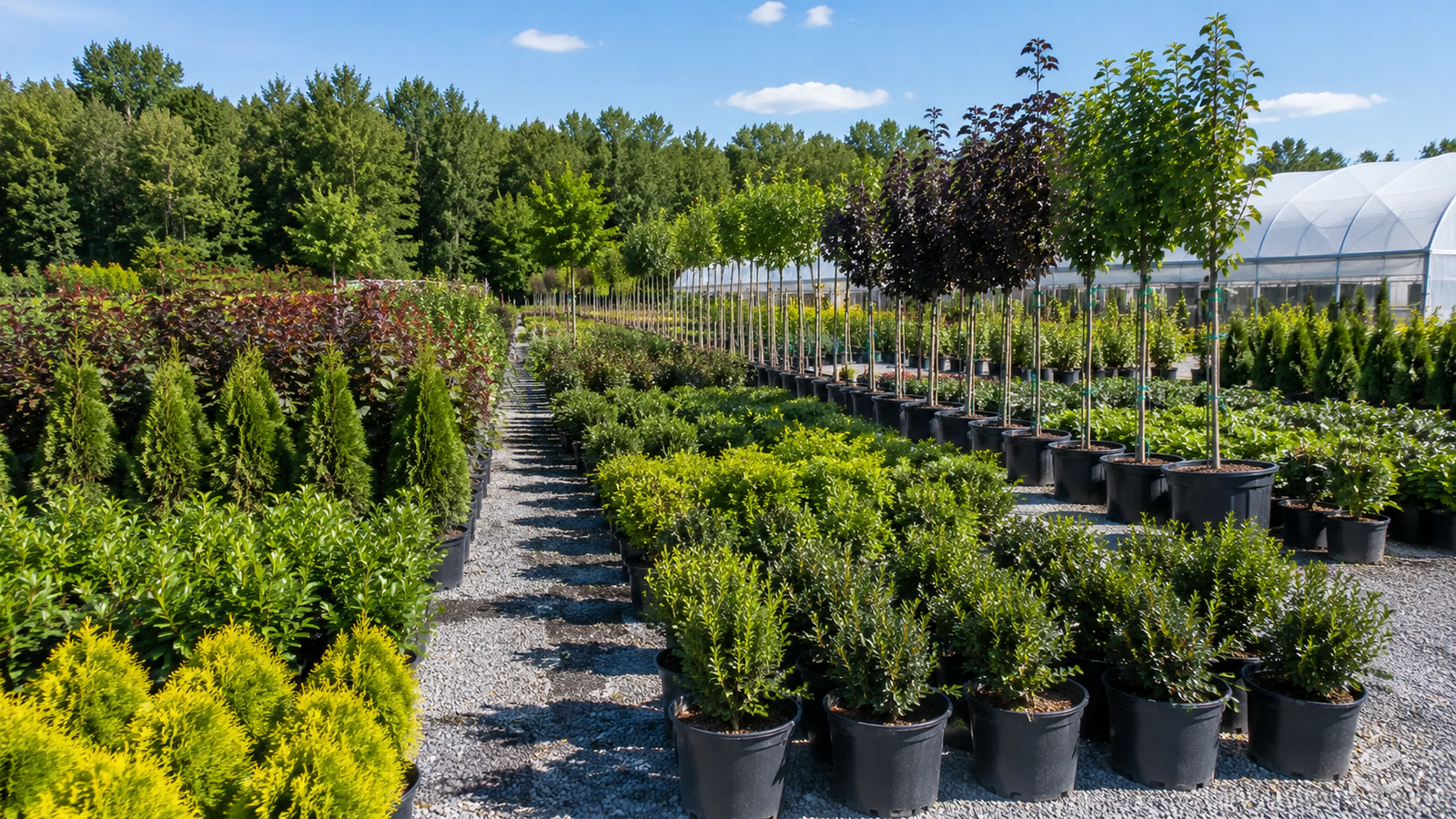
Wholesale Nursery in Clarence, NY: Bulk Plants & Savings
Save on premium trees, shrubs, perennials, mulch, topsoil, and landscaping materials by purchasing in bulk. Learn how wholesale nursery products help homeowners, landscapers, and contractors complete projects more efficiently while reducing overall costs without compromising quality.
Continue Reading →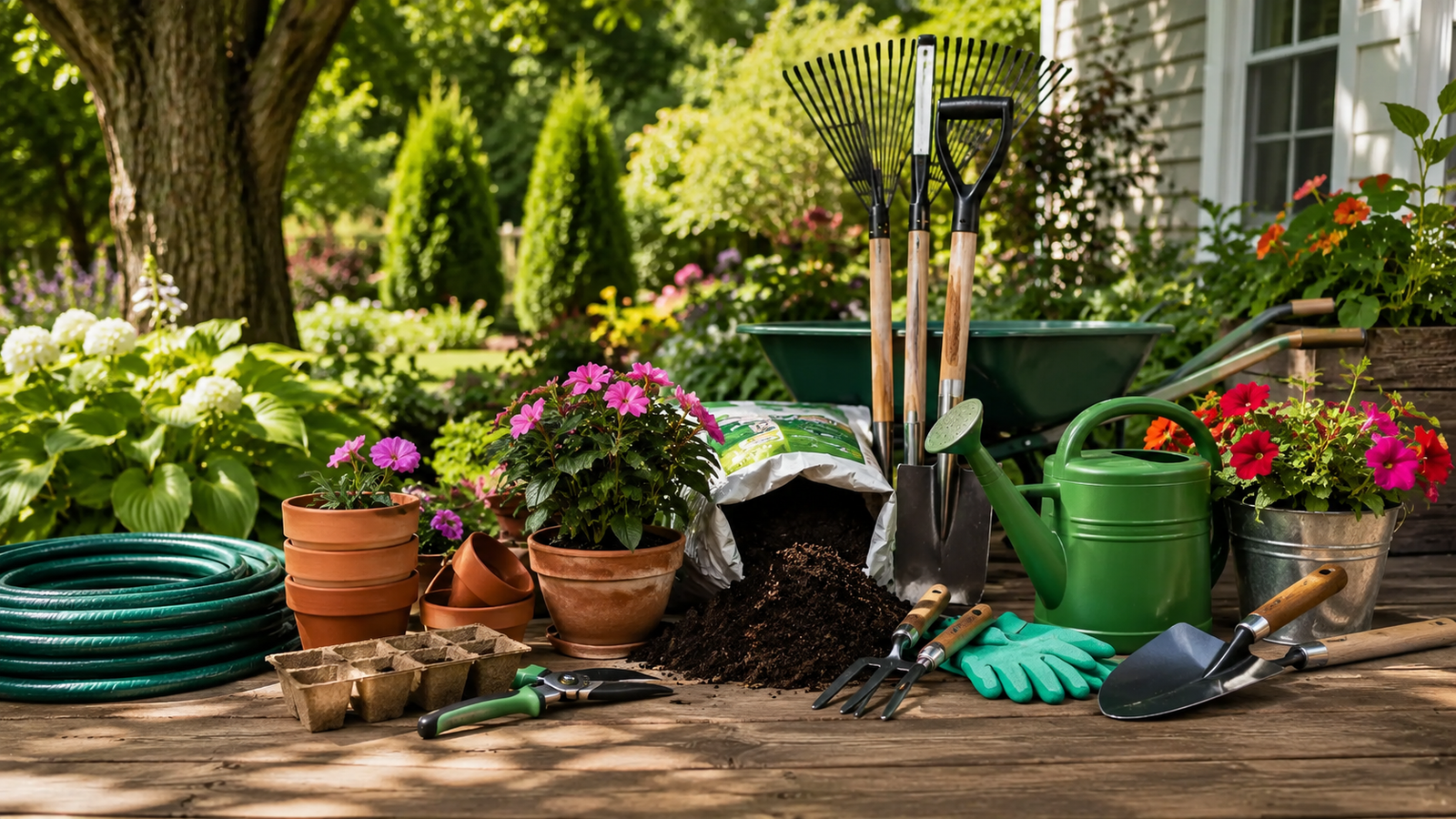
Essential Garden Supplies in Clarence, NY for Every Home
Discover the essential gardening supplies every homeowner needs, from nutrient-rich soil and mulch to fertilizers, hand tools, and plant care products. Find practical solutions that support healthy plant growth, simplify landscape maintenance, and keep your outdoor spaces thriving throughout every season.
Continue Reading →Finding the Best Nursery Store Near You
When you’re comparing your options for the “best nursery stores nearby’’, look past the closest pin on a map. A slightly longer drive to a nursery with knowledgeable staff and healthy stock beats a nearby lot with tired plants and nobody around who can answer a question.
Read a few reviews, but also just visit and look around.
You’ll know within a few minutes whether a place takes care of its plants or just moves inventory.
KD Nursery has been part of the Clarence community for years, and that’s the standard we hold ourselves to every season. Whether you’re planting a single tree or redoing an entire yard, the goal is the same: get you plants that actually make it, and honest advice along the way.
FAQs
What should I look for when visiting a plant nursery near me open now?
Check for firm stems, even leaf color, and roots that aren’t tightly circling the pot. Look at how plants are grouped by sun and water needs, which shows the staff understands proper care. Ask where stock is sourced from, since regionally grown plants handle our winters better.
How do I know if a nursery sells locally adapted plants?
Ask directly where their trees and shrubs are grown. A nursery that sources regionally, or grows a portion of its own stock, will usually say so without hesitation. If nobody can answer, that’s often a sign the inventory came from a distant grower unfamiliar with our climate.
When is the best time to buy trees and shrubs in Western New York?
Spring and early fall are the strongest windows, since roots establish before summer heat or winter freeze sets in. Summer planting works too with consistent watering, but it demands more attention. Avoid planting trees right before a hard freeze whenever possible.
Do local nurseries offer better warranties than big-box stores?
Often, yes. Many local nurseries guarantee trees and shrubs for a full growing season if basic care instructions are followed, since they’re confident in the stock they’ve grown or sourced carefully. Big-box warranties tend to be shorter or harder to actually use.
What’s the difference between a garden center and a nursery?
A nursery typically grows, or sources plants with an emphasis on horticultural knowledge, while a garden center may focus more broadly on supplies, décor, and pre-grown stock from various sources. Many operations blend both, but staff expertise is the real differentiator to look for.
Can a garden nursery near me help with a full landscaping project?
Many can, either directly through installation services or through planting consultations and material delivery. It’s worth asking what’s available beyond retail purchases, especially for larger jobs, since coordinating everything through one knowledgeable source often works out simpler than managing several contractors.
How do I keep newly purchased plants alive after I bring them home?
Water deeply and consistently for the first few weeks, especially trees and shrubs, since their root systems are still establishing. Avoid fertilizing immediately after planting. Ask the nursery for specific care instructions for each variety, since needs vary widely by species and season.