If you’ve spent any time working the soil around Erie County, you know Western New York weather doesn’t play nice. One week, we’re dealing with a late May frost, and the next, a blistering July dry spell.
Over the years, we’ve seen too many homeowners get excited in the spring, load up their shopping carts at a big-box parking lot, and spend hours planting, only to watch their investment turn brown and brittle by August.
The corporate mega-stores, what we like to call “The Enemy” of a thriving landscape, truck their stock in from hundreds of miles away. These plants are pumped full of temporary fertilizers to look good on a concrete shelf, but they lack the root structure to survive Clarence winters. When you want a landscape that actually lasts, you need to know where to look.
When hunting through plant nurseries in Clarence, NY, skip the bargain-bin hunting. You need hard-nosed, acclimatized stock built to handle our brutal local clay.
Benefits of Shopping at Local Plant Nurseries
When you buy from local plant nurseries, Clarence, growers run, you’re purchasing plants that have already adapted to our specific climate. They’ve already survived our unpredictable spring shifts and grown in the same weather, hitting your own backyard.
Aside from getting tougher plants, you’re paying for real, boots-on-the-ground field experience. Out-of-town chain suppliers can’t tell you why your hydrangeas aren’t blooming or how to handle the aggressive drainage issues near the Tonawanda Creek watershed. Local nursery teams live here.
Locals know the soil, the local pests, and exactly how much sun a plant will actually get on the north side of a traditional Clarence colonial home.
How to Identify Healthy Nursery Plants
Before you spend a dime, you need to inspect your choices like a contractor inspects lumber. Don’t just look at the pretty flowers; look at the mechanics of the plant.
- Check the Roots: Gently slip the plant out of its plastic container if you can. You want to see thick, white, or light-tan root tips. If the roots are circling the inside of the pot like a tightly wound ball of twine, the plant is root-bound. It will struggle to absorb water once planted in your yard.
- Inspect the Foliage: Look at the undersides of the leaves and the joints of the stems. Watch out for webbing, sticky residue, or tiny speckles, which indicate pests.
- Look for Proportional Growth: A super-tall, spindly plant usually means it was crowded out and starving for light. Pass on those and look for stocky, well-branched plants instead.
Affordable Plants for Every Landscaping Budget
Beautiful curb appeal along layered neighborhoods like Spaulding Green or out toward Hunts Corners shouldn’t require a second mortgage. If you’re hunting for cheap plants in Clarence, NY, the secret lies in strategy rather than buying low-quality clearance items.
Instead of buying massive, mature shrubs, buy smaller three-gallon or even one-gallon containers. Fast-growing varieties like certain viburnums or dogwoods will catch up to their larger, more expensive counterparts within two seasons anyway. Another pro-tip is to invest heavily in groundcovers.
A few flats of pachysandra or creeping phlox are highly affordable and will spread naturally over time, saving you hundreds of dollars in bark mulch year after year.
Annual Flowers vs. Perennials: What’s Best?
I get asked this question on almost every job site. You need a mix of both on your property, but you’ve got to use them strategically.
| Plant Type | Lifespan | Pros | Cons | Best Used For |
| Annuals | One season | Non-stop, vibrant color from May until the first hard frost. | Die completely in winter; must be replanted every spring. | Porch containers, window boxes, and front walkway borders. |
| Perennials | Return year after year | Deep root systems; cost-effective long-term investment. | Shorter blooming windows (usually 2-4 weeks per season). | Structuring the backbone of your garden beds. |
If you are hunting for the best nursery plants near me, plan for a 70% perennial base to give your yard structure, then leave 30% of your bed space open for annual punches of color.
Native Plants for Western New York Gardens
If you want a low-maintenance yard, stop fighting Mother Nature. Native plants have spent thousands of years adapting to our local ecosystem. They don’t need heavy chemical fertilizers, and once established, they handle our summer droughts beautifully.
Some excellent choices for Clarence’s yards include:
- Coneflower (Echinacea): Tough as nails, thrives in full sun, and birds love the seeds in the winter.
- New England Aster: Provides critical, vibrant purple color late in the season when everything else is dying back.
- Oakleaf Hydrangea: Offers beautiful summer blooms, stunning fall foliage, and peeling bark that looks great against winter snow.
Leaning on these local survivors keeps your weekend maintenance down and keeps your property looking like it actually belongs in Western New York.
Seasonal Planting Tips for Better Growth
In Western New York, you work on Mother Nature’s clock. Our planting window is tight, but time it right and the dirt does the heavy lifting for you.
Spring Focus
Get your cold-hardy vegetables and early perennials in the ground once the soil can be worked. However, hold off on your tender annuals and warm-weather hanging baskets until after Mother’s Day, our region is famous for sneak-attack frosts in mid-May.
Summer Management
July and August are about survival. If you must plant during the heat of the summer, do it on an overcast day. Water deeply early in the morning so the moisture reaches the roots before the midday sun evaporates it.
Fall Advantages
September is actually the best-kept secret for planting trees, shrubs, and perennials. The soil is warm, the autumn rains do the watering for you, and the plants can focus all their energy on root development without dealing with scorching summer heat. Stock up on seasonal plants, Clarence Nurseries offers discounts late in the year to get a massive jump on next spring.
Common Nursery Plant Diseases to Watch For
Bringing a sick plant home is like inviting a termite into a log cabin; it can spread to your existing, healthy landscape fast. Keep your eyes peeled for these common red flags:
Powdery Mildew: A white, dusty coating on leaves, common in crowded nursery settings with poor airflow.
Root Rot: If the soil smells sour, metallic, or like rotting eggs, the plant has been sitting in stagnant water. The roots are likely dying.
Leaf Spot: Distinct black or brown circles with yellow halos. This is a nasty fungus that will strip the leaves right off a bush if you let it get a foothold.
If a leaf looks off, don’t guess. Bring a picture to a crew that knows its stuff so they can flag the issue before it spreads to your yard.
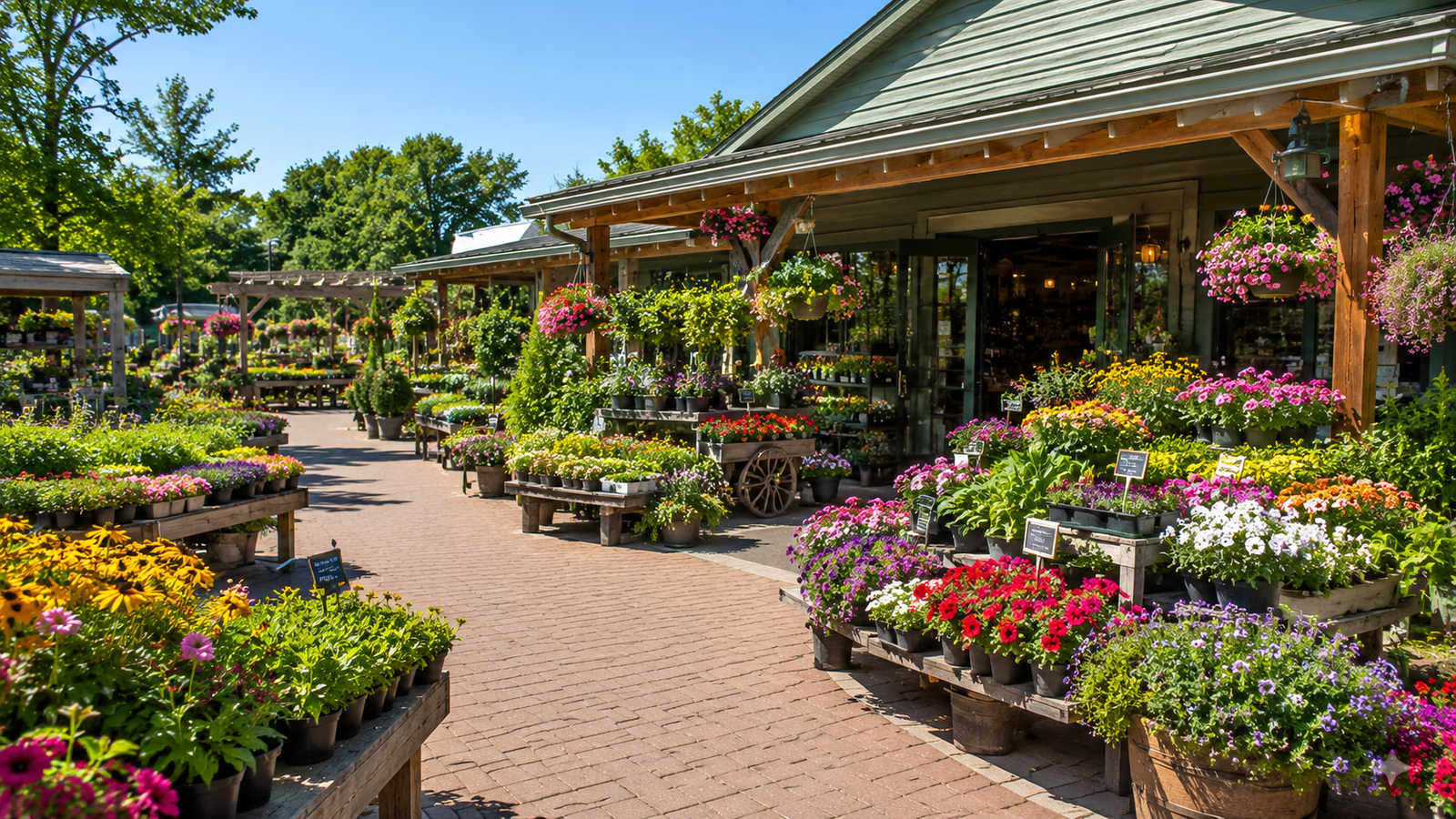
Top Garden Center in Clarence, NY for Quality Plants & Supplies
Discover what makes a top garden center in Clarence, NY the right choice for your landscape needs. Find quality plants, gardening supplies, and expert advice for beautiful outdoor spaces.
Continue Reading →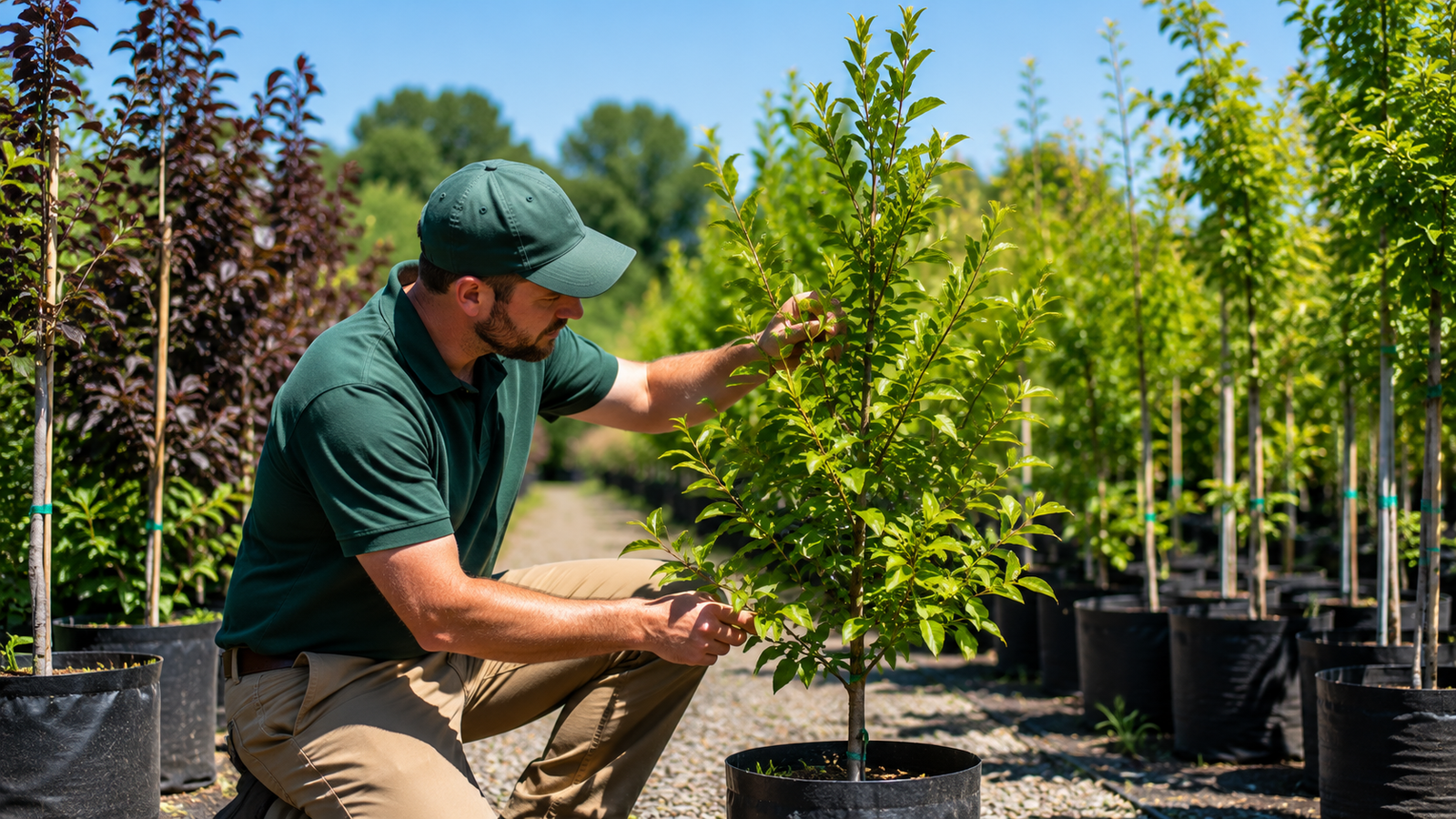
How to Choose the Right Tree Nursery in Clarence, NY
Learn how to choose the right tree nursery in Clarence, NY by evaluating tree quality, healthy varieties, expert guidance, and plants suited for Western New York landscapes.
Continue Reading →Caring for New Plants After Purchase
The first two weeks after you dig a hole are the most critical in a plant’s life. It’s suffering from transplant shock; it just went from a cozy plastic pot with perfect drainage to the heavy, dense soil of your yard.
- Dig the Hole Right: Make the hole twice as wide as the root ball, but no deeper. Burrow a tree or shrub too deeply, and you’ll suffocate the trunk, basically begging for rot to set in.
- Break Up the Native Soil: Don’t just fill the hole with pure bag soil. Mix your native Clarence clay with compost so the roots learn to push through the local ground.
- Water Deeply and Slowly: A quick splash with the hose doesn’t cut it. Leave a hose on a slow trickle at the base of the plant for 10 minutes. This ensures the water reaches the bottom of the root zone, encouraging the roots to grow downward rather than staying shallow.
FAQs
What’s the biggest mistake you see homeowners make when picking plant nurseries in Clarence, NY?
They buy for the immediate bloom rather than checking the root structure. If you buy a root-bound plant from a subpar setup, it’s going to choke out and die in our heavy clay, no matter how pretty it looks today.
Our Clarence clay soil is tough as concrete. Do I need to swap it all out?
Absolutely not. If you fill a hole with pure topsoil, you create a “bathtub effect” that drowns the roots. Mix your native clay 50/50 with high-quality compost so the plant adapts to the actual grade of your yard.
When is it too late in the year to get trees and shrubs in the ground around here?
As long as you can get a shovel into the dirt, you can plant. In Western New York, you can safely install hardy deciduous trees and shrubs right up until the ground freezes, usually into late November.
How do I keep deer from treating my new landscape like an all-you-can-eat buffet?
If you’re near the woods in Clarence, skip the hostas. Stick to deer-resistant workhorses like boxwoods, ornamental grasses, and cone-flowers. Alternatively, spray a commercial rotted-egg repellent on the exact day you plant to break their foraging habits early.
I don’t have a truck. How do I transport larger trees without destroying them on the drive home?
Never let a tree ride in an open truck bed without a tarp over the canopy. Driving 45 mph down Transit Road will cause severe windburn, stripping moisture from the leaves and sending the tree straight into shock.
Every time I plant a new shrub, it dies within a year. Am I watering too much or too little?
Usually, it’s a case of frequent, shallow watering. A daily two-minute sprinkle only wets the surface, causing shallow roots that bake in July. Give it a slow, deep soak twice a week instead to force roots downward.
Should I prune back my new perennials right after I put them in the dirt?
Leave your shears in the truck for now. The plant needs every leaf it has to photosynthesize and build up energy for root establishment. Only prune away stems that were genuinely broken or split during transport.
Let’s Build a Landscape That Lasts
You don’t have to guess your way through your next landscaping project or worry about wasting money on green goods that won’t survive the year. If you want to see healthy, hardened stock grown specifically for our Western New York climate, come visit us at KD Nursery. Let’s walk the rows, look at your yard’s layout, and find the exact plants that will thrive on your property for years to come.