Every spring, the same call comes in. A homeowner in Clarence spent the weekend driving out to a big-box store and loaded up the truck with plants that looked great under fluorescent lighting, and two weeks later, half of them are struggling because nobody mentioned that Erie County clay soil drains differently than what those plants were grown for.
It’s not the homeowner’s fault. They didn’t know what questions to ask. That’s exactly why shopping at a local garden center in Clarence, NY, changes everything. The difference isn’t just selection. It’s guidance from people who’ve watched these same landscapes grow for decades.
At KD Nursery, that’s the standard we hold every interaction to. Not upselling. Not moving product. Helping you make the right call for your specific yard, the first time.
Why Shop at a Local Garden Center in Clarence, NY?
Big-box garden sections look appealing in March. Wide aisles, low prices, everything stacked high. Here’s the problem: those plants were sourced regionally at best and are rarely matched to the specific demands of Western New York’s growing conditions.
Clarence sits in USDA Hardiness Zone 6a. That matters. Late frosts can push into May. Lake-effect moisture affects soil conditions well into the season. A local Clarence plant and garden supplies specialist knows this and stocks accordingly.
When you walk into a local shop, you’re getting advice that’s been earned on Western New York soil. You’re also buying plants that were hardened off locally, not shipped from a greenhouse in Georgia and placed on a pallet overnight. That’s the difference between a plant that thrives and one that just survives.
Best Seasonal Plants for Western New York Landscapes
Western New York has a shorter growing window than homeowners new to the area often expect. A hard frost kills tender annuals that were fine in October down south. Knowing what to plant and when saves real money.
Early-season favorites that hold up here include pansies, snapdragons, and violas, which tolerate cold snaps without drama. Once we’re solidly past Mother’s Day, you can plant warm-season annuals with confidence: petunias, zinnias, impatiens, and marigolds all perform well in Erie County’s summer heat. For fall interest, ornamental kale, mums, and asters are strong choices that carry color into October without babysitting.
The honest advice? Don’t rush it. The homeowners who plant too early, chasing the first 60-degree weekend in April, are often the ones back at the local garden shop in NY replacing frost-killed transplants in May. Wait two weeks after the last expected frost date. Your yard will look just as good, and you’ll spend half the money.
Annuals vs. Perennials: Which Plants Should You Buy?
This question comes up constantly. The short answer: both have a place, and the right mix depends entirely on your goals and budget.
Annuals finish out the season and get replaced. These varieties provide continuous, vibrant color from May until the first frost, though they require replanting every spring. Perennials come back each season and spread over time, meaning the investment pays off differently. Year one, they look modest. Year three, they fill the space.
A common mistake we see on Clarence properties: homeowners go all-perennial because they don’t want the yearly cost and then wonder why the garden looks sparse in June. Perennials have bloom windows, not season-long color.
Mixing in even a few annuals fills those gaps without turning it into a high-maintenance operation. If you’re building a new bed from scratch, start with a solid perennial structure and layer annuals for color while the perennials establish.
Essential Gardening Supplies Every Homeowner Needs
You can buy the best plants in Erie County and still struggle if the supporting supplies aren’t right. A few things worth keeping on hand:
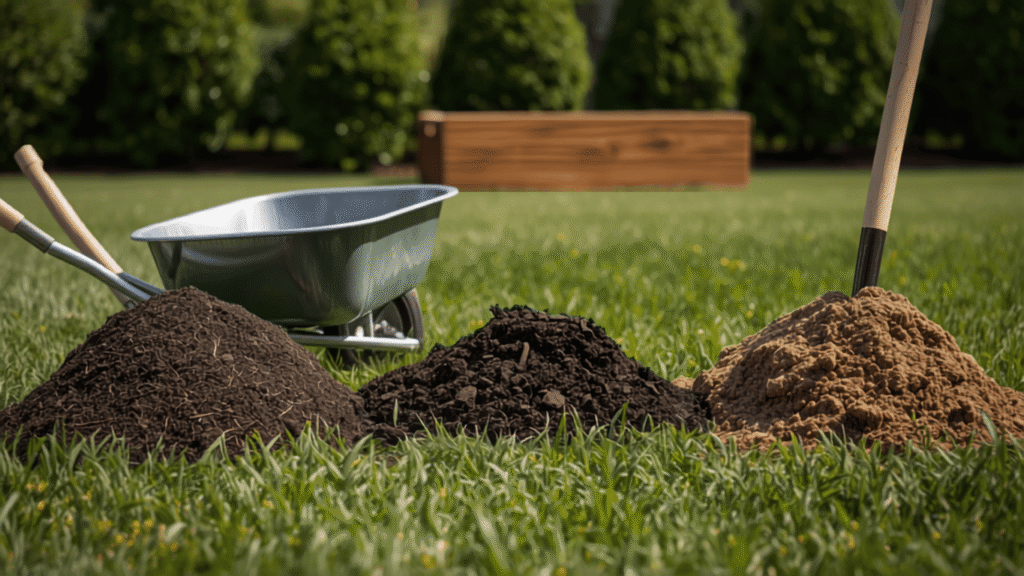
- Quality compost or amended garden soil – Erie County’s clay base needs organic matter worked in consistently
- A pH test kit – Western NY soil often runs slightly acidic, affecting nutrient uptake
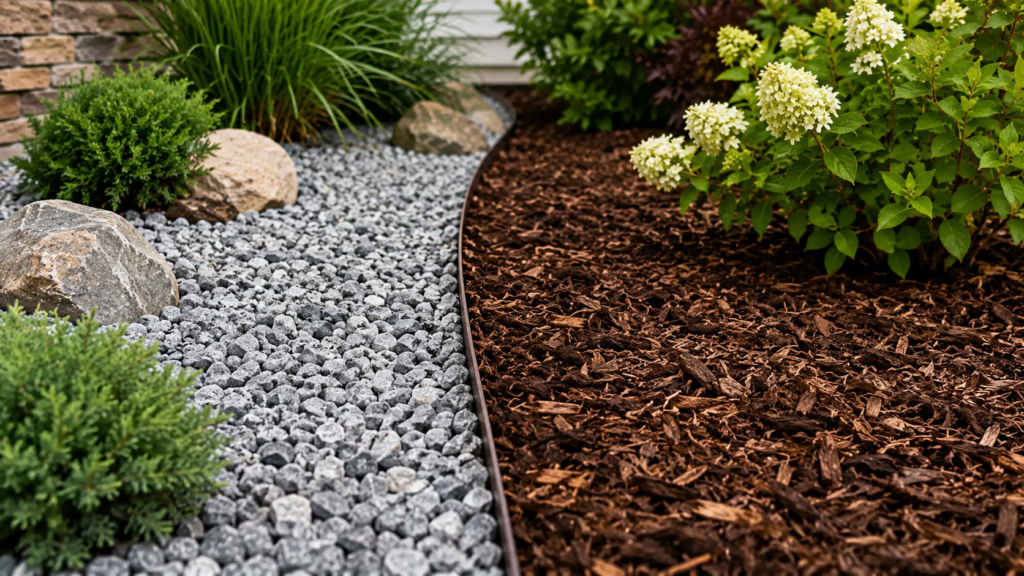
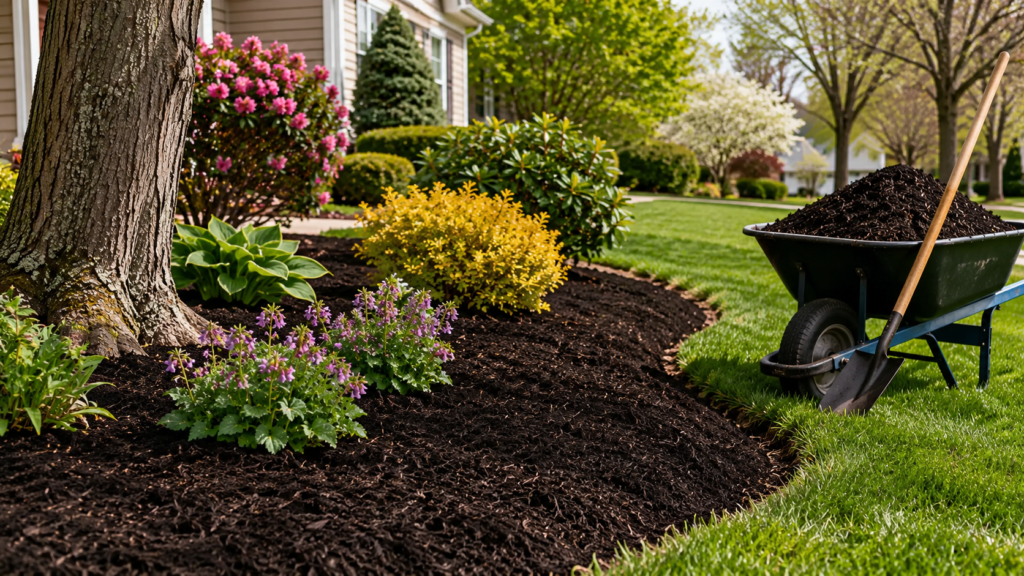
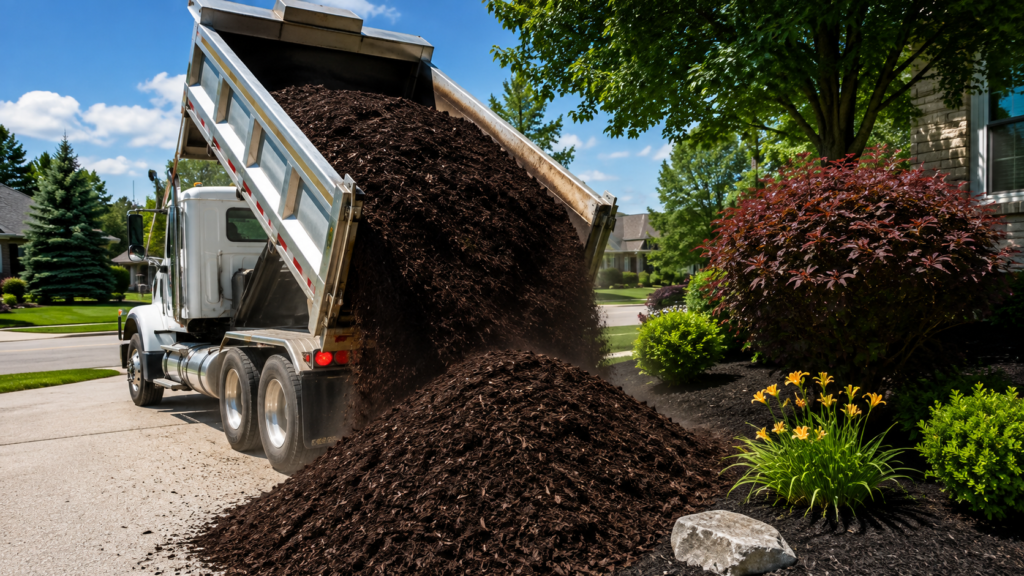
- Mulch – 2 to 3 inches suppresses weeds and retains moisture during the July heat
- Slow-release granular fertilizer – Especially for first-year plantings that need root establishment support
- Bypass hand pruners – Not the anvil type. Clean cuts prevent disease entry points on woody stems.
The counterfeit and off-brand tool problem is real. Cheap pruners that can’t hold an edge do more damage than good. Invest once in decent hand tools, maintain them properly, and they’ll outlast a dozen cheap replacements.
How to Select Healthy Plants at a Garden Center
Most homeowners pick by what looks prettiest in the moment, biggest blooms, tallest stems, and most color. We get why people do it, but grabbing whatever looks flashy on the shelf sometimes sets you up for a headache later.
Here’s what actually matters: check the roots before you check the flowers. Gently tip the container. If roots are circling hard at the bottom of the pot, the plant is rootbound and has been sitting too long. Look for firm white or tan roots, not brown mush.
On the foliage side, watch for yellowing lower leaves, which is usually overwatering or nutrient deficiency at the wholesale level. Check the underside of leaves for pest damage: stippling (tiny dots) often signals spider mites, and sticky residue usually means aphids.
A plant in bud with no open flowers will outperform a plant in full bloom almost every time. It has energy to redirect into root establishment rather than sustaining existing flowers. Staff at a top garden center in Clarence should walk you through the selection without hesitation.
Native Plants That Thrive in Clarence, NY
This is where a lot of homeowners are leaving value on the table. Native plants are underused in residential landscapes around Western New York, and they shouldn’t be.
Species like coneflower (Echinacea), black-eyed Susan, wild bergamot, and butterfly weed are adapted to exactly the soil and climate conditions in Erie County. They don’t need supplemental fertilizer once established. They handle drought stress without wilting. They support pollinators that generic ornamentals don’t.
Red osier dogwood does well in wet areas that other shrubs struggle with. Wild columbine performs in partial shade near tree lines, common in the older wooded lots throughout Clarence. These aren’t just low-maintenance plants; they’re right for the land.
If someone’s selling you a landscape plan heavy on exotic ornamentals that need constant amendments and special irrigation, that’s their business model talking, not your yard’s best interest. KD Nursery carries native and regionally adapted species specifically because we’ve seen how much better they perform here over the long haul.
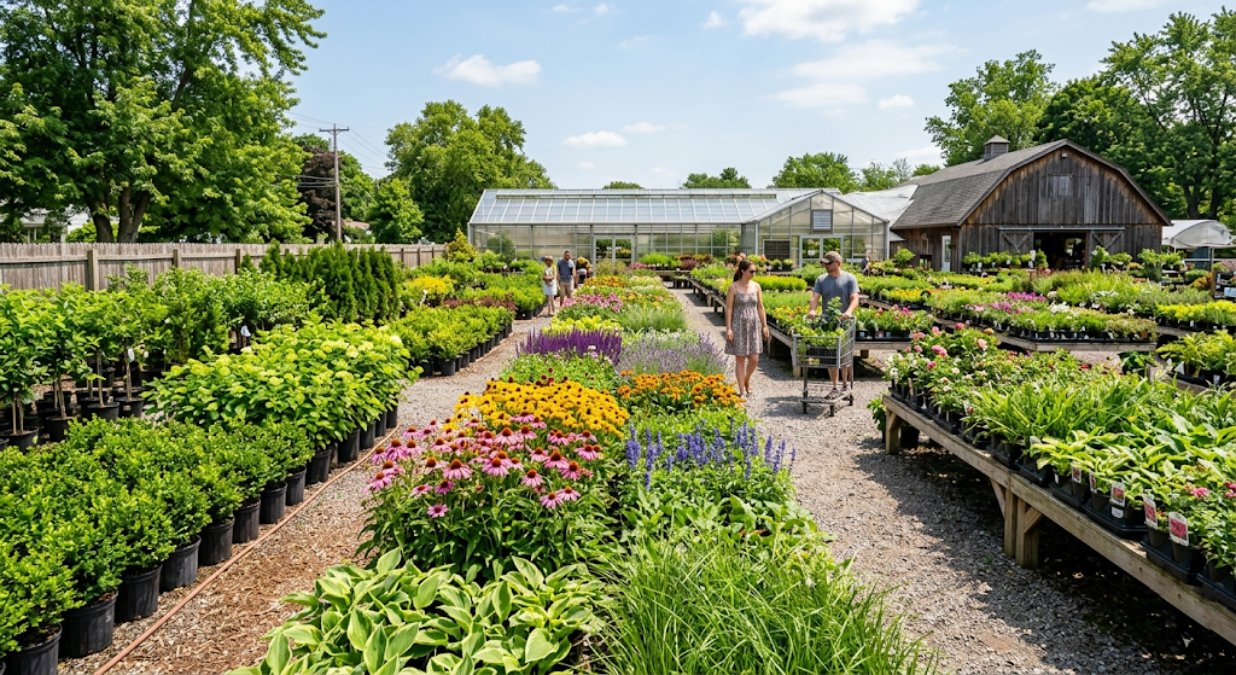
Best Plant Nursery in Buffalo, NY Before You Buy Plants
Discover what to look for when choosing a plant nursery in Buffalo, NY. Learn how healthy plant selection, expert guidance, local growing knowledge, and quality nursery stock can help homeowners create thriving landscapes and gardens.
Continue Reading →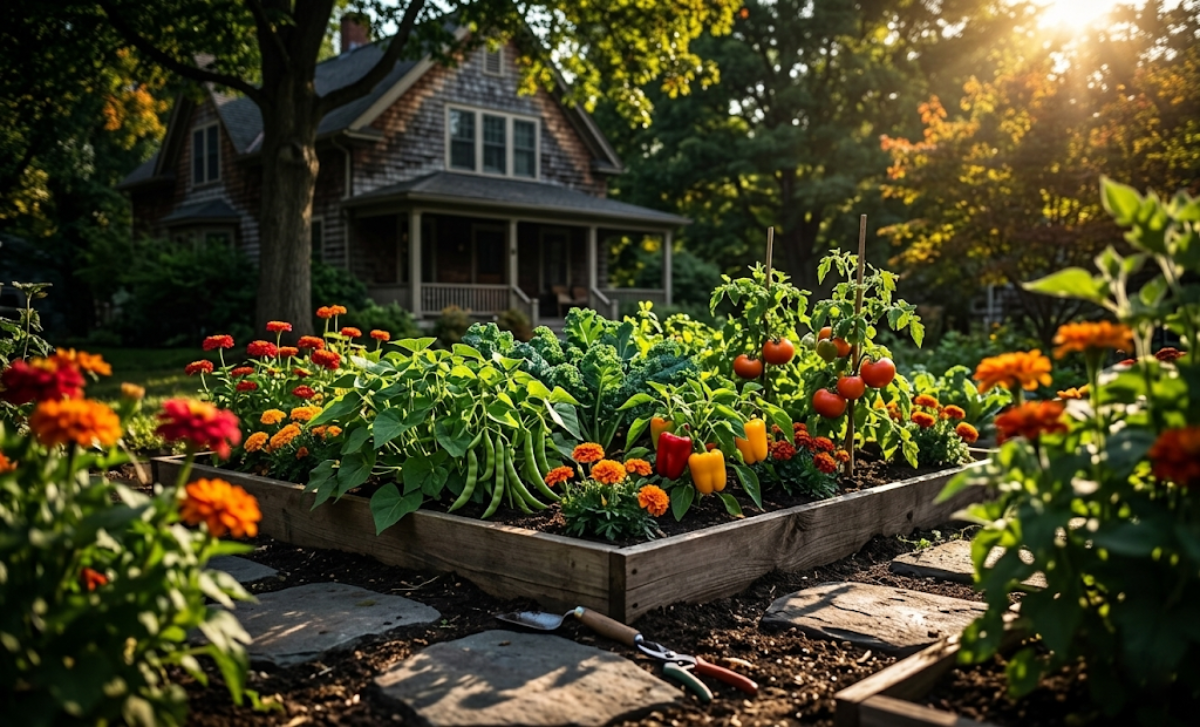
Ultimate Gardening Guide for Buffalo, NY: Seasonal Tips
Explore seasonal gardening tips for Buffalo, NY homeowners. From spring planting and summer maintenance to fall preparation and winter protection, learn practical strategies to keep your garden healthy, colorful, and productive year-round.
Continue Reading →Garden Center Services Beyond Plant Sales
A good local garden shop is more than a place to pick up flats of petunias. Services worth knowing about include soil testing and amendment recommendations, landscape design consultations, bulk mulch and compost delivery, and seasonal planting guidance timed to local conditions.
Some operations also offer planting services for customers who want the right plant in the right spot but don’t want to dig it themselves. That’s worth asking about, especially for larger shrubs and trees where improper planting depth causes failure years down the road. Don’t underestimate the value of a staff member who can tell you, straight up, whether what you’re planning will work on your property or not.
Tips for Maintaining a Beautiful Garden Year-Round
Maintenance isn’t complicated. Most gardens fail from misdirected effort; people water when they should be pruning or fertilise when they should be dividing.
A simple seasonal rhythm works for most Clarence properties: spring soil prep and planting, midsummer deadheading and pest monitoring, late summer division of overcrowded perennials, and fall mulching to protect root systems through Western New York’s freeze-thaw cycles.
Consistent light mulching beats one heavy application. Two inches covers, three inches suppresses weeds, four or more inches starts holding moisture in a way that invites crown rot. Pull mulch back slightly from stems and crowns on all plants.
Come into KD Nursery with a photo of your problem area. In 20 years of working with these landscapes, a photo tells more than a description every time, and you’ll walk out with a plan, not just a product.
FAQs
What makes a local garden center better than a big-box store for plants in Clarence, NY?
Local garden centers stock plants hardened to Western New York’s specific climate and soil conditions. Staff can give region-specific advice you won’t get from a chain. Plants also tend to be fresher and better suited to Zone 6a growing conditions.
When is the best time to plant annuals in Clarence, NY?
After Mother’s Day is the safe window, typically mid-May, once the frost risk drops significantly. Planting too early in April risks cold damage. Erie County frost dates push later than many homeowners expect, especially in low-lying or shaded areas.
How do I know if a plant from a garden store is healthy?
Check roots first; firm and light-colored is good, brown and mushy is not. Look for buds over open flowers. Inspect leaf undersides for pests. Avoid plants with yellowing lower leaves or stem damage, which signal stress from overwatering or disease.
Are native plants actually low-maintenance in Western New York?
Yes, once established. Native plants like coneflower, black-eyed Susan, and wild columbine are adapted to Erie County soils and rainfall patterns. They rarely need supplemental fertilizer, handle summer heat, and come back reliably each season without extra inputs.
What gardening supplies should I have on hand before planting season?
At minimum: quality compost, a pH testing kit, mulch, slow-release fertilizer, and sharp hand pruners. Western NY clay soils need regular organic amendment. A simple soil test each spring tells you exactly what adjustments are needed before you plant anything.
Can I get landscape design advice at a garden center in Clarence?
Many local garden centers, including KD Nursery, offer consultations and guidance beyond basic plant sales. Bring photos of your property and describe sun exposure, drainage, and existing plants. Good local advice can save you from costly replanting mistakes down the road.
How much mulch should I apply around my plants?
Two to three inches is the standard range for most beds. More than three inches can hold excess moisture at the crown, which invites rot. Keep mulch pulled slightly away from plant stems. Refresh annually rather than piling on fresh layers over existing decomposed material.
Searching for a garden center near me?
Stop into KD Nursery and talk to someone who knows this area. No pressure, no sales pitch, just straight answers for your specific property. That’s how we’ve done it from the start, and it’s not changing.