The combination of lake-effect snow off Erie, freeze-thaw cycles that crack soil and heave roots, and road salt drifting into front yards makes landscaping for Clarence winters an actual task worth thinking through before the first hard freeze. Most of the damage people see in spring was preventable.
Why Winter Landscaping Matters in Clarence, NY
Clarence sits in Erie County, Zone 6a. Temperatures regularly drop below zero in January, and the lake-effect snow totals are not small. We’re talking heavy, wet accumulation that sits on branches and bends or breaks them, followed by ice events that seal the damage in place.
Properties along Transit Road and out toward Harris Hill take the wind too. An exposed yard with no preparation often looks stripped and rough by March. Gardens, hedgerows, young trees, and lawn edges all show the wear.
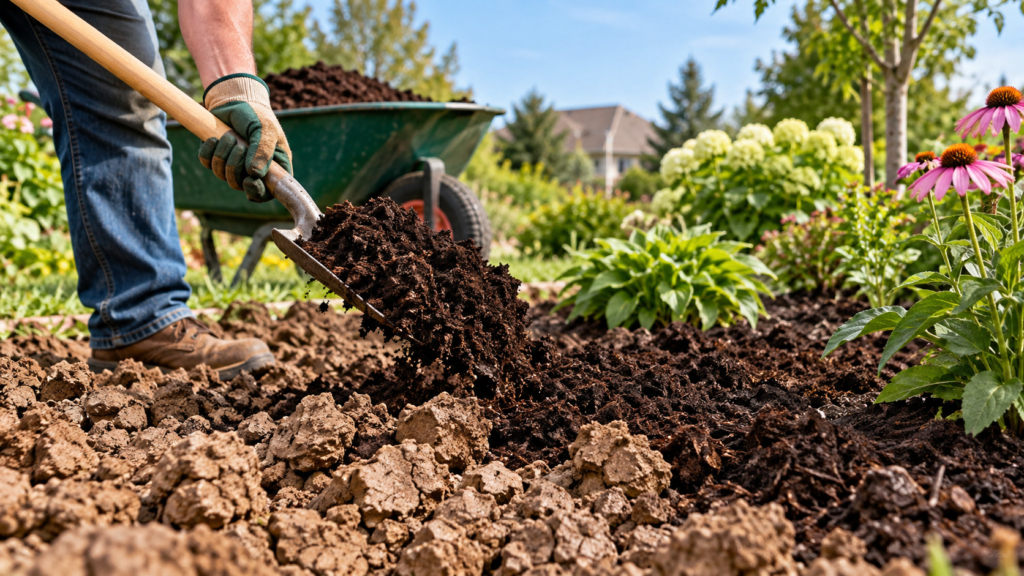
The other thing that makes this area specific is the clay soil common across Erie County. Winter garden care in clay soil is different from sandy or loam soil. Clay holds moisture, which means freeze-thaw cycles do more structural damage underground than they would in better-draining soil. Roots that have room to move in loose soil get compressed and heaved in clay.
Common Types of Snow and Ice Damage to Lawns and Plants
Snow mold is one of the more common problems in Western New York. It forms under heavy snowpack on lawns that weren’t cleaned up properly in the fall. When the snow finally lifts, you find matted gray or pink patches where fungal growth ran through the grass.
Desiccation is another one. Broadleaf evergreens and needle-leaf shrubs lose moisture through their leaves all winter, and when the ground is frozen, they can’t pull water up to replace it. Leaves are brown at the tips.
A one-inch coating of ice on a branch can weigh several times the branch’s own weight. Protecting your yard in winter starts with understanding where your trees and shrubs are structurally vulnerable before a storm reveals it for you.
Vole tunneling under snow is also worth mentioning. Voles run surface tunnels under snow cover and feed on grass crowns and tree root collars.
How to Protect Trees and Shrubs During Heavy Snowfall
The trees that need attention are younger plantings, columnar or upright evergreens, and anything that got planted in the last two or three years and hasn’t had time to root deep.
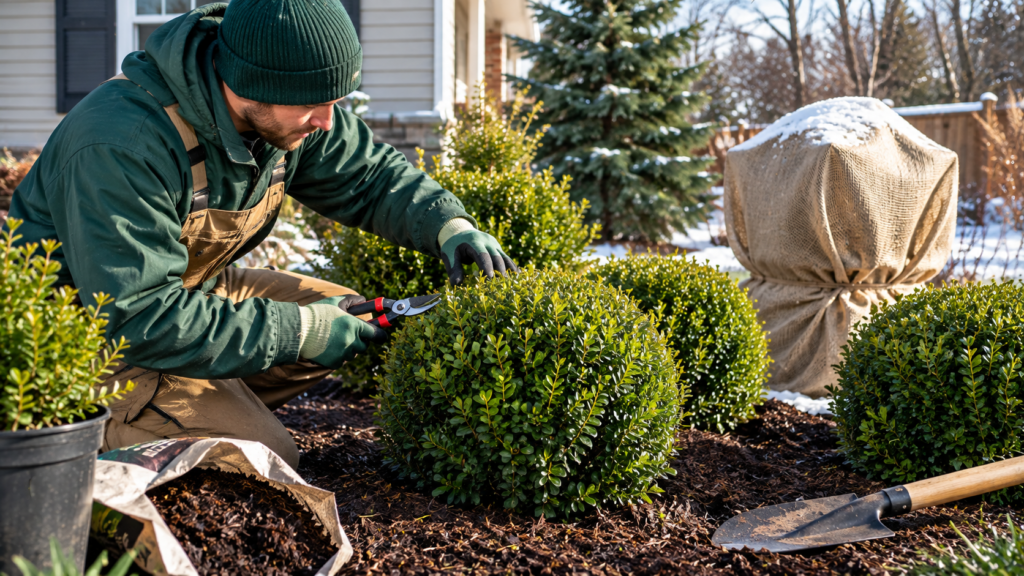
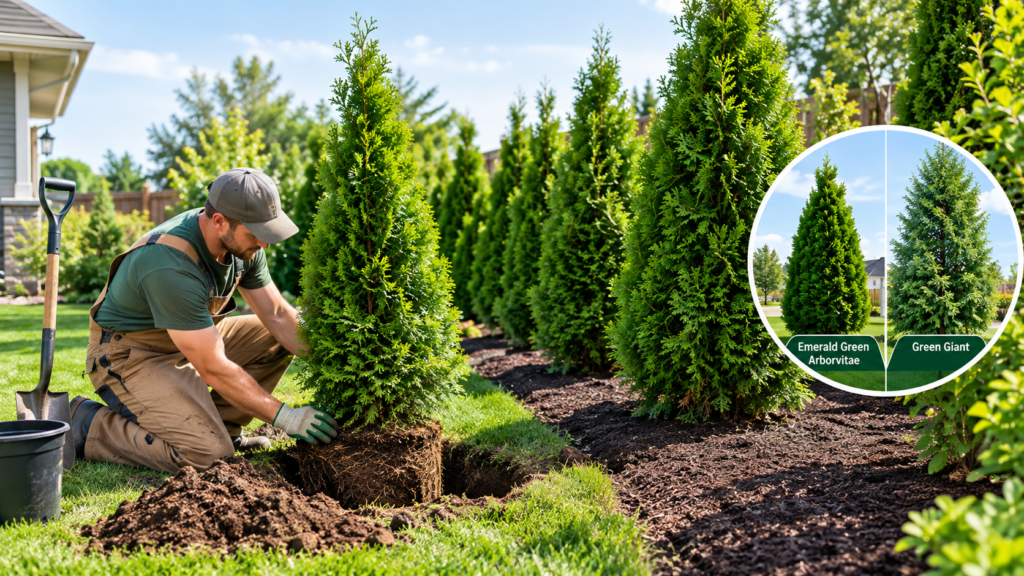
Winter landscaping tips in Clarence homeowners hear most often: wrap your arborvitae. That’s good advice. Arborvitae hold snow in their upright branches, and the weight spreads them open or snaps the leader. Loosely tying the branches together with twine before the season starts keeps the shape intact.
For young trees, trunk wraps help with two things: sunscald and rodent damage. Sunscald happens when winter sun heats the south-facing bark during the day, and the temperature crashes at night, cracking the bark. A light-colored wrap reflects the sun and keeps the temperature more stable.
Snow-resistant plants in NY are a phrase that mostly means native and adapted species. Red osier dogwood, viburnum, winterberry holly, and most native conifers handle heavy snow without much drama. If you’re replanting anything this fall, those are worth considering for exposed spots.
When snow is actively accumulating on shrubs, brush it off upward from underneath, not downward from the top. Pushing it down compresses the branches in the wrong direction. Ice-coated branches are a different situation. Don’t try to shake them loose. They’ll snap. Let them melt.
Winter Lawn Care Tips Before the First Snow
What you do in late October matters more than most people think.
-Keep mowing until the grass stops growing, which in Clarence usually means into November. Landscaping for Clarence winters prep starts with cutting the lawn to about two and a half inches before the ground freezes. Grass that goes into winter too long mats under snow and traps moisture, which is how snow mold gets started.
-Fall fertilization is one of the highest-return things you can do for a lawn. A slow-release nitrogen application in late October feeds the root system through early winter and gives the grass a head start on spring green-up. Don’t fertilize after the ground freezes. It won’t absorb, and it’ll run off.
-Remove leaves before the first snow if you can. A thick leaf layer on the lawn acts like a wet blanket. It suffocates the grass underneath and creates ideal conditions for fungal issues. Mulching leaves back into the lawn is fine for light cover. Heavy accumulation needs to come off.
-Aerate if the soil is compacted, but aim for September or early October so the core holes have time to settle before the ground locks up. Late aeration on clay soil can leave channels that ice and damage root zones.
Preventing Salt and Ice Damage to Your Landscape
Road salt is one of the more underestimated sources of landscape damage in Erie County. Properties along plowed roads and driveways absorb a lot of sodium chloride over a typical winter. It accumulates in the soil, draws moisture away from roots, and shows up as marginal leaf burn, twig dieback, and, in bad cases, plant death.
The most direct thing you can do is create a buffer. Salt-tolerant plantings along the road edge, a low berm of mulch, or even just keeping salt-sensitive plants set back from the curb can reduce exposure significantly.
For sidewalks and driveways, calcium chloride or potassium chloride work at lower temperatures than rock salt and are less corrosive to plant material. Sand and grit are even safer for adjacent beds and lawn edges. Winter garden care in Clarence often comes down to what you put down on your own walkways, not just what blows in from the road.
If plants near your driveway or sidewalk consistently look rough every spring and then recover through summer, salt is probably the issue. A soil test in early spring can confirm whether sodium levels are elevated.
Flush salt-affected areas with deep watering in early spring when the ground thaws. One or two good soaks help push sodium down through the root zone before new growth starts.
Best Mulch and Ground Covers for Winter Protection
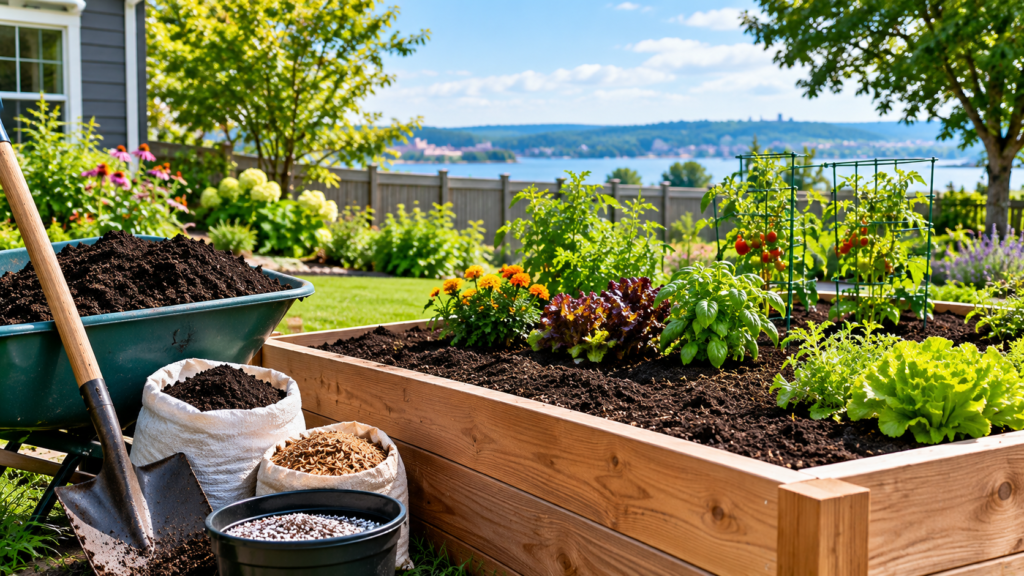
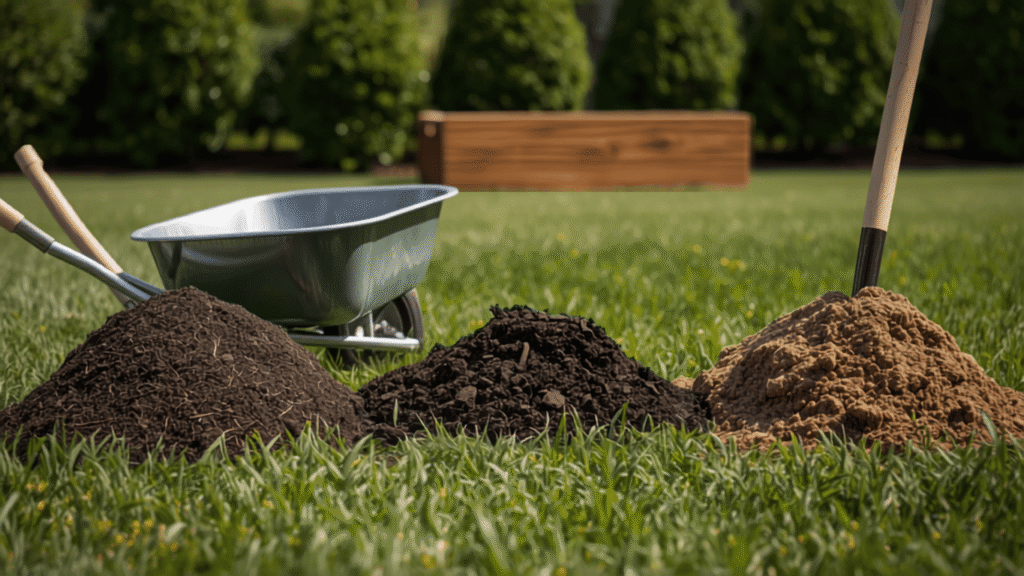
Mulch does two things in winter. It insulates the soil, moderating temperature swings that heave roots, and it retains moisture that keeps root zones from drying out during the cold months.
Two to three inches is the practical range for established beds in Clarence. Shredded hardwood bark or wood chips work well. They break down slowly and add organic matter to Erie County’s clay-heavy soil over time. Avoid fine mulches in areas where you get standing water. They compact and seal.
Apply mulch in late October or early November, after the ground has begun to cool but before it freezes solid. The goal is to trap the existing soil temperature, not insulate warm soil that will then attract rodents looking for a warm shelter.
Landscaping for Clarence winters also benefits from ground cover plants in exposed areas. Creeping juniper, pachysandra, and native wild ginger all provide low-maintenance coverage that protects soil from erosion and temperature swings. They fill in gaps where lawn grass struggles under trees or on slopes.
Leave perennial seed heads standing through winter if you can. They provide structure and food for birds, and the dried stems help trap and hold snow as insulation around the root crowns below.
When to Remove Snow from Your Landscape Safely
Not every snowfall requires action. Light, dry powder that blows off on its own isn’t usually a problem. The situations that need attention are heavy wet snow sitting on arborvitae, columnar evergreens, or young ornamental trees for more than a day, and any accumulation that’s visibly bending or stressing a branch.
In winter landscaping timing matters. Remove snow when it’s still fresh and loose. Waiting until it partially melts and refreezes turns a manageable job into an impossible one.
Use a broom or your arm to sweep upward from below the branch. Don’t use a rake on living shrubs. The tines catch and break small branches. For anything over eight or ten feet, leave it alone unless the stress is clearly visible and the weather window gives you time to work safely.
Rooftop snow sliding onto landscape beds is worth thinking about before the season. If you have a hedge or border planting under a roof valley or a south-facing eave, expect that area to take heavy, repeated loads. Either move what you can, or accept that plants there need to be tough or temporary.
px; font-weight: 800; line-height: 1.3; }@media(max-width: 768px) { .blog-grid { grid-template-columns: 1fr; }.blog-content h3 { font-size: 24px; }.blog-content { padding: 22px; }.section-title { font-size: 30px; } }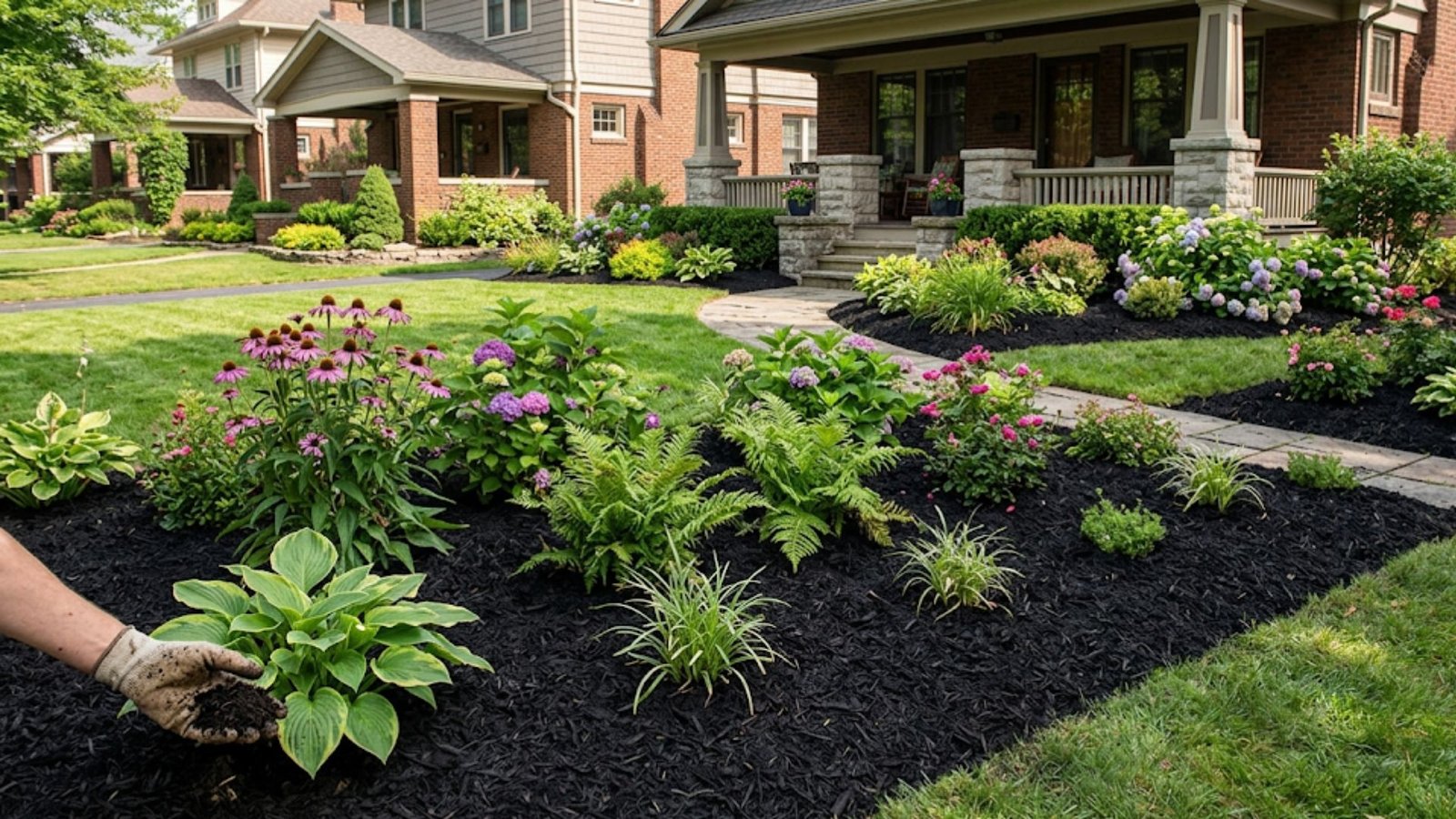
Top Benefits of Black Wood Mulch for Buffalo Gardens
Learn how black wood mulch improves moisture retention, reduces weeds, protects plant roots, and adds long-lasting curb appeal to Buffalo landscapes. Discover why it remains a favorite choice for homeowners seeking healthy, attractive garden beds throughout every season.
Continue Reading →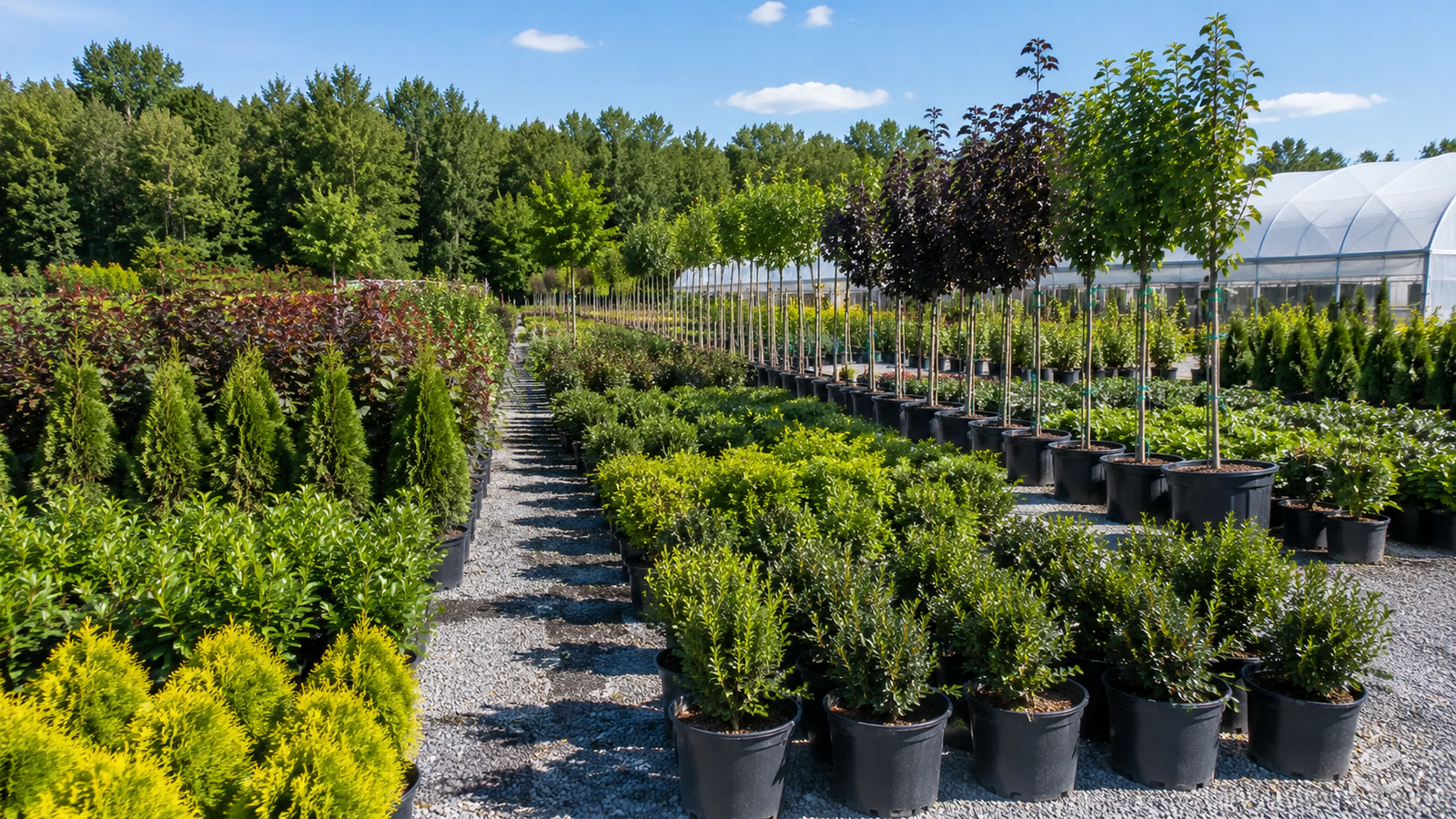
Wholesale Nursery in Clarence, NY: Bulk Plants & Savings
Explore the advantages of purchasing trees, shrubs, perennials, mulch, and landscaping materials in bulk. Find cost-saving options, premium-quality plants, and expert guidance for residential and commercial landscaping projects throughout Clarence and nearby communities.
Continue Reading →Professional Winter Landscaping Services in Clarence
Most winter prep is easy to handle with an afternoon and basic materials, but scale or complexity often makes professional help worth it.
KD Nursery works with Clarence homeowners on seasonal prep, including mulching, plant protection, and property staging before the first hard freeze. It makes sense to hand off large-scale mulching, wrapping, and staking multiple trees or hedges, and soil remediation after persistent salt damage.
If your trees or large shrubs show repeat dieback, a pre-season walk-through helps identify structural issues versus poor preparation. Sometimes a plant is simply in the wrong spot. Discussing snow-resistant plants beats fighting the same problems every spring.
Based in Clarence, we know which areas get the worst lake-effect loading, where salt drift runs heaviest, and which plants thrive in Erie County conditions.
Properties that look great in April are the ones thought through in October. Get the mulch down, tie the arborvitae, and knock snow off before it ices. It’s just easier to do before the ground freezes.
If you want a second set of eyes on your trees and landscape before the first lake-effect storm hits, reach out to KD Nursery today to schedule a winter prep walkthrough.
FAQs
When should I start preparing my yard for winter in Clarence?
Late October through mid-November is the window. Get mulch down before the ground freezes, wrap any borderline-hardy shrubs, and finish the last lawn feeding before temps drop below 50 consistently. Waiting until December is usually too late.
Are there plants that can actually handle Western New York winters without a lot of protection?
Yes. Native species like red osier dogwood, serviceberry, and American arborvitae handle Erie County winters with almost no intervention. Most ornamental grasses are fine, too. The plants that struggle are borderline-hardy imports rated for Zone 6b or warmer.
How much mulch do I actually need for winter protection?
Two to three inches is enough for most established plants. More than four inches can trap moisture against the crown and cause rot. Keep mulch a few inches back from tree trunks and shrub bases. Piling it against the bark invites problems through the thaw.