
Every spring across Erie County, we see the same thing.
A homeowner spends a weekend planting trees from a big-box store instead of a trusted tree nursery in Clarence, NY, only to watch them decline by mid-July. Western New York winters are brutal, and our heavy clay soils do not forgive poor plant choices or weak root systems. If you want a landscape that survives the next decade, you have to start with high-quality stock from a reputable local source.
Finding a dedicated tree nursery that Clarence, NY, homeowners can depend on is the single best investment you can make for your property.
Who you buy from shows up in how your trees look three summers later.
Why Buying from a Reputable Tree Nursery Matters
The temptation to buy cheap plants from a mass retailer is real, but it is a classic trap.
Those national chains buy their inventory in bulk from southern or midwestern climates. These trees are shocked the moment they experience their first real autumn wind off Lake Erie. When you buy from a specialized tree nursery near me, Clarence, you are purchasing plants that have been acclimated to our specific hardiness zone.
Big-box stores often employ seasonal workers who do not know a maple from an oak, let alone how to care for them. Unlicensed operations and roadside vendors often sell stressed, mislabeled, or disease-prone stock.
If you bring those plants home, you risk introducing pests to your existing landscape. A professional nursery focuses on long-term plant health, giving your new investment an actual fighting chance.
Signs of a Healthy Tree Before Purchase
You do not need a degree in forestry to spot a good tree, but you do need to know where to look. Most people just look at the height or how green the leaves are, but that is a mistake. The real story of a tree is found at the base and on the branches.
- The Root Flare: The trunk should widen out where it meets the soil line. If the trunk looks like a telephone pole sticking straight out of the dirt, it is planted too deeply in the pot, which suffocates the bark.
- Branch Structure: Look for a strong, central leader, one main trunk growing straight up. Avoid trees with tight “V-shaped” crotches, as these split easily during heavy winter ice storms.
- Root Condition: Gently tip a container tree out of its pot if possible. You want to see fibrous white root tips, not a tangled, woody bird’s nest circling the inside of the plastic. Circling roots will eventually strangle the tree.
At KD Nursery, we keep our stock meticulously pruned and monitored so you never have to worry about bringing home a structural nightmare.
Best Tree Species for Clarence, NY Properties
Our local soils range from heavy, wet clay to shallow limestone bedrock, depending on which side of town you live on. Because of this, selecting native trees for NY is your safest bet for long-term survival. Native species have spent thousands of years adapting to our specific weather extremes and soil profiles.
For Clarence, plant strong natives like Swamp White Oak or Sugar Maple, which easily withstand brutal winter ice loads. If you have shallow limestone bedrock or a tight patio layout, smaller ornamental varieties like the pink-blooming Eastern Redbud or tough Downy Serviceberry offer excellent seasonal color without threatening your roof.
Avoid planting invasive or weak-wooded species like the Bradford Pear or Silver Maple. They grow fast, but they break apart completely during our typical late-October windstorms. Stick to tested, regional varieties that can handle the local climate.
Container-Grown vs. Bare-Root Trees Explained
Homeowners often ask whether they should buy trees in plastic pots, balled-and-burlapped (B&B), or bare-root. Each option has its place depending on your budget and the time of year.
Container-grown trees offer the most flexibility. You can plant them almost anytime from spring through autumn because their root systems are completely intact inside the potting soil. The downside is that they can become root-bound quickly if left in the container too long.
Bare-root trees are dug up while dormant, with all soil washed from the roots. They are lightweight, highly affordable, and often establish a natural root system faster than container trees.
However, you can only plant them in the early spring, and they require immediate care before the roots dry out. If you are looking for an affordable tree nursery solution for a large property line, a mix of smaller container stock or spring bare-root options is often the smartest route.
Questions to Ask Before Buying Trees
Before you hand over your credit card, strike up a conversation with the staff. A legitimate nursery worker will gladly answer your questions, while someone at a generic retail center will likely shrug.
“Where was this tree grown?”
If they brought it up from a southern state last week, walk away. You want stock that has spent at least one full winter in a northern climate.
Ask about the specific cultivar’s mature height and spread. That tiny sapling might look great three feet from your foundation today, but it won’t look so good when it starts lifting your concrete walkway in fifteen years. Finally, ask about their health guarantees. Reputable local businesses stand behind their stock because they know they have cared for it correctly.
Proper Tree Planting Techniques for Long-Term Success
The old rule of thumb for planting still stands: dig a hole twice as wide as the root ball, but no deeper.
Never throw handfuls of chemical fertilizer directly into the hole; this burns the tender new roots. Use the native soil you dug out to backfill the space. If you amend the hole too heavily with rich peat moss, the roots will stay trapped in that comfortable hole instead of spreading out into your yard’s natural soil.
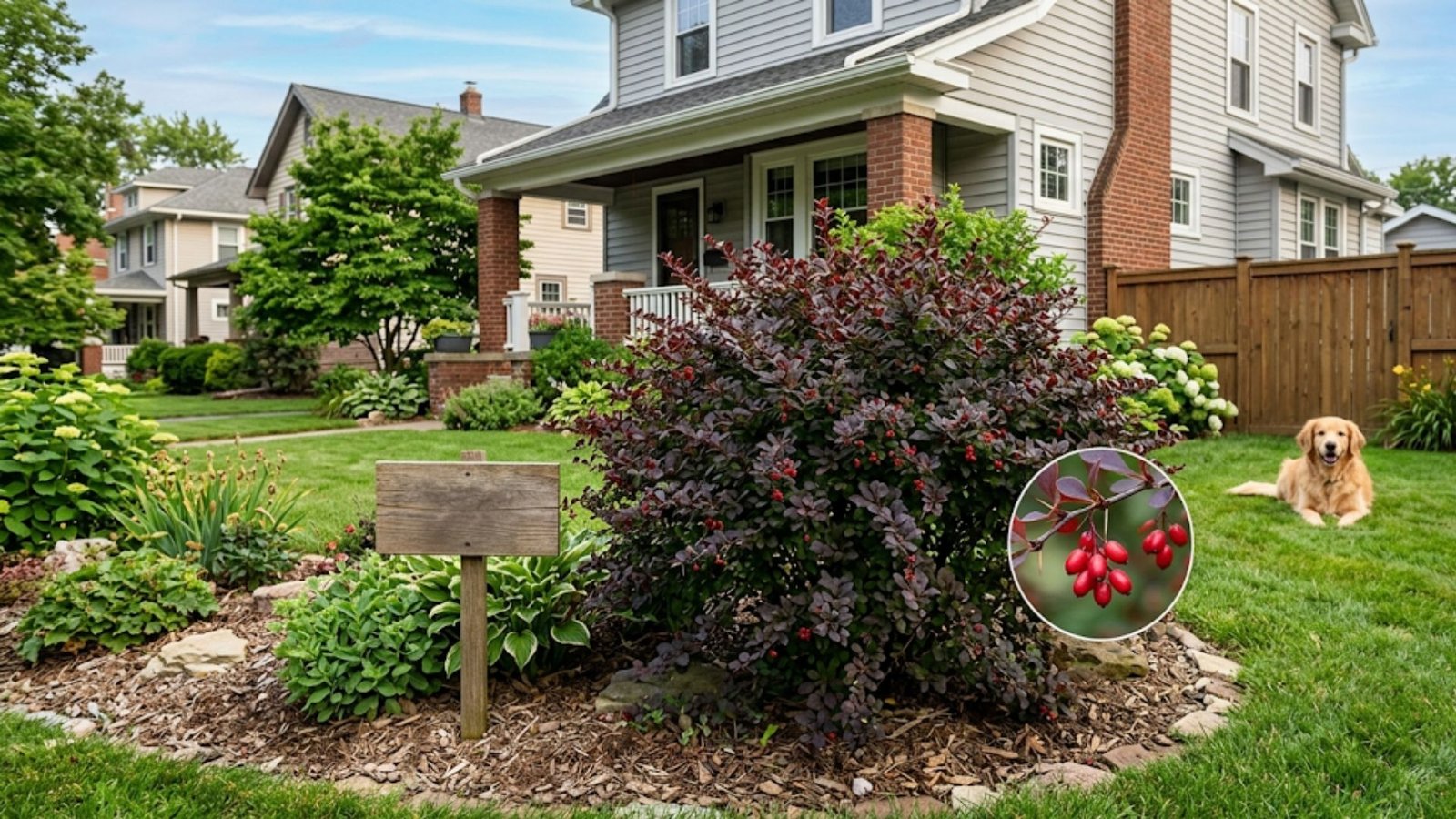
Are Barberry Shrubs Good for Buffalo Yards?
Discover whether barberry shrubs are a good choice for Buffalo landscapes. Learn about their durability, seasonal color, low-maintenance benefits, and suitability for Western New York growing conditions.
Continue Reading →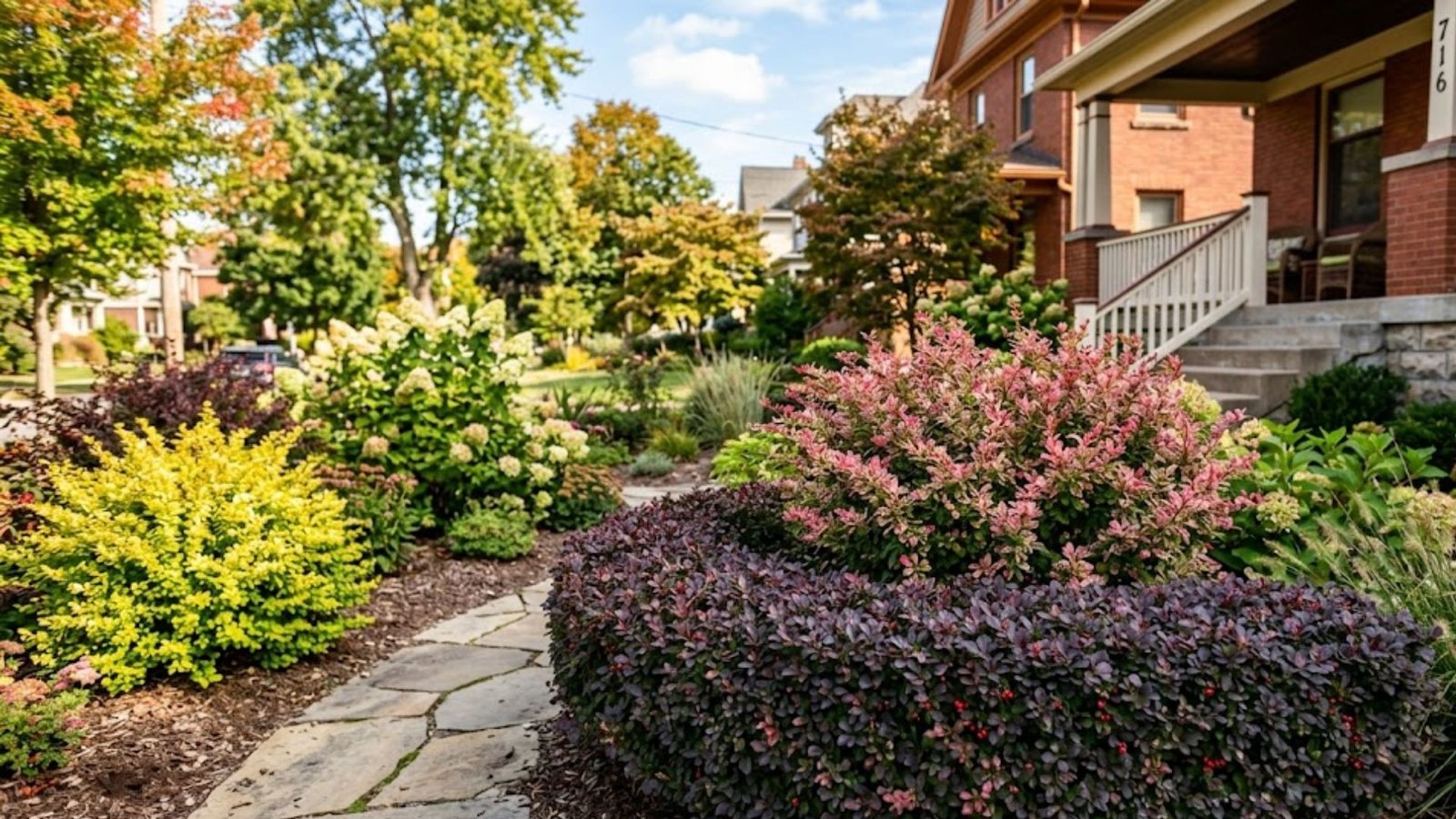
Expert Guide to Choosing the Best Barberry Bush for Buffalo NY
Learn how to choose the best barberry bush for your Buffalo property. Explore popular varieties, growth habits, color options, and expert planting tips for lasting landscape beauty.
Continue Reading →Common Tree Selection Mistakes to Avoid
The single biggest mistake we see in Clarence yards is planting a tree in the wrong spot. Homeowners often fall in love with a species at the nursery without analyzing their yard first. Putting an oak directly underneath overhead power lines guarantees the utility company will hack it to pieces down the road.
Another common issue is ignoring drainage. If you have a low spot where water pools for days after a heavy rain, planting a species that hates wet feet, like a Flowering Dogwood, is a death sentence. Take a day to map out your yard’s sun patterns, wind exposure, and wet zones before you go out to buy trees that Clarence, NY properties can actually support.
Tree Care Tips After Planting
Once the tree is in the ground, the real work begins. New trees do not need a little water every single day; they need a deep, thorough soaking once or twice a week. Run a garden hose at a slow trickle at the base of the tree for about twenty minutes. This encourages the roots to grow deep into the ground rather than staying right at the surface.
Keep lawnmowers and weed whackers far away from the trunk. A single nick from a string trimmer can slice through the thin bark of a young tree, cutting off its nutrient supply line. Skip the tree stakes unless you live in an incredibly windy area. Allowing the trunk to flex naturally in the breeze actually stimulates it to grow thicker and stronger.ons into weather windows that complicate concrete curing.
FAQs
When is the best time of year to plant trees in Clarence?
Early spring, right after the ground thaws, and early autumn are the absolute best windows. The mild temperatures allow roots to establish themselves without the stress of summer heat or frozen winter soil.
How much water does a newly planted tree actually need?
As a general rule, a new tree needs about 10 gallons of water per week for every inch of trunk diameter. During hot, dry July weeks, you may need to double that amount to keep the roots moist.
Should I wrap the trunks of young trees for the winter?
Yes, wrapping thin-barked trees like maples or fruit trees in late November protects them from frost cracks and hungry deer. Just remember to take the wrap off in early spring so moisture does not get trapped.
Why are the leaves on my newly planted tree turning yellow?
This is usually a sign of transplant shock or overwatering. If the soil feels like soup, back off on the watering. If you just bought the tree from KD Nursery, give it a couple of weeks to adjust.
How far away from my house should I plant a shade tree?
Large shade trees should be planted at least 15 to 20 feet away from your home’s foundation. This prevents future root interference with your foundation and keeps large limbs from damaging your gutters or roof.
Do I need to add topsoil or fertilizer when planting a new tree?
No, it is best to use the native soil that came out of the hole. Forcing the tree to adapt immediately to your yard’s natural soil encourages a wider, stronger root system that can survive droughts better.
Can I plant a native tree in heavy Western New York clay?
Absolutely, provided you choose the right species. Trees like the Swamp White Oak or Red Maple handle heavy clay well. Just ensure you plant them slightly high to prevent the roots from suffocating.
Choosing the right tree nursery in Clarence, NY, is the first step toward building a landscape that survives Western New York winters and grows stronger every year.
Contact KD Nursery today for all your landscaping needs!